
Oh, What a Knight
1928
No user ratings available yet
Representation score: 1.3 out of 10
Representation Score
Limited
1925
Director
Walt Disney
Runtime
7 minutes
Average Rating
No ratings yetNew Showbiz Analysis
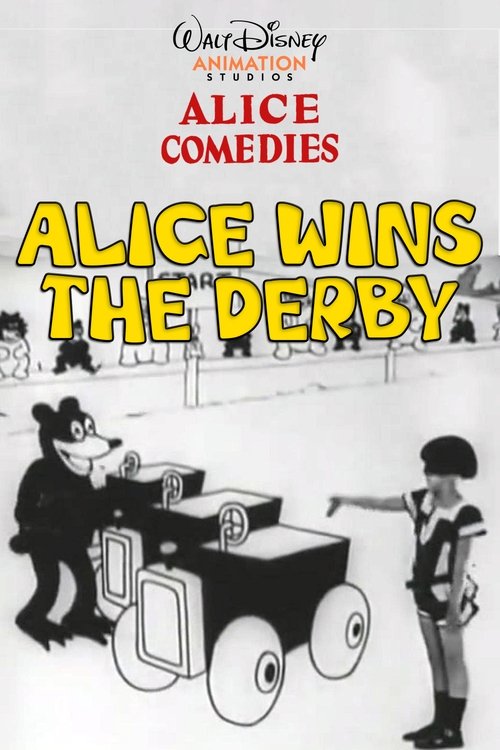
Alice Wins the Derby is a product of its era, serving primarily as a vehicle for physical comedy. Despite its limitations, it offers a notable example of women's ability to drive the story by allowing Alice to defeat a male competitor through direct action. The film reinforces traditional competitive structures and Western storytelling values. It does not challenge broader social or cultural hierarchies, focusing instead on individual merit and physical prowess. Ultimately, the work is limited by the demographic norms of early 20th-century animation, lacking racial diversity and meaningful representation of disability or LGBTQ+ identities.
Category Breakdown
The film does not depict any non-straight or non-cisgender identities. It focuses on traditional competitive dynamics within a slapstick framework.
Alice plays a significant role in driving the plot, showing physical competence and tactical skills to overcome a male opponent.
The cast appears homogeneous, with no evidence of non-white or non-Anglo-Saxon characters. The production reflects the demographics typical of 1920s animation.
The story follows conventional Western narrative structures focused on individual triumph. It does not engage with broader systemic critiques or deconstruct Western institutions.
The film does not feature any characters with visible or invisible disabilities. Physical comedy is used for slapstick humor without addressing neurodivergence or impairment.
Present on Screen
Limited or Absent
Official Synopsis
Alice, Julius, and one other character are in a combined auto/horse race. Julius gets off to a bad start when his car takes off, without him, in the wrong direction; it takes him a while to get it straightened out. Alice and the bad guy battle a bit for the lead, which Alice takes; they pass a detour, which the bad guy changes the sign for. Julius, taking the bad road, eventually drives up a cliff and, after a mighty struggle at the top, makes it, in third place, to the changeover. Alice and the bad guy ride off on horses; Julius has a wind-up wooden horse. Julius' horse keeps breaking down, eventually losing the back legs (Julius uses an empty thought balloon to hold up the rear). Alice's horse jumps a fence, and won't continue. The bad guy looks like he'll win, but Alice makes a mighty leap and knocks him off to win the race
1928

1928

1928
1925
1926

1940
1940

1926
No reviews yet. Be the first to share your thoughts on this movie!
Use the rating form above to leave a star rating and optional review.