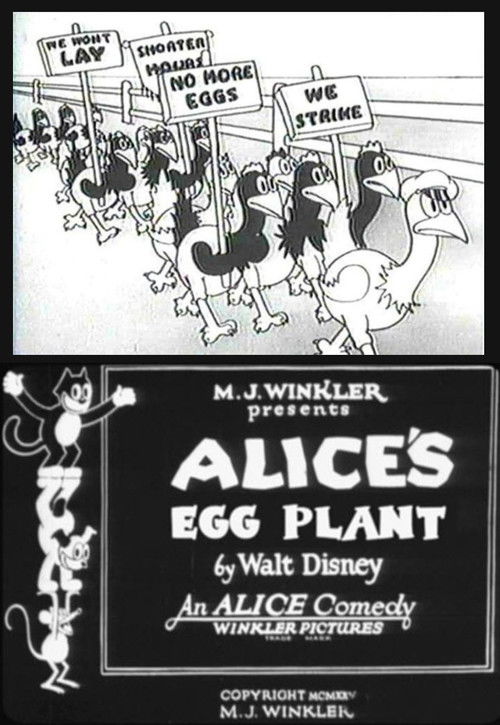
Alice's Egg Plant
1925
No user ratings available yet
Representation score: 1.6 out of 10

Representation Score
Minimal
1926
Director
Walt Disney
Runtime
7 minutes
Average Rating
No ratings yetNew Showbiz Analysis
Alice on the Farm is a product of its time, relying heavily on established 1920s animation clichés. The narrative structure is driven by a simple conflict between male characters, leaving the female protagonist in a passive role. The film lacks intentionality regarding varied identities or social disruption. It adheres to the homogeneous casting and traditional storytelling standards common to early American animation. Ultimately, the work functions as a conventional silent-era short that reinforces existing social hierarchies rather than challenging them.
Category Breakdown
The film does not include any representations of LGBTQ+ identities or same-sex relationships. The narrative revolves around a conventional kidnapping scenario that does not provide complexity for queer characters.
Alice is portrayed in a traditional damsel-in-distress role. Women's ability to drive the story is limited, while Julius and Pete, the male characters, have significant roles through their pursuit and confrontation.
The film lacks a diverse cast and does not feature any non-Anglo-Saxon characters. It reflects the homogeneous casting standards typical of the 1920s animation industry.
The story unfolds within a standard Western pastoral setting. It relies on traditional, morality-based storytelling without exploring diverse cultural or secular themes.
There is no evidence of characters with visible or invisible disabilities in this short film.
Present on Screen
Limited or Absent
Official Synopsis
While Julius is milking his cow, Pete kidnaps Alice. Julius gives chase, and winds up in a duel with Pete.
1925
1925
1925
1926
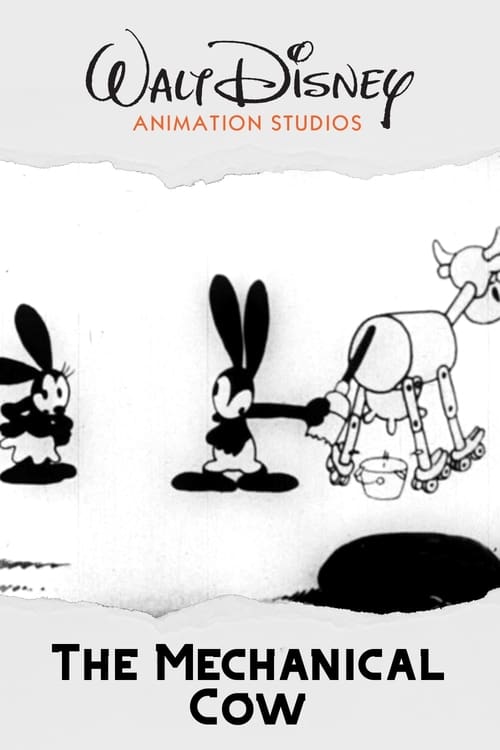
1927
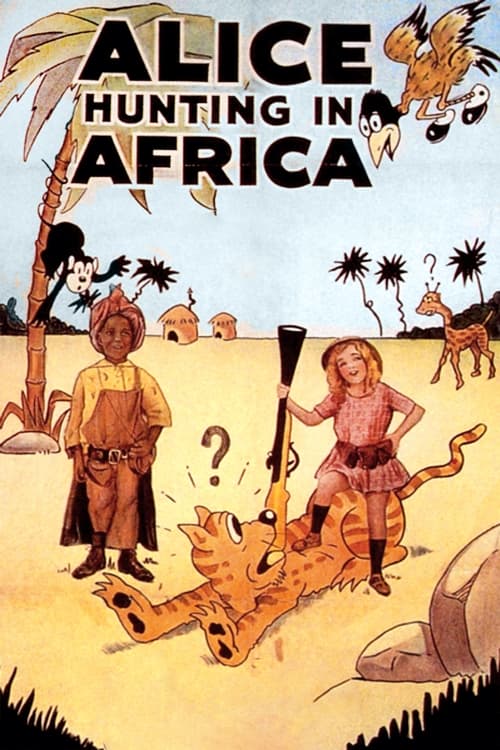
1924
1928
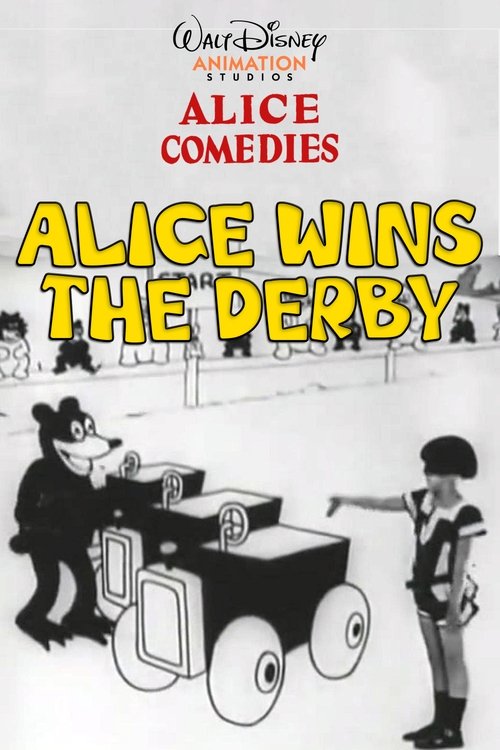
1925
No reviews yet. Be the first to share your thoughts on this movie!
Use the rating form above to leave a star rating and optional review.