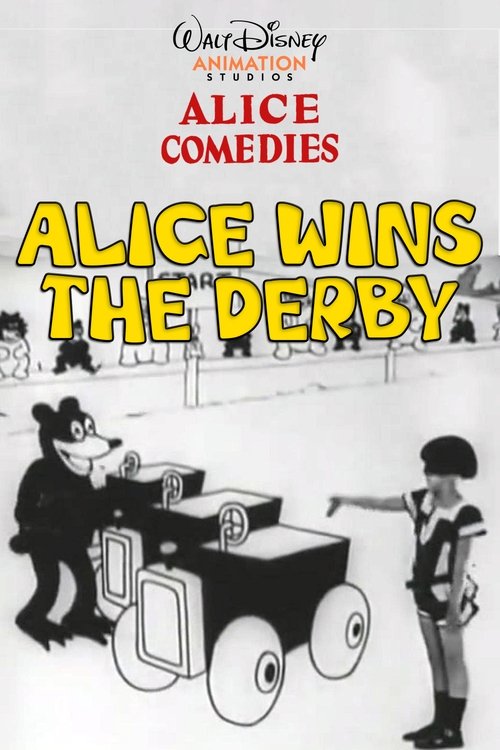
Alice Wins the Derby
1925
No user ratings available yet
Representation score: 2.1 out of 10

Representation Score
Limited
1940
ApprovedDirector
Joseph Barbera, William Hanna
Runtime
7 minutes
Average Rating
No ratings yetNew Showbiz Analysis
Gallopin' Gals presents a unique female-centric cast in a competitive setting, which contrasts with typical masculine-dominated sports narratives. Maggie's victory through persistence showcases her determination and competence. However, the film remains entrenched in traditional gender stereotypes and lacks any exploration of multi-layered themes or diverse casting. It upholds a conventional meritocratic storyline without addressing broader social issues.
Category Breakdown
The film does not include any LGBTQ+ characters or non-cisgender identities. The story revolves around a competitive sporting event featuring anthropomorphic animals.
The story focuses on female characters, breaking away from masculine sporting clichés. While some characters follow traditional feminine roles through gossip and fashion, Maggie stands out by demonstrating strength and determination to win.
There is no indication of racial or ethnic diversity among the characters. The use of New York accents highlights regional differences rather than ethnic representation.
The film adheres to a traditional Western perspective emphasizing individual achievement. It reinforces a classic meritocratic ideal without delving into diverse cultural or systemic issues.
Maggie's hay fever serves as a temporary obstacle used to increase tension in the plot. This portrayal treats disability mainly as a plot device rather than providing a deeper look into chronic illness.
Present on Screen
Limited or Absent
Official Synopsis
Time for the big horse race. We drop in on the fillies, who gossip in New York accents. That's followed by a pre-race fashion parade. In both of these, Maggie doesn't join in; she runs every year, but suffers from hay fever. The actual race is run, and Maggie is far back in the field. The other horses hear it's going to be a photo finish, though, and they all come to an abrupt stop and pose except Maggie, who keeps running and wins the race.
1925
1948
1939
1941

1933
1940
1933
1944
No reviews yet. Be the first to share your thoughts on this movie!
Use the rating form above to leave a star rating and optional review.