
Grave Robbers
1989
No user ratings available yet
Representation score: 2.8 out of 10
Representation Score
Limited
1985
RDirector
Rubén Galindo Jr.
Runtime
91 minutes
Average Rating
No ratings yetNew Showbiz Analysis
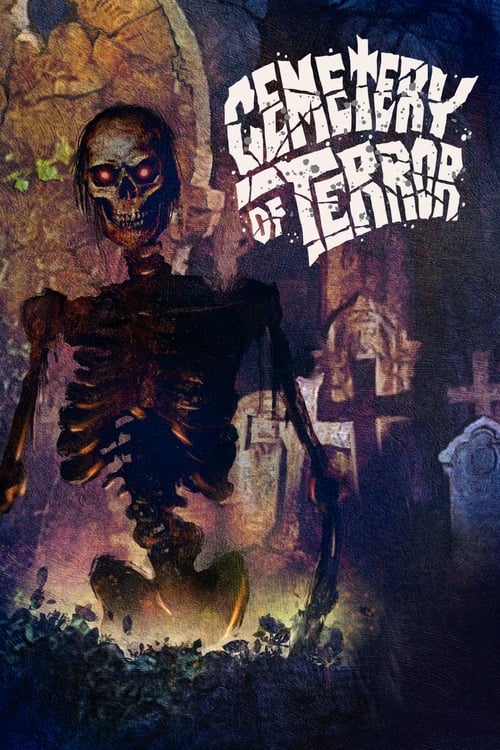
Cemetery of Terror is a classic 1980s horror film that emphasizes shock and suspense over social commentary. The narrative centers on youth rebellion and supernatural consequences, avoiding detailed character exploration. The film does not aim to represent diverse identities. It sticks to traditional horror conventions, making identity a secondary concern to the plot. Overall, the movie adheres to the typical norms of its time, without challenging established cinematic standards.
Category Breakdown
The film does not include any characters or themes related to LGBTQ+ identities. It follows a traditional storyline typical of mid-1980s horror.
The movie relies on classic horror stereotypes, such as the 'final girl' and aggressive male characters. It does not challenge traditional views of masculinity or femininity.
The film focuses on the plot involving rituals and does not showcase a diverse range of ethnicities. The story revolves around the main plot rather than individual identities.
Satanic rituals are used as a plot device to create fear and suspense. They serve as a conventional horror element rather than a critical look at religious practices.
There is no indication of characters with disabilities, either visible or invisible, in the film.
Present on Screen
Limited or Absent
Official Synopsis
On Halloween night, a group of bored teens decide to steal a corpse from the local morgue and take it to a nearby cemetery where they perform a Satanic ritual, unwittingly reviving a bloodthirsty serial killer.
1989
1964

1993
1980
1983
2003
1973
1973
No reviews yet. Be the first to share your thoughts on this movie!
Use the rating form above to leave a star rating and optional review.