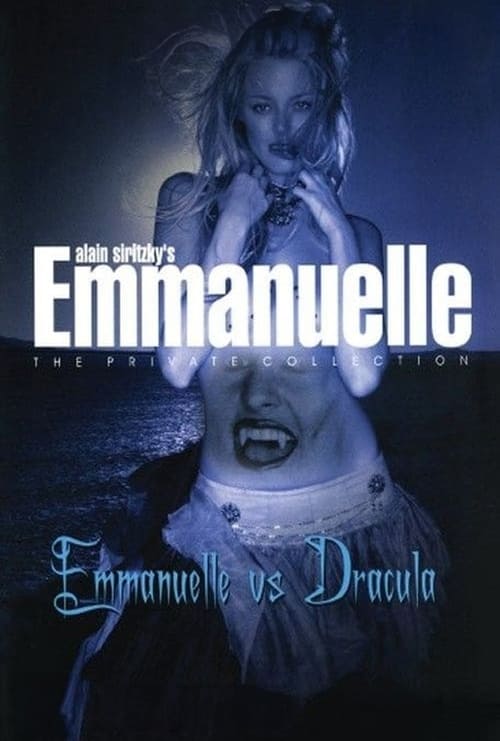
Emmanuelle - The Private Collection: Emmanuelle vs. Dracula
2004
No user ratings available yet
Diversity score: 4.7 out of 10

2014
Director
Richard Griffin
Runtime
81 minutes
Average Rating
No ratings yetSynopsis
As the star of his church choir, there's nothing that brings Billy more joy than the opportunity to sing for an audience. However, as his desire to perform grows, the stalwart youth finds that waiting until Sunday to get his fix just simply isn't enough. Going against the advice of his pastor, Billy follows his girlfriend into the world of secular entertainment, joining the local community theatre troupe. There, Billy is introduced to a whole new world, where his fellow thespians dabble in drugs, sexual perversion, and table-top game-play. Yet, for all the newly minted depravities Billy encounters, none could prepare him for the darkest truth of them all: The theatre group is actually a front for a Satanic cult intent on raising Dracula from the grave!
Overall Score
Fair
Category Breakdown
LGBTQ+ Representation
The film touches on themes of sexual perversion within a community theatre troupe. However, these elements are framed as moral transgressions rather than authentic character identities.
Gender Representation
The story follows a male protagonist's descent into secular life. It relies on traditional tropes of temptation and lacks evidence of subverting gender hierarchies.
Racial & Ethnic Diversity
The narrative provides no information regarding the racial or ethnic composition of the cast. Consequently, the diversity of the characters remains unestablished.
Religious & Cultural Diversity
The film challenges traditional religious authority by positioning the church as a restrictive force. It explores moral relativism through a dark, secular lens.
Disability Representation
There is no mention of characters with visible or invisible disabilities. The narrative does not address disability representation.
Strengths
Areas for Improvement
AI Analysis
The film functions primarily as a genre-driven horror piece that prioritizes the deconstruction of religious dogma over intersectional representation. Its highest marks come from its cultural critique of institutional authority, which provides a framework for moral relativism. However, the narrative often uses identity as a shorthand for depravity. Themes involving sexuality and secularism are framed through a lens of moral descent rather than agency, which limits the depth of its social representation. Ultimately, the film remains silent on several key demographic fronts, including race and disability, resulting in a score that reflects a narrow, trope-heavy focus.
2004
2007
1974
2008

2015
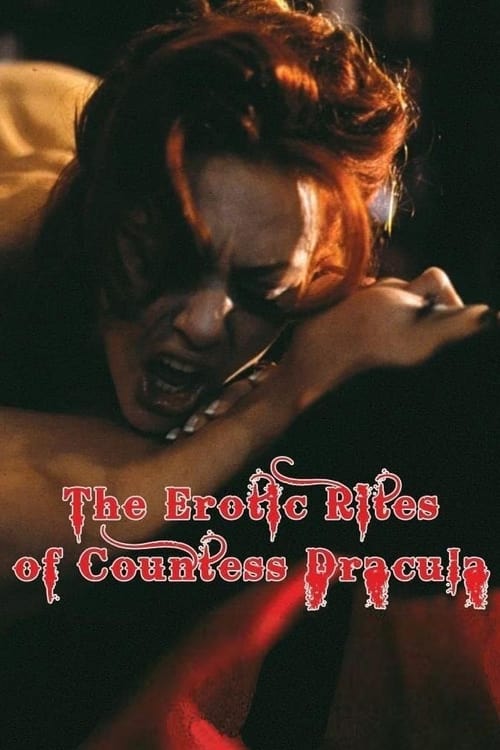
2001
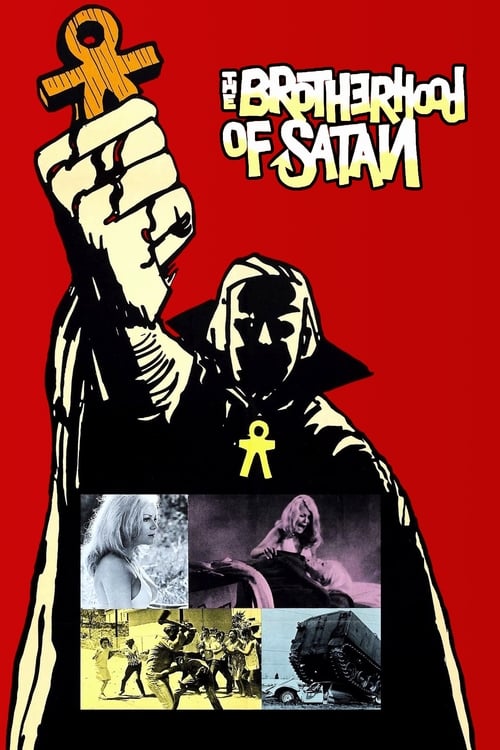
1971
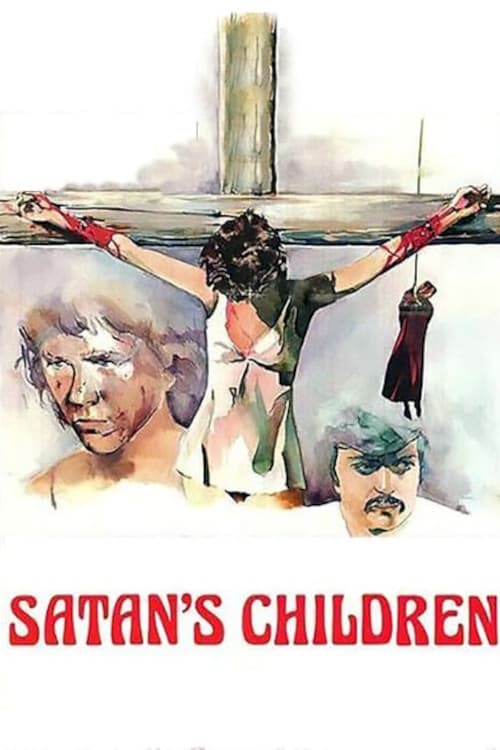
1975
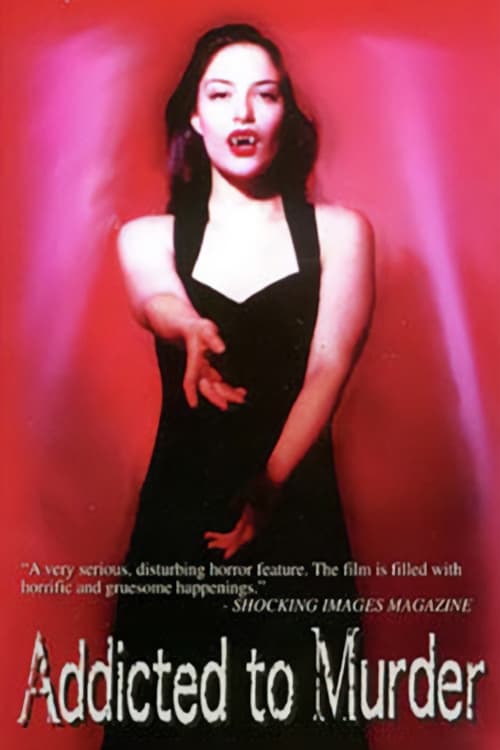
1995
2015
1989
2010
No reviews yet. Be the first to share your thoughts on this movie!
Use the rating form above to leave a star rating and optional review.