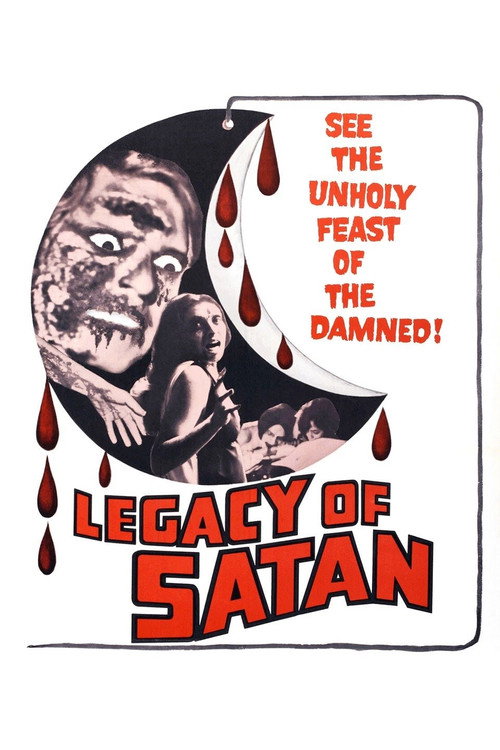
Legacy of Satan
1974
No user ratings available yet
Representation score: 3.3 out of 10
Representation Score
Limited
1975
RDirector
Joe Wiezycki
Runtime
87 minutes
Average Rating
No ratings yetNew Showbiz Analysis
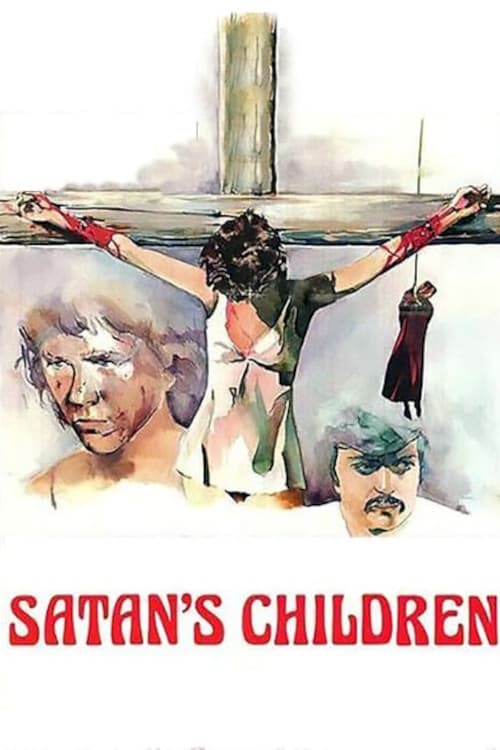
Satan's Children adheres closely to the conventions of 1970s exploitation horror. While the film incorporates LGBTQ+ elements and occult themes, these are used primarily as plot devices to facilitate a descent into violence. The narrative prioritizes genre-standard clichés of trauma and transgression over the development of complex, influential identities. Characters from underrepresented groups often serve to establish the protagonist's troubled state rather than existing as fully realized individuals. Overall, the film lacks depth in exploring diverse identities, focusing instead on the psychological instability of a single protagonist through traditional, often problematic, social and sexual tensions.
Category Breakdown
The film includes a gay bar and a lesbian cult member, but these characters primarily serve as catalysts for trauma and plot progression rather than offering nuanced roles. Their identities are not deeply explored.
Gendered conflicts, such as a stepsister's advances, drive the protagonist's isolation. The narrative relies on established archetypes of domestic tension to create psychological instability.
The film focuses on a traditional Western setting and a domestic crisis, without featuring a non-white or non-Anglo-Saxon majority cast.
The Satanic cult setting challenges conventional Christian morals, but this seems to be a function of horror genre clichés rather than a sophisticated critique of institutions.
There is no information available to evaluate the depiction of physical or neurodivergent disabilities in this film.
Present on Screen
Limited or Absent
Official Synopsis
Bobby is a troubled teen with problems. After deflecting his father’s insults and his stepsister’s come-ons, Bobby unknowingly ends up at a gay bar. Before long, he’s assaulted by four guys in the back seat of a car. With nowhere else to turn, Bobby joins a cult of Satanists to enact his murderous revenge, but his presence leads to conflicts within Satan's Children, especially after a lesbian member is damned to Hell. But Bobby proves to be one sick puppy, which he demonstrates in ways that would even make the devil smile. So hilarious, and just plain insane, you'd think Lucifer himself was personally involved!
1974
1966
1971
1971
1977
1971
1982

1982
No reviews yet. Be the first to share your thoughts on this movie!
Use the rating form above to leave a star rating and optional review.