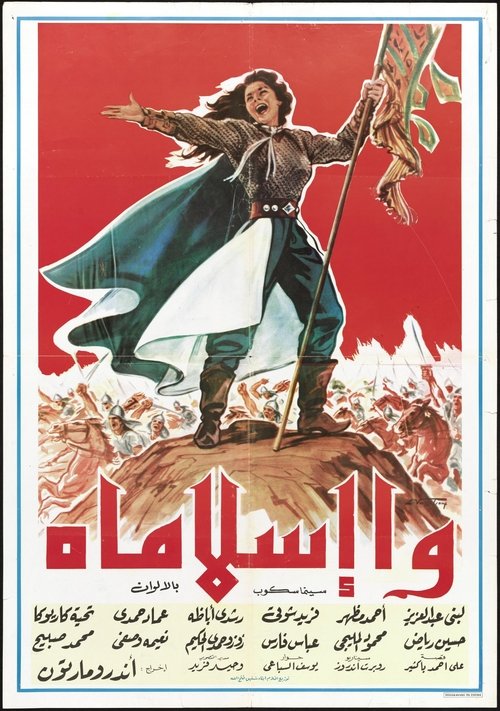
Oh Islam
1961
No user ratings available yet
Representation score: 3.0 out of 10
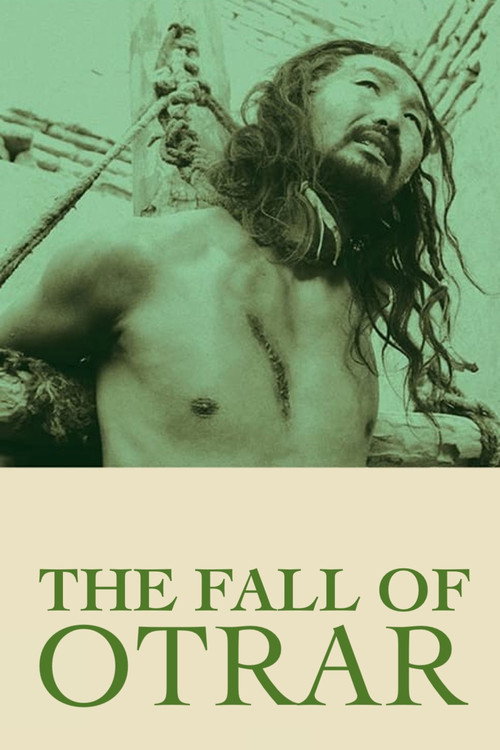
Representation Score
Limited
1991
Director
Ardak Amirkulov
Runtime
156 minutes
Average Rating
No ratings yetNew Showbiz Analysis
The film stands out by focusing on a non-Western, Central Asian historical landscape, breaking away from traditional Eurocentric narratives. However, it lacks modern identity-based representation, such as LGBTQ+ characters or specific disability narratives. Gender roles remain confined to traditional medieval archetypes. The film's strength lies in its sophisticated use of historical allegory to critique the stability of institutions, avoiding simplistic patriotism or glorification of statehood.
Category Breakdown
The film focuses on the macro-scale collapse of a medieval civilization. There are no discernible LGBTQ+ characters or narratives addressing non-assuming gender matches what was assigned at birth identities.
The film follows traditional gender roles within a medieval setting. Female characters do not play a prominent role in the central political or military plots.
The movie offers an authentic depiction of a non-Western historical context. It centers on a Silk Road civilization, presenting a Central Asian perspective that challenges Eurocentric norms in cinema.
The story employs historical allegories to explore systemic decay and the corruption of power. It avoids simplistic morality, instead offering a nuanced critique of centralized authority.
There is no specific evidence regarding the portrayal of physical or neurodivergent disabilities within the film.
Present on Screen
Limited or Absent
Official Synopsis
A staggering historical epic about the intrigue and turmoil of the East Asian civilization of Otrar, before its systematic destruction at the hands of Genghis Khan.
1961
2017
2013
1961

1971
2005
2019
2018
No reviews yet. Be the first to share your thoughts on this movie!
Use the rating form above to leave a star rating and optional review.