
My Part-Time Dad
1982
No user ratings available yet
Diversity score: 4.8 out of 10
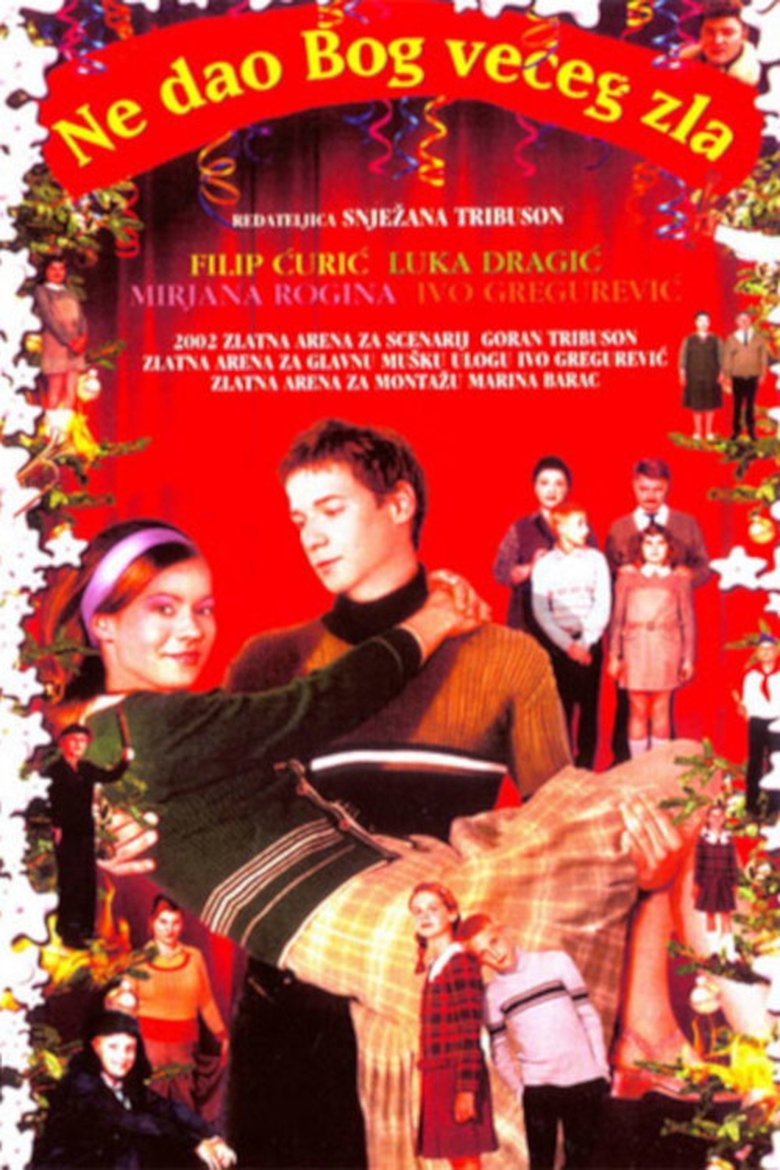
2002
Director
Snježana Tribuson
Runtime
107 minutes
Average Rating
No ratings yetSynopsis
The adventures of a small town Croatian family during the 1960s. The decade will leave eternal marks on all of their members, but most of the story focuses on the youngest one, a boy, Frula, who discovers the love and fashion of the time.
Overall Score
Fair
Category Breakdown
LGBTQ+ Representation
The film lacks explicit evidence of queer narratives or non-heteronormative identities. It appears to operate within the traditional romantic frameworks common to period dramas.
Gender Representation
The story centers on a family unit, which typically follows established gender roles. There is no specific indication of women subverting domestic hierarchies.
Racial & Ethnic Diversity
Set in 1960s Croatia, the film depicts a relatively homogeneous ethnic landscape. The small-town setting suggests a localized perspective rather than a multicultural one.
Religious & Cultural Diversity
The narrative explores the friction between traditional Balkan family values and the emerging modernism of the 1960s. It captures a specific historical and cultural moment.
Disability Representation
There is no documented evidence regarding the inclusion of characters with visible or invisible disabilities.
Strengths
Areas for Improvement
AI Analysis
Snježana Tribuson’s period drama captures a specific historical moment in 1960s Croatia through the eyes of a young boy. The film functions as a localized piece of cultural documentation, focusing on personal maturation and evolving social aesthetics within a small-town setting. While the film provides a nuanced look at a specific era, it lacks significant intersectional diversity. The narrative appears grounded in the social realities of the time, prioritizing character-driven storytelling over the active deconstruction of systemic hierarchies or the inclusion of diverse identities.
1982
2006
1993
1987
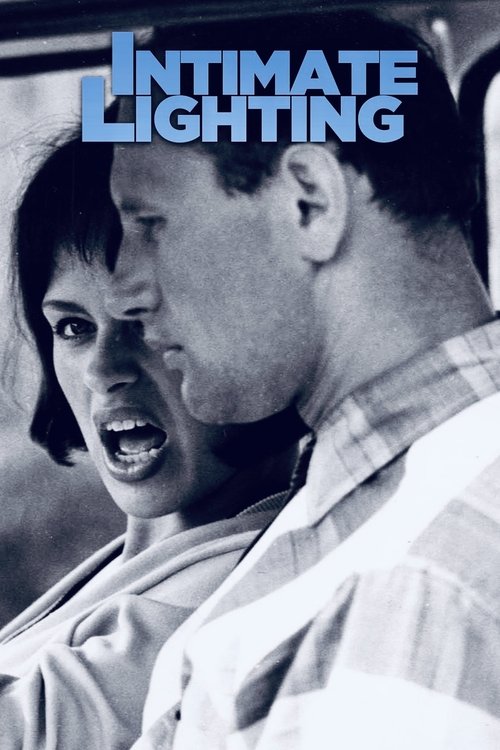
1965
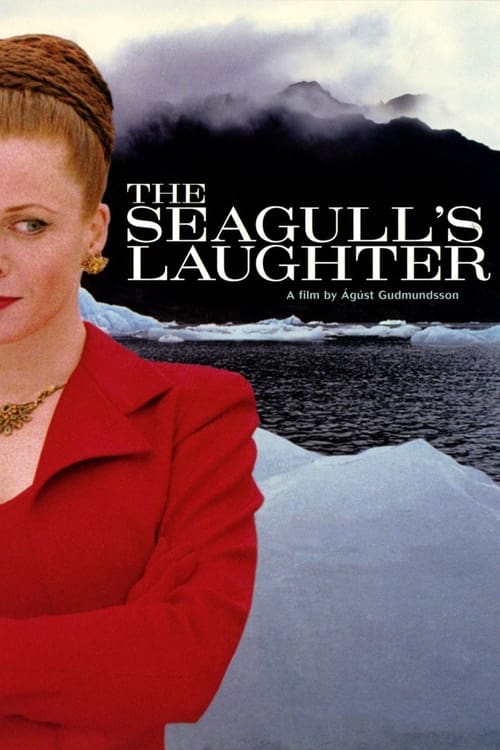
2001

1996
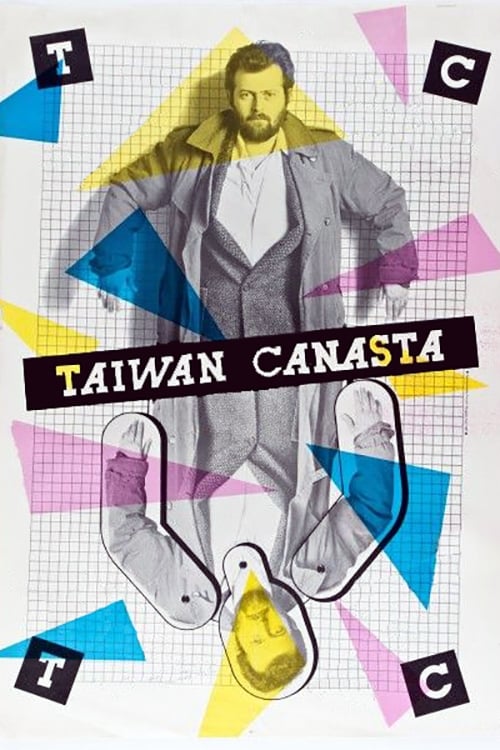
1985
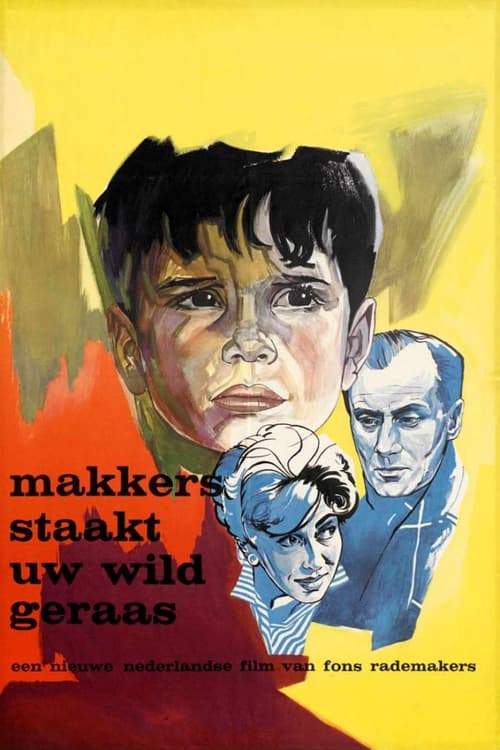
1960
1999
1999
2016
No reviews yet. Be the first to share your thoughts on this movie!
Use the rating form above to leave a star rating and optional review.