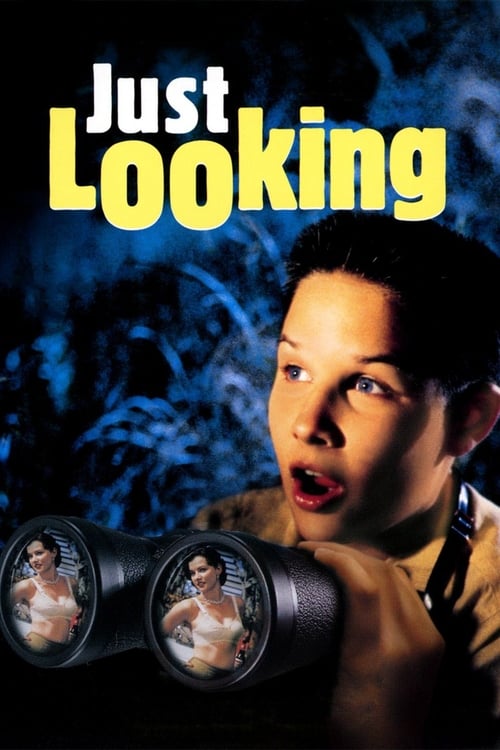
Just Looking
1999
No user ratings available yet
Representation score: 4.5 out of 10
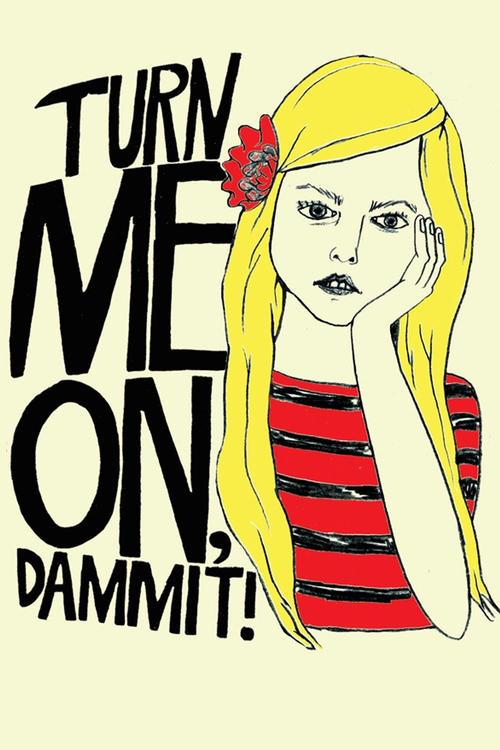
Representation Score
Fair
2011
Not RatedDirector
Jannicke Systad Jacobsen
Runtime
76 minutes
Average Rating
No ratings yetNew Showbiz Analysis
The film excels as a psychological exploration of women's ability to drive the story, effectively dismantling conventional romantic clichés through the protagonist's subjective experiences. It shifts away from the damsel-in-distress cliché to depict a young woman actively navigating her complex desires. However, the film's scope is limited by its focus on a specific, homogeneous Norwegian setting. This narrow demographic focus reduces the potential for broader characters who reflect more than one aspect of diversity or engagement with multicultural themes. Ultimately, while it successfully subverts gendered expectations in the romantic comedy genre, it offers a narrow portrayal of a particular social environment.
Category Breakdown
The film delves into the complexity of adolescent attraction and the fluidity of desire. It steers clear of simplistic coming-out stories, emphasizing the ambiguity of forming a sexual identity.
Alma is shown as an active driver of her own fantasies rather than a passive figure. The film challenges traditional feminine stereotypes by highlighting her unfiltered sexual curiosity and active role.
The setting reflects a relatively homogeneous Norwegian social context. There is minimal emphasis on multi-layered racial or ethnic variety within this localized urban environment.
The narrative focuses on personal emotional truth rather than religious or institutional frameworks. It presents a secular, postmodern perspective on the complexities of modern life.
The film does not prominently feature characters with physical or neurodivergent disabilities, nor do such conditions play a central role in the plot.
Present on Screen
Limited or Absent
Official Synopsis
In Skoddeheimen, Norway, 15-year-old Alma is consumed by her hormones and fantasies that range from sweetly romantic images of Artur, the boyfriend she yearns for, to daydreams about practically everybody she lays eyes on.
1999
2000
2007
2011
2004
2014

2007
2015
No reviews yet. Be the first to share your thoughts on this movie!
Use the rating form above to leave a star rating and optional review.