
The Lost Expedition
1975
No user ratings available yet
Representation score: 2.9 out of 10
Representation Score
Limited
1977
Director
Venyamin Dorman
Runtime
96 minutes
Average Rating
No ratings yetNew Showbiz Analysis
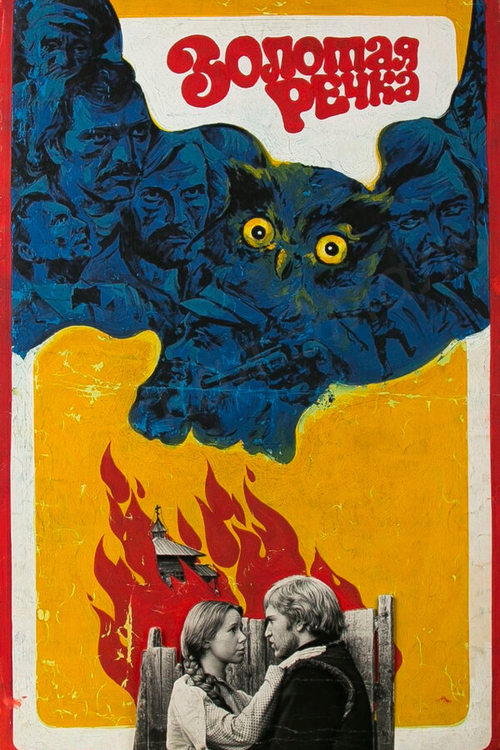
Golden River is a genre-driven adventure film that functions primarily as a sequel to The Lost Expedition. It operates within the state-sanctioned cinematic traditions of the Soviet era, focusing on historical continuity and adventure rather than social deconstruction. The film's diversity is limited by its adherence to mid-century adventure clichés. While the Soviet context provides a framework that challenges Western capitalist individualism, the narrative lacks explicit evidence of multi-layered character's ability to drive the story or the subversion of identity hierarchies. Ultimately, the film reflects the social constraints and traditional roles common to 1970s adventure cinema, resulting in a moderate representation of diverse identities.
Category Breakdown
The film does not include any documented LGBTQ+ characters or narratives. It follows traditional adventure clichés that adhere to conventional social structures of the era.
The narrative likely centers on masculine leadership and physical prowess typical of the adventure genre. There is no evidence of challenging traditional gender hierarchies.
As a Soviet production, the film likely features a diverse cast reflecting USSR ethnicities. However, the role of non-Anglo-Saxon characters remains unconfirmed.
The film aligns with Soviet traditions that prioritize collective experience over Western individualism. It may lean toward critiques of colonial or imperialist structures.
There is no available evidence regarding the portrayal of visible or invisible disabilities within the film's narrative.
Present on Screen
Limited or Absent
Official Synopsis
The continuation of the story started by adventure movie "The Lost Expedition" set in 1923.
1975
1960
1995
1950
1980
1972
1974
1953
No reviews yet. Be the first to share your thoughts on this movie!
Use the rating form above to leave a star rating and optional review.