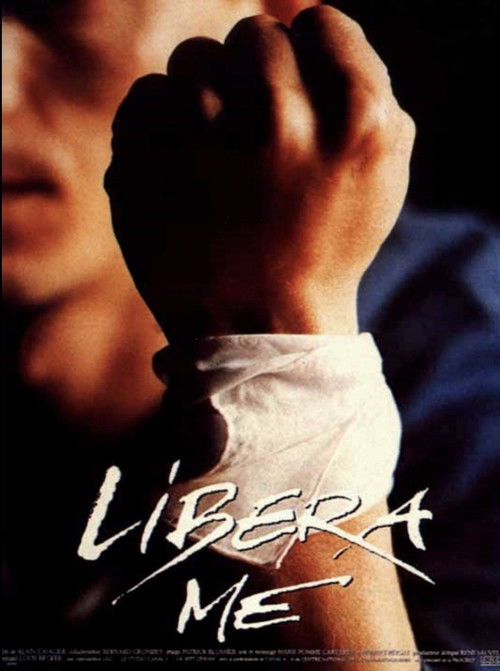
Libera me
1993
No user ratings available yet
Representation score: 2.1 out of 10
Representation Score
Excellent
1972
Director
Luiz Rosemberg Filho
Runtime
70 minutes
Average Rating
No ratings yetNew Showbiz Analysis
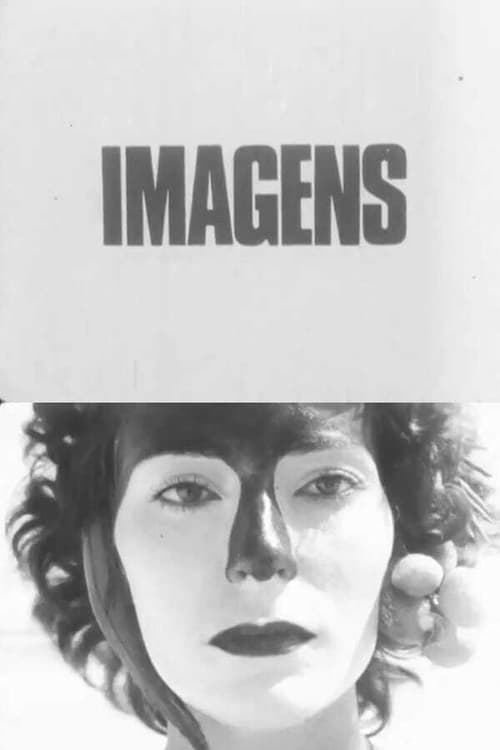
Imagens (1972) is a profound piece of sociopolitical subversion that uses cinematic silence to bypass censorship during the Brazilian military dictatorship. Its strength lies in its ability to challenge state-sanctioned narratives through purely visual, non-verbal means. While the experimental nature of the film makes it difficult to confirm specific representations of gender, race, or LGBTQ+ identities, the thematic architecture is inherently inclusive of the underrepresented. It prioritizes the vulnerability of the human condition over traditional authority. Ultimately, the film succeeds as a cultural critique. It transforms the absence of sound into a tool for questioning systemic repression and the morality of state-imposed silence.
Category Breakdown
The film's non-verbal, experimental structure makes it hard to pinpoint specific LGBTQ+ identities. However, its focus on the morality of death and systemic silence hints at an exploration of lives sidelined by state scrutiny.
By removing dialogue, the film shifts power from verbal authority to visual experience. This experimental approach potentially disrupts traditional patriarchal hierarchies and the rigid social structures of 1970s Brazil.
The work engages with the complexities of Brazilian identity during a period of intense national struggle. It questions determinant moments, focusing on suppressed populations rather than a Eurocentric lens.
The film offers a powerful critique of institutions by framing the state and military apparatus as oppressive. It uses silence as a tool of resistance against Western-aligned authoritarianism and official histories.
The reliance on silence and immobility creates a sensory experience that mirrors neurodivergent or sensory-impaired perspectives. It centers a non-traditional way of perceiving reality through visual semiotics.
Present on Screen
Limited or Absent
Official Synopsis
Without any sounds, dialogues and with unknown actors, the images are the focus of this film. Images that want to awake, to question determinant moments, state of a system's languages, the morality of deaths, the immobility, the silence, among other subjects. Shot at the height of the Brazilian military dictatorship, it is an affront to the most diverse types of repression in that period.
1993

1964
2016
1985
1959
1989

1972
1968
No reviews yet. Be the first to share your thoughts on this movie!
Use the rating form above to leave a star rating and optional review.