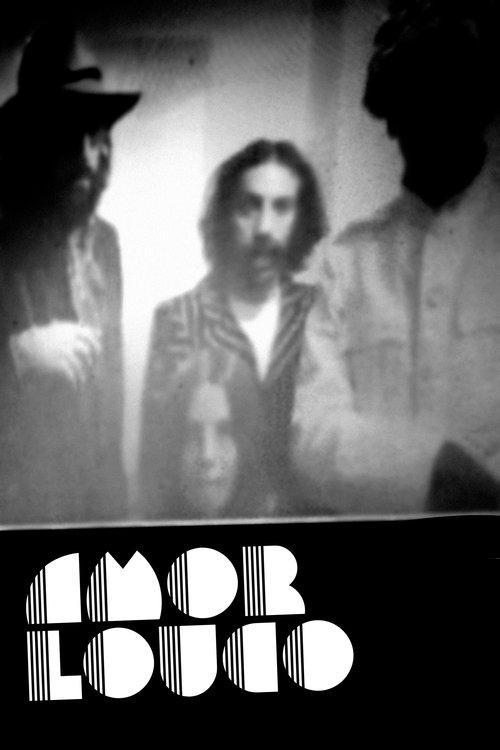
Crazy Love
1971
No user ratings available yet
Representation score: 5.8 out of 10

Representation Score
Fair
1972
Director
Júlio Bressane
Runtime
71 minutes
Average Rating
No ratings yetNew Showbiz Analysis
Júlio Bressane’s work is characterized by a deliberate rejection of conventional narrative structures. Embracing 'quasi-cinema,' the film deconstructs traditional cinematic hierarchies and Western-centric visual standards. The film's strength lies in its cultural and structural subversion. It resists monolithic media norms by using experimental formats and a 'code out of time' that critiques organized social orders. However, the experimental and fragmented nature of the film makes it hard to confirm specific representations of identity. While it avoids traditional clichés, it lacks clear evidence of diverse character portrayals.
Category Breakdown
The film's avant-garde style suggests a move away from traditional storytelling focused on straight relationships. However, the fragmented structure doesn't provide clear examples of LGBTQ+ characters or their relationships.
By focusing on sensory experiences rather than traditional plots, the film challenges typical male-dominated narratives. Its unique structure helps break down conventional gender roles.
Set in New York and featuring Bressane's exile status, the film places itself outside mainstream Anglo-Saxon culture. It combines Brazilian avant-garde ideas with Western urban environments.
The film strongly opposes capitalist filmmaking structures and instead presents a subjective, non-linear reality. This radical stance offers a progressive perspective.
There is no information available regarding the portrayal of physical or neurodivergent characters.
Present on Screen
Limited or Absent
Official Synopsis
A silent film shot in New York in 1972, including scenes in Hélio Oiticica’s apartment. Last film made in exile by Bressane, it mimics the experimental concept of "quasi-cinema" by Hélio Oiticica. It consists of a fragmentary experience of freedom, in super-8 and 16mm, in a code out of time, out of the square, while recreating (with different cameras) the wild and sensitive look that Oiticica dedicated to cinema. Its definitive 71-minute restored version was completed in the early 2000s.
1971

2006
1972
2016
2011

1964
1983
1968
No reviews yet. Be the first to share your thoughts on this movie!
Use the rating form above to leave a star rating and optional review.