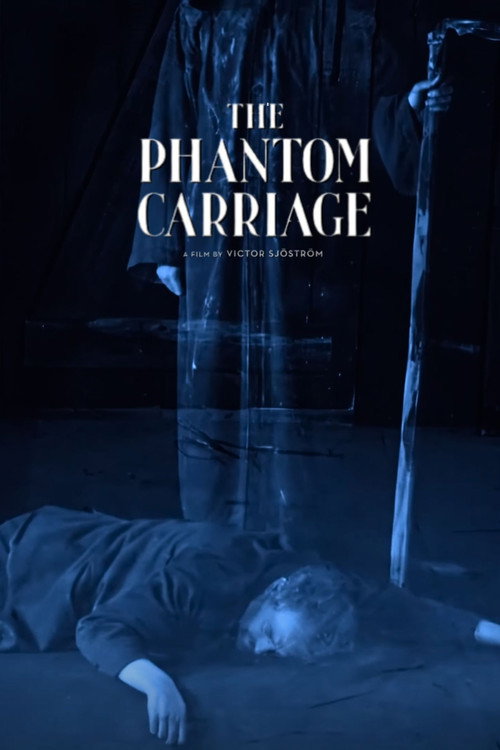
The Phantom Carriage
1921
No user ratings available yet
Representation score: 1.8 out of 10
Representation Score
Minimal
1958
Director
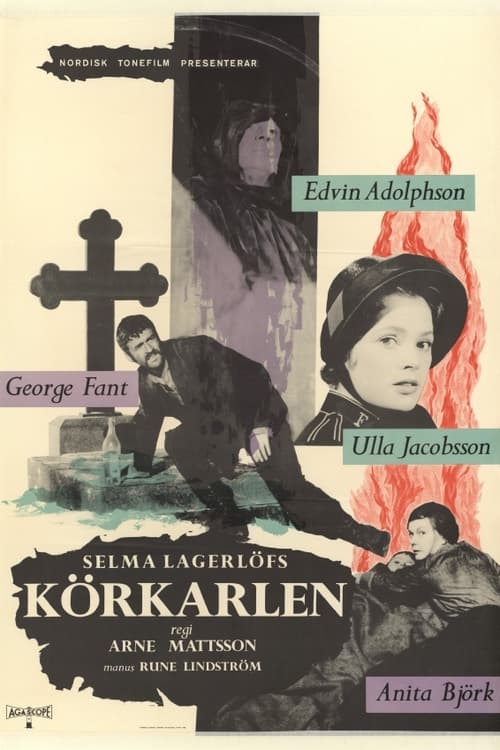
Arne Mattsson
Runtime
109 minutes
Average Rating
No ratings yetNew Showbiz Analysis
The Phantom Carriage explores themes of metaphysical guilt and spiritual redemption. Its narrative structure emphasizes traditional social and moral hierarchies, focusing on individual responsibility to divine law. Given its 1958 Swedish context, the film does not include diverse racial, ethnic, or LGBTQ+ identities. The storytelling is shaped by a singular, localized cultural perspective. While visually impressive, the film does not challenge established social norms. It presents a snapshot of a specific era’s views on morality, gender, and community.
Category Breakdown
The film adheres to the conventions of its time, assuming everyone is straight or cisgender. There is no depiction of same-sex relationships or non-traditional gender identities.
The story focuses on the male protagonist's psychological journey. Women play supporting roles, often as catalysts for the man's guilt or as victims of his actions.
The cast is made up of actors who reflect a homogenous Nordic background. There is no representation of racial diversity or multicultural casting.
The narrative is grounded in traditional Western moral beliefs about sin and divine judgment. It emphasizes a singular moral order centered on superstition and spiritual consequences.
The film addresses themes of psychological distress through spiritual crisis and alcoholism. The protagonist's addiction is portrayed as a moral failing rather than a medical condition or systemic issue.
Present on Screen
Limited or Absent
Official Synopsis
The third film adaptation of Selma Lagerlöf's novel of the same name. The drinker David Holm gets killed right on the stroke of midnight on New Year's Eve will face the death coachman, which happens to be his old friend Georges. Together, reliving the events of the past, and David becomes aware that he ruined the lives of two women who both loved him.
1921
1963

1939
1996

1948
1914
1953
1939
No reviews yet. Be the first to share your thoughts on this movie!
Use the rating form above to leave a star rating and optional review.