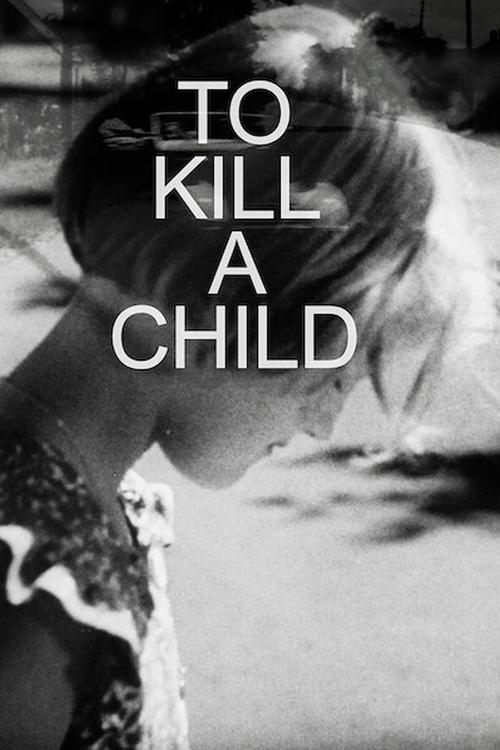
To Kill a Child
1953
No user ratings available yet
Representation score: 1.1 out of 10

Representation Score
Minimal
1948
Director
Gustaf Molander
Runtime
97 minutes
Average Rating
No ratings yetNew Showbiz Analysis
Gustaf Molander's drama is a character-driven exploration of individual trauma and romantic rivalry. It operates as a mid-century psychological study rather than a platform for social critique. The film excels in offering nuanced emotional depth and active roles to female characters, avoiding submissive stereotypes. However, it remains anchored in the social and demographic norms of its time. Overall, the work lacks demographic diversity and systemic disruption. It prioritizes personal morality and the consequences of past actions over addressing various forms of diversity.
Category Breakdown
The film follows traditional structures focused on heterosexual relationships. The central conflict revolves around romantic competition between male and female characters without any queer undertones.
The narrative provides significant emotional complexity and active roles to female characters. It emphasizes their psychological depth over traditional masculine leadership in the central rivalry.
The cast is ethnically uniform, reflecting the demographics of 1948 Sweden. There is no indication of racially diverse casting.
The story centers on personal morality and individual psychological realism. It avoids systemic critiques, focusing instead on interpersonal conflicts and past guilt.
The protagonist's psychological struggles are portrayed as part of a personal growth journey. It does not depict neurodivergence or disability as a core identity.
Present on Screen
Limited or Absent
Official Synopsis
Marine Bo Fredriksson is travelling home on a leave. He reminisce about an accident he caused as a 12-year old which killed a young girl, an event that has made him feel revulsion for death. Back home he meets Eva, a girl he fancies and they move together to Stockholm to start a life together.
1953

1953
1953

2000
1996

1966

1964

2003
No reviews yet. Be the first to share your thoughts on this movie!
Use the rating form above to leave a star rating and optional review.