Between Summers
1995
No user ratings available yet
Representation score: 1.7 out of 10
Representation Score
Minimal
1996
Director
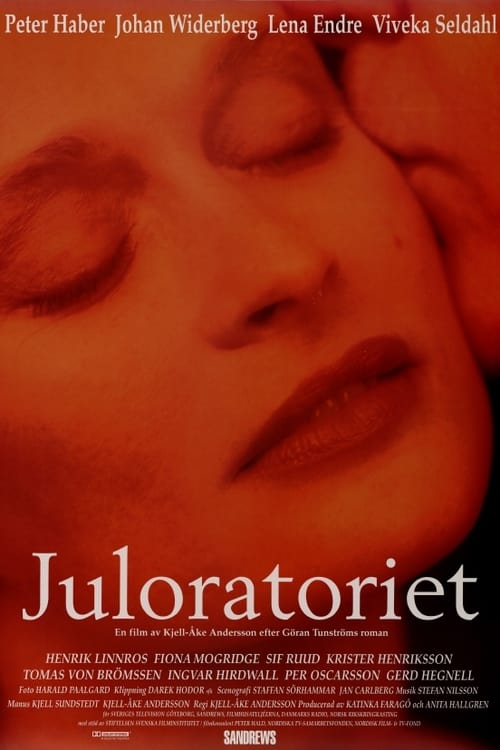
Kjell-Åke Andersson
Runtime
124 minutes
Average Rating
No ratings yetNew Showbiz Analysis
Christmas Oratorio is a traditional period drama that emphasizes individual psychological realism over challenging social hierarchies. It focuses on a Swedish family's grief in the 1930s, functioning as a character study. The film follows conventional dramatic formulas, especially concerning gender roles where female characters primarily motivate male emotional development. The setting and casting reflect the historical homogeneity of the era. Overall, the work prioritizes personal healing and historical accuracy within a localized context, rather than progressive representation.
Category Breakdown
The film does not include any LGBTQ+ characters or stories about non-traditional gender identities. The main emotional storyline revolves around the traditional grieving process after losing a spouse.
The story centers on a patriarchal family dealing with loss. Although the deceased wife triggers the plot, she is primarily defined by her absence, serving mainly as a motivator for male emotional growth.
Set in 1930s Sweden, the film reflects the homogeneous society of that time. A connection to a pen pal in New Zealand serves as an escape rather than exploring diverse ethnic backgrounds.
The narrative explores grief and memory within a traditional Western cultural context. The title and setting hint at seasonal traditions without emphasizing religious beliefs.
The film does not feature any characters with physical or neurodivergent disabilities. It focuses on the psychological impact of bereavement, which is a common theme in dramas.
Present on Screen
Limited or Absent
Official Synopsis
The 1930s. Sidner's mother Solveig dies in a very unfortunate bicycle accident involving some cows. Sidner, his sister and his father Aron move to Sunne to work at a hotel. Aron tries hard to leave the sweet memories of his wife behind him but that isn't made easier by the fact that he always meets her ghost. Aron gets himself a pen friend, a young girl in New Zealand called Tessa. He starts to dream of beginning a new life on the other side of the world. Will his dreams come true and can they help him to cure his regret over the death of his wife?
1995

2017
1995
2021

1948
1991
2004
2001
No reviews yet. Be the first to share your thoughts on this movie!
Use the rating form above to leave a star rating and optional review.