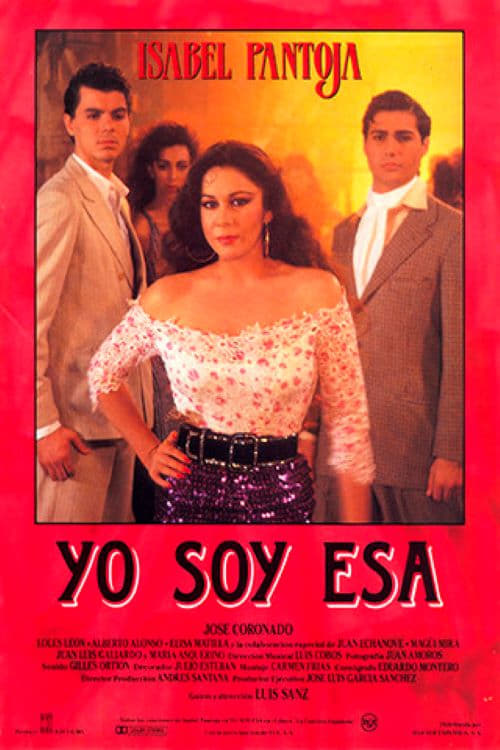
Yo soy ésa
1990
No user ratings available yet
Representation score: 4.9 out of 10
Representation Score
Fair
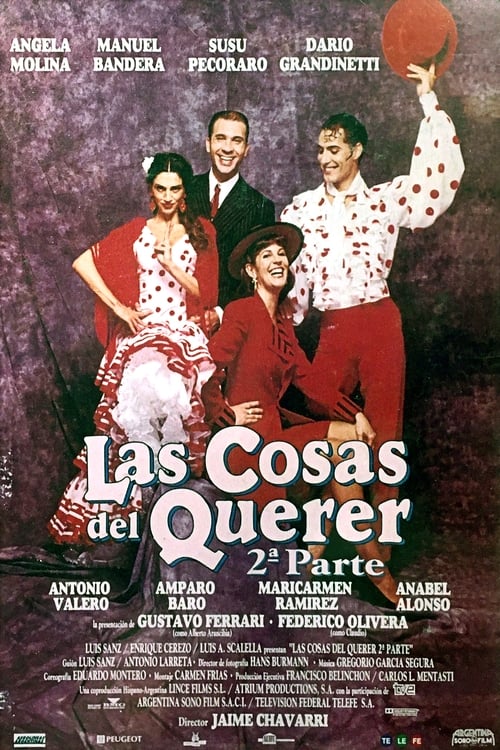
1995
Director
Jaime Chávarri
Runtime
106 minutes
Average Rating
No ratings yetNew Showbiz Analysis
The film centers on emotional autonomy and social transition, offering a meaningful disruption to traditional romantic structures by evolving from a heterosexual relationship into a same-sex union. However, the narrative remains largely confined to European social structures, lacking a broad spectrum of multi-layered or racial diversity. Ultimately, the film excels in character-driven drama while staying within relatively narrow cultural and ethnic boundaries.
Category Breakdown
The film challenges traditional expectations by showing Tulio's journey from a heterosexual relationship to a same-sex partnership with Mario, which eventually leads to a marriage proposal.
Silvia's inherited wealth gives her economic power, but her story remains tied to traditional romantic pursuits. Mario's emotional detachment sometimes reinforces traditional masculine archetypes.
The story mainly focuses on European social classes in Spain and Portugal, with little evidence of diverse ethnic backgrounds or multi-layered racial dynamics.
The film critiques stable national identities through themes of displacement and exile, suggesting a nomadic view of Western stability by moving between Madrid, Lisbon, and Argentina.
No visible or invisible disabilities are central to the character arcs or plot progression.
Present on Screen
Limited or Absent
Official Synopsis
On the way to his exile in Lisbon, Mario meets Silvia, a widow who turns out to be one of his admirers. Silvia has inherited a fortune, leading Mario to resume his career, eventually falling for him. Although Mario has relations with her, he makes it clear that will never fall in love. In Madrid, Juan Pepita and resume their relationship, and because of this the jilted Nena John Colman murders before Pepita, after being arrested. Pepita accepts a contract in Argentina, reunited with Mario. There he meets Tulio, who after starting a relationship with singer eventually ask marriage.
1990
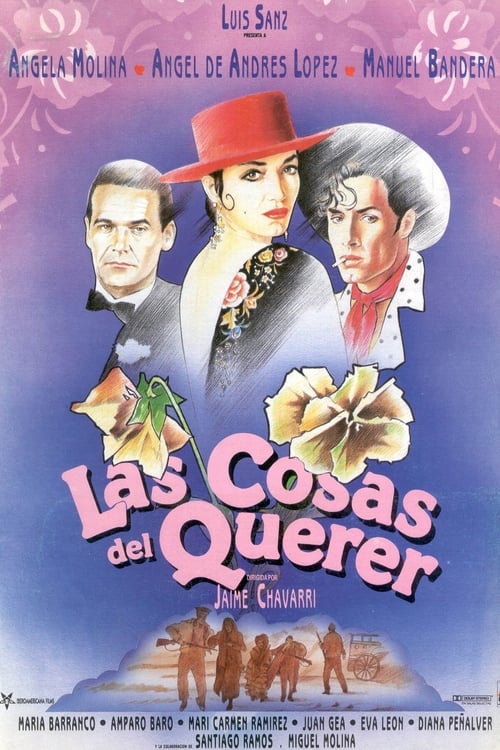
1989
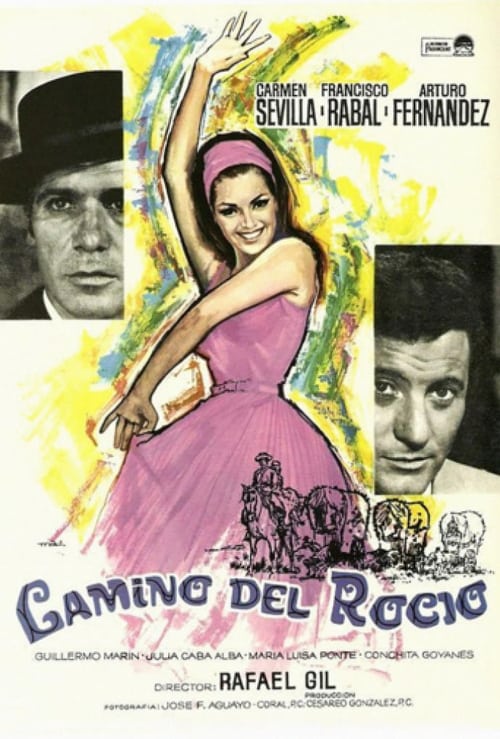
1966

1965

1973
1957
1998

1959
No reviews yet. Be the first to share your thoughts on this movie!
Use the rating form above to leave a star rating and optional review.