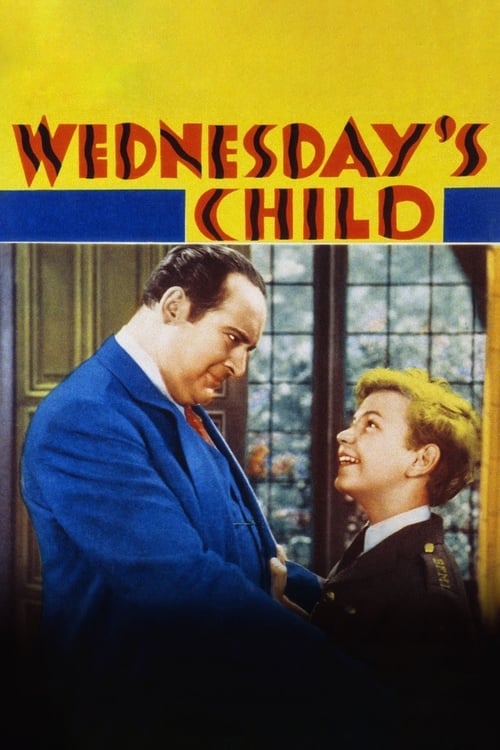
Wednesday's Child
1934
No user ratings available yet
Representation score: 1.1 out of 10
Representation Score
Minimal
1935
PGDirector
John S. Robertson
Runtime
65 minutes
Average Rating
No ratings yetNew Showbiz Analysis
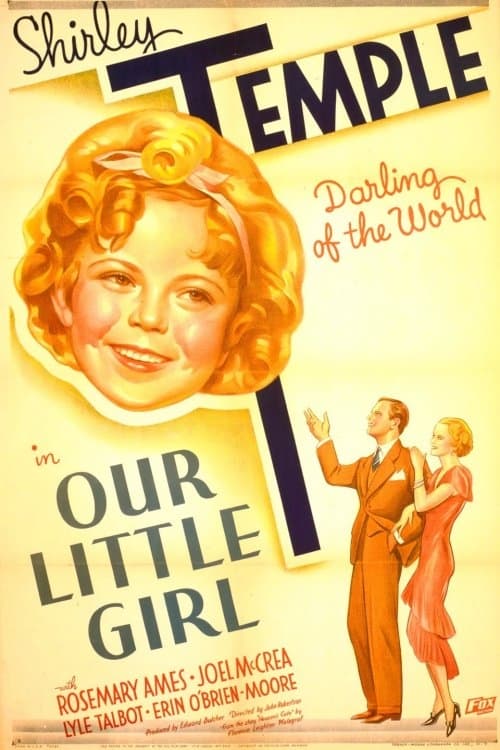
Our Little Girl is a quintessential 1930s domestic melodrama that prioritizes the preservation of the nuclear family. The narrative uses the emotional ability to act of a child to stabilize traditional marital structures rather than question them. The film adheres to the social and cinematic hierarchies of its era. It focuses on the internal friction of a middle-class household, reinforcing established social norms through a restorative plot arc. Ultimately, the work lacks complexity in addressing diverse identities. It functions as a stabilizing cultural product that avoids disrupting traditional hierarchies or exploring diverse identities.
Category Breakdown
The film operates within a framework that assumes everyone is straight or cisgender. There is no evidence of non-assuming gender matches what was assigned at birth identities or same-sex intimacy.
Elsa has significant control over her marital dissatisfaction, but the plot aims to restore the traditional marital bond. Masculinity is portrayed through professional preoccupation.
The production features a homogeneous cast reflecting 1930s Hollywood norms. There is no evidence of racial blending or non-Anglo-Saxon majority casting.
The narrative emphasizes the sanctity of the traditional family institution. It reinforces middle-class Western domesticity and social stability through a restorative moral arc.
There is no representation of physical, sensory, or neurodivergent disabilities. Characters are depicted through a standard lens of able-bodied drama.
Present on Screen
Limited or Absent
Official Synopsis
Don Middleton is so caught up with his work he neglects his wife Elsa. Lonely Elsa begins to spend more time with Don's best friend and they become attracted to one another. Don and Elsa decide to get a divorce, unaware of the effect their problems are having on their daughter Molly. When Elsa announces plans to remarry, Molly runs away from home.
1934
1939

1932

1934
1931
1934

1939
1927
No reviews yet. Be the first to share your thoughts on this movie!
Use the rating form above to leave a star rating and optional review.