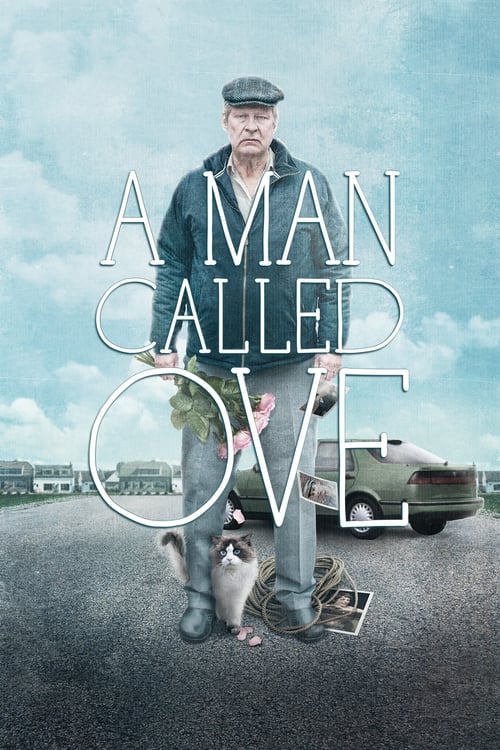
A Man Called Ove
2015
No user ratings available yet
Representation score: 6.1 out of 10
Representation Score
Good
2013
Director
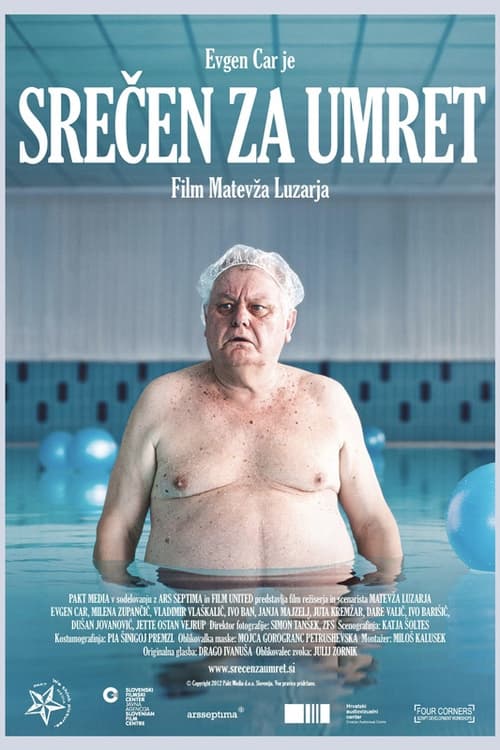
Matevž Luzar
Runtime
100 minutes
Average Rating
No ratings yetNew Showbiz Analysis
Good to Go is a localized character study that prioritizes existential themes over demographic diversity. It successfully challenges sentimentalized clichés about aging and family, offering a more cynical and nuanced perspective on mortality. However, the film remains narrow in its focus. The narrative is heavily centered on male experiences and a homogeneous Slovenian setting, limiting characters who reflect more than one aspect of diversity and diverse cultural perspectives. Ultimately, the film's strength lies in its psychological depth rather than its social diversity, making it a specific study of individual experiences rather than a broad social tapestry.
Category Breakdown
The film does not include any explicit references to LGBTQ+ characters or themes. The story revolves around an older male character facing existential questions without delving into non-straight relationships.
The story centers on male relationships, particularly the tension between a father and his son. It explores traditional masculine roles but does not give much attention to elevating female characters.
Set in Slovenia, the film seems to depict a relatively uniform demographic. There is no indication of multicultural elements or diverse racial casting in the Alpine setting.
The film challenges clichés about aging by focusing on a protagonist who is disillusioned with traditional family structures. It emphasizes existentialism over religious or societal views on success.
While no specific physical disabilities are highlighted, the film addresses the psychological challenges of cognitive and emotional aging. Characters with disabilities do not have much control over their situations.
Present on Screen
Limited or Absent
Official Synopsis
Ivan is a retired music teacher in his late 70s, and has grown weary of life. His estranged son never matched up to his expectations anyway, he is still eaten up with jealousy of his brother, who always enjoys life to the full, and - above all - he cannot keep up with the changes around him. He buys himself a plot in a graveyard with an beautiful view of the Alps and checks into a retirement home so he can wait for his death in peace. However, the exact opposite happens: for the first time in his life Ivan starts to actually live.
2015

2007
2006

2013

2021

2015

2008
2016
No reviews yet. Be the first to share your thoughts on this movie!
Use the rating form above to leave a star rating and optional review.