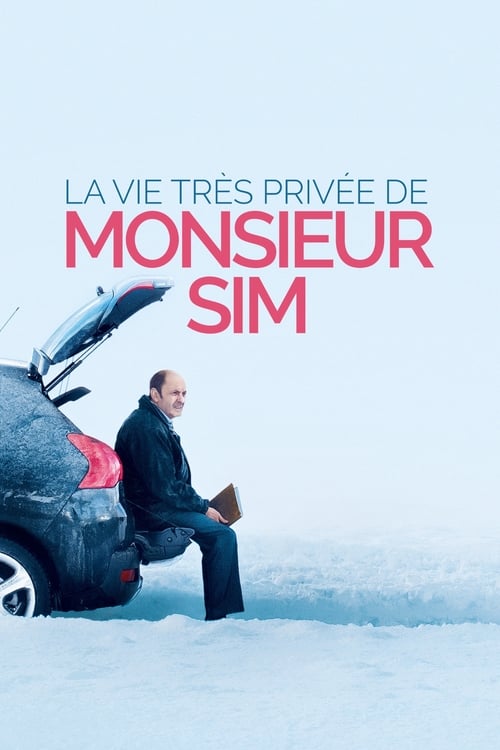
The Very Private Life of Mister Sim
2015
No user ratings available yet
Representation score: 4.9 out of 10
Representation Score
Fair
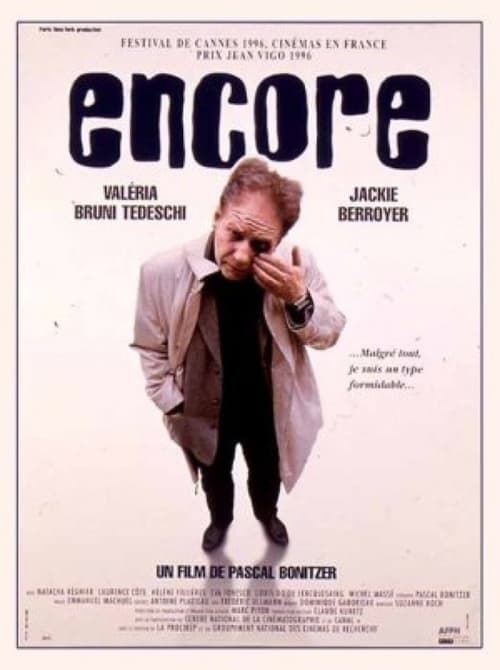
1996
Director
Pascal Bonitzer
Runtime
96 minutes
Average Rating
No ratings yetNew Showbiz Analysis
Encore is a focused French character study that prioritizes psychological depth over social breadth. It deconstructs the archetype of the competent patriarch by presenting a protagonist defined by failure and stagnation. However, the film remains anchored in traditional social structures. The cast appears demographically homogeneous, and the narrative relies on conventional romantic dynamics and gendered emotional labor. Ultimately, while the film offers a nuanced look at a man's internal collapse, it lacks the variety and systemic critique necessary to move beyond a traditional European perspective.
Category Breakdown
The film centers on traditional heterosexual relationships and family life, with no significant representation of LGBTQ+ identities or critiques of these structures.
Abel is portrayed as emotionally inept, challenging the typical male leader stereotype. However, female characters often respond to his crises, showing less proactive ability to act.
The film depicts a relatively homogenous Parisian society, lacking a diverse cast that challenges Western European demographic norms, focusing instead on a localized intellectual class.
The story emphasizes individual psychological states over religious morality, functioning primarily as a private character study rather than a broader cultural critique.
Mental health issues are explored through Abel’s depression and insomnia, but the narrative leans towards the 'tortured intellectual' cliché rather than examining neurodivergence with ability to act.
Present on Screen
Limited or Absent
Official Synopsis
The mid-life crisis of a middle-aged, depressive college professor/author provides the center of this French character study. Abel Vichac has really let himself go. Though a successful writer, and supposedly working on a book about 'regret,' he is barely functioning. He can't sleep at night. During the day he is easily distracted, irresponsible and moody. He also ignores his patient live-in lover Aliette who has stuck by him for 10 years. As he mopes through another day, he gets into several awkward occasions. One of his students, Florence tells him off in a café. A young woman, Catherine hears this and afterward introduces herself as a fan. Later he decides to find her address and visit her apartment. There Abel meets Catherine's roommate Aurore and the former's jealous boyfriend Bruno for a tense scene. He is returning home when Abel encounters his brother's former lover Olga and this creates more awkwardness.
2015

2007
1997

2006
1996

2003

2011
1992
No reviews yet. Be the first to share your thoughts on this movie!
Use the rating form above to leave a star rating and optional review.