The Story of Yanagawa's Canals
1987
No user ratings available yet
Representation score: 2.7 out of 10
Representation Score
Fair
1998
Director
Shui-Bo Wang
Runtime
29 minutes
Average Rating
No ratings yetNew Showbiz Analysis
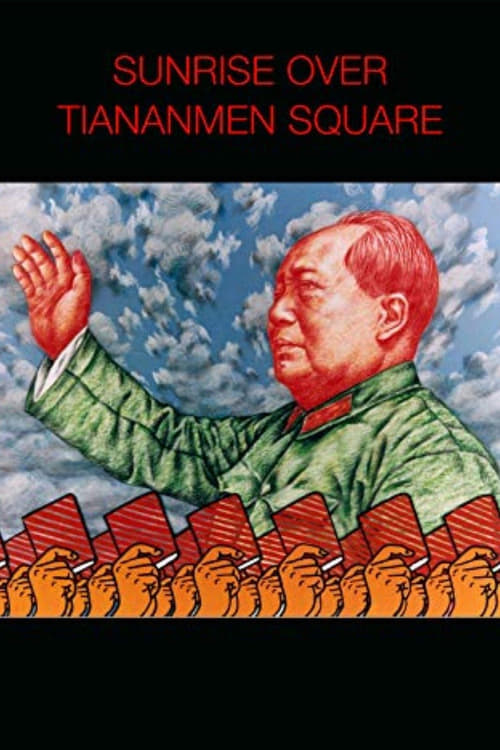
Shui-Bo Wang’s documentary offers a vital, subjective counter-narrative to state-sanctioned history. By centering the director's personal evolution from a child of communist values to an adult artist and soldier, the film prioritizes individual ability to act over monolithic political structures. The work excels in its cultural and ethnic authenticity, providing a nuanced view of Chinese identity that avoids Western-centric simplifications. It effectively uses the tension between the individual and the collective to critique systemic power. However, the film's focus on the director's specific socio-political journey leaves significant gaps in representation. There is a lack of visible engagement with LGBTQ identities or queer narratives, gender diversity, or female characters who play a significant role in driving the story.
Category Breakdown
The film focuses on the director's personal growth within a specific socio-political framework. There is no explicit depiction of LGBTQ narratives or non-straight identities.
The narrative centers on the director's journey within a patriarchal society involving the military and the Communist Party. It lacks strong female characters or challenges to gender hierarchies.
The film provides a centered perspective on Chinese identity and experiences within the People's Republic of China. This shifts the traditional Western documentary focus by prioritizing a non-Western viewpoint.
The narrative explores the tension between artistic ideals and state communism through institutional critique. It highlights the protagonist's journey navigating systemic pressures and monolithic power structures.
There is no mention of characters or subjects dealing with physical, neurodivergent, or mental health conditions.
Present on Screen
Limited or Absent
Official Synopsis
This film illustrates the life of the film director, Shui-Bo Wang in The People's Republic of China. We learn of the life of the director in his own words and images from a child steeped in the values of Chinese communism exemplified by Chairman Mao, to a young man striving to live up to those ideals both as an artist and a soldier.
1987
1985
2023
2019
2007
2015
2003
1990
No reviews yet. Be the first to share your thoughts on this movie!
Use the rating form above to leave a star rating and optional review.