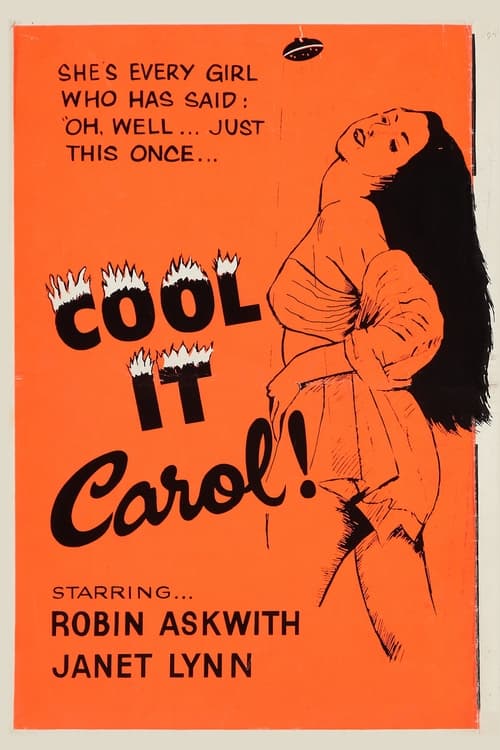
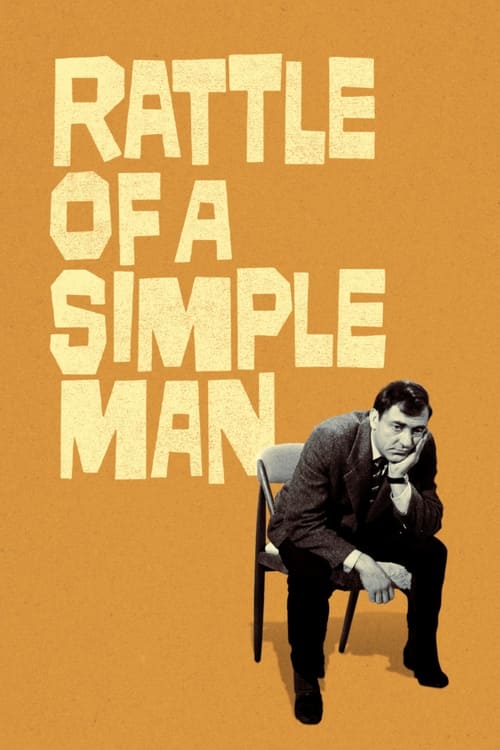
Cool It, Carol!
1970
No user ratings available yet
Representation score: 4.8 out of 10
Representation Score
Fair
1964
Director
Muriel Box
Runtime
92 minutes
Average Rating
No ratings yetNew Showbiz Analysis
Muriel Box directs a character study that challenges traditional masculine archetypes. By emphasizing Percy's vulnerability and social awkwardness, the film shifts away from conventional heroism towards emotional vulnerability. While the film lacks diversity in terms of race and LGBTQ+ identities, it delves into the nuances of social conformity. The narrative examines the tension between individuals and the rigid structures of society. Ultimately, the work serves as a localized study of British social reintegration, prioritizing nuanced interpersonal dynamics over a broader ensemble.
Category Breakdown
The film does not feature any identifiable LGBTQ+ characters or stories. The interactions focus on heterosexual relationships between the main character and female characters, with no indication of non-straight or non-cisgender identities.
The story challenges traditional gender roles by centering on the male protagonist's vulnerability. Female characters such as Cyrenne have a sophisticated worldliness and play significant roles, contrasting with Percy's weakened masculinity.
Reflecting the social norms of 1964, the cast is mainly white and of Anglo-Saxon descent. The film focuses on the dynamics of British class rather than showcasing a diverse range of ethnicities.
The film provides a subtle critique of rigid social institutions. It highlights the tension between individuals and systemic structures through the protagonist's struggle to reintegrate into society.
There are no obvious representations of physical or sensory disabilities. However, the film explores themes of psychological isolation and the protagonist's difficulty navigating expected social behaviors.
Present on Screen
Limited or Absent
Official Synopsis
Percy Winthram is a naive young man who still lives at home with his mum. In London for the Cup Final with his friends, he finds himself in a Soho strip club, where he meets blonde hostess Cyrenne. Accepting a bet from friend Ginger, he accompanies Cyrenne back to her flat, and a boast-worthy night of lust seems to be on the cards. However, drained of beer and bravado, Percy's innocence and vulnerability become all too evident.
1970
1970
1969
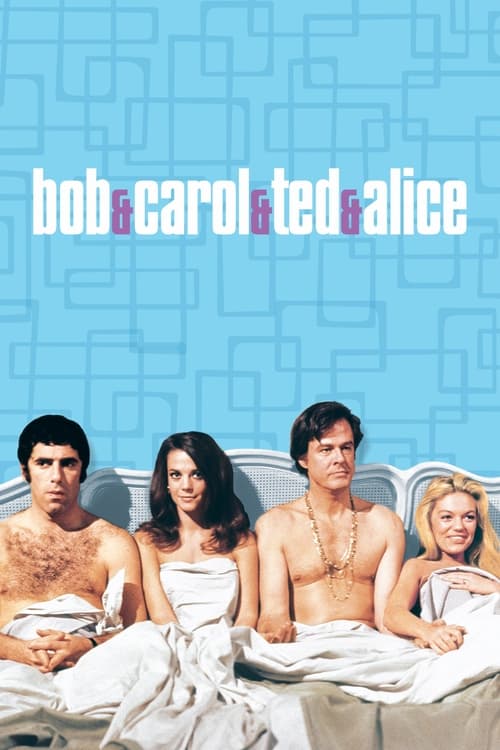
1969
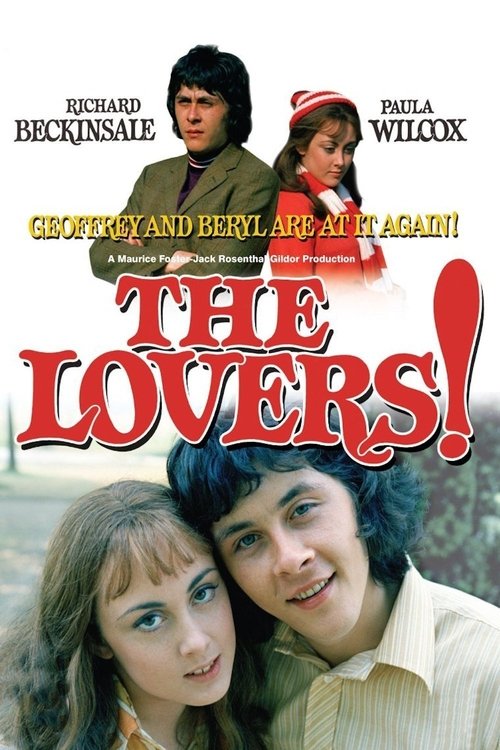
1973
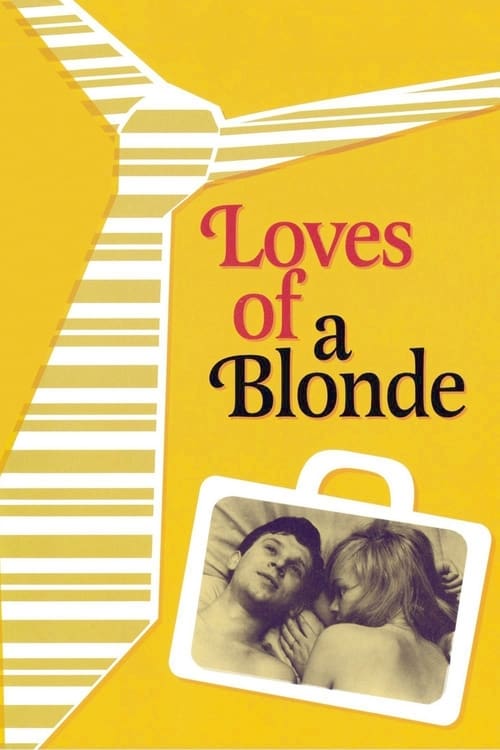
1965
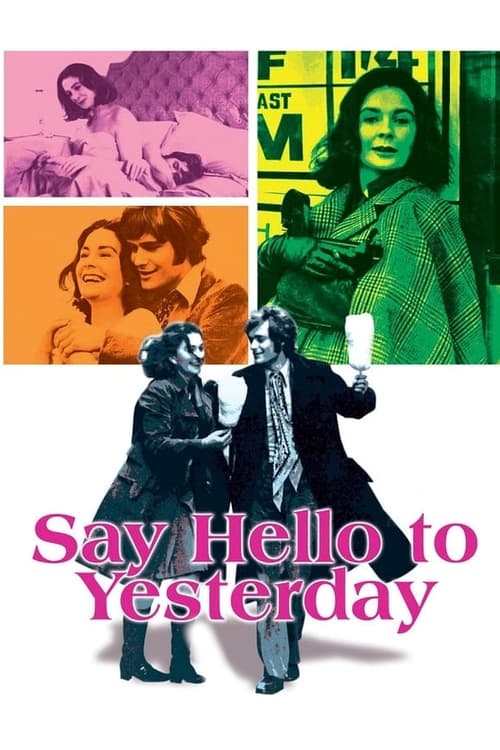
1971

1971
No reviews yet. Be the first to share your thoughts on this movie!
Use the rating form above to leave a star rating and optional review.