
Indian Uprising
1952
No user ratings available yet
Representation score: 0.6 out of 10
Representation Score
Minimal
1956
NRDirector
Ray Nazarro
Runtime
73 minutes
Average Rating
No ratings yetNew Showbiz Analysis
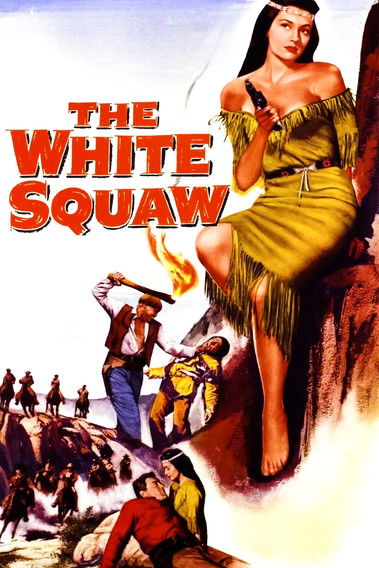
The White Squaw is a product of mid-20th-century cinematic conventions that reinforce traditional social hierarchies. The film’s reliance on colonialist perspectives and male-centric dominance results in low diversity scores. Casting choices, particularly the use of heavy makeup to portray a Native American character, undermine authentic representation. The narrative prioritizes survivalist clichés and gendered hierarchies over multi-layered depth. Ultimately, the film reflects the era's cultural norms without challenging them.
Category Breakdown
The film does not include any visible LGBTQ+ characters or queer relationships. It follows the assumption that everyone is straight and cisgender, reflecting the social norms of the 1950s.
Female characters mainly serve as objects of desire or triggers for male conflict. The story emphasizes male physical strength and leadership struggles over female autonomy.
The film uses heavy makeup to make a white actress appear as a Native American character, reinforcing colonialist ideas and avoiding authentic representation.
The story focuses on survivalism and individualistic leadership without critiquing Western institutions or capitalism. It lacks any anti-colonialist perspective.
There are no depictions of physical, sensory, or neurodivergent disabilities. Characters are defined by their physical utility and survival skills.
Present on Screen
Limited or Absent
Official Synopsis
A Swedish settler starts a war when he tries to drive Dakotas off their Wyoming reservation.
1952
1965
1946
1964

1953
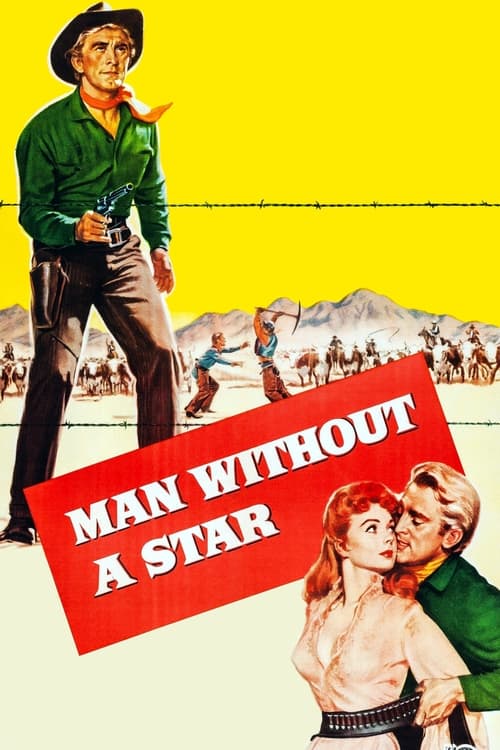
1955
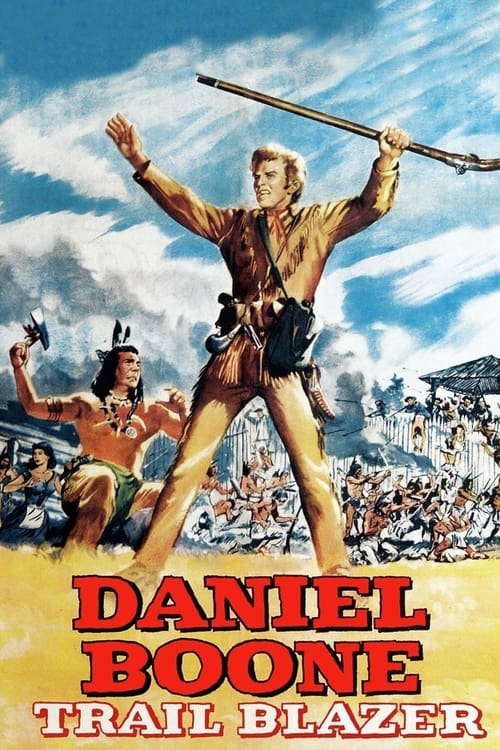
1956

1950
No reviews yet. Be the first to share your thoughts on this movie!
Use the rating form above to leave a star rating and optional review.