
Forbidden Women
1948
No user ratings available yet
Diversity score: 3.8 out of 10
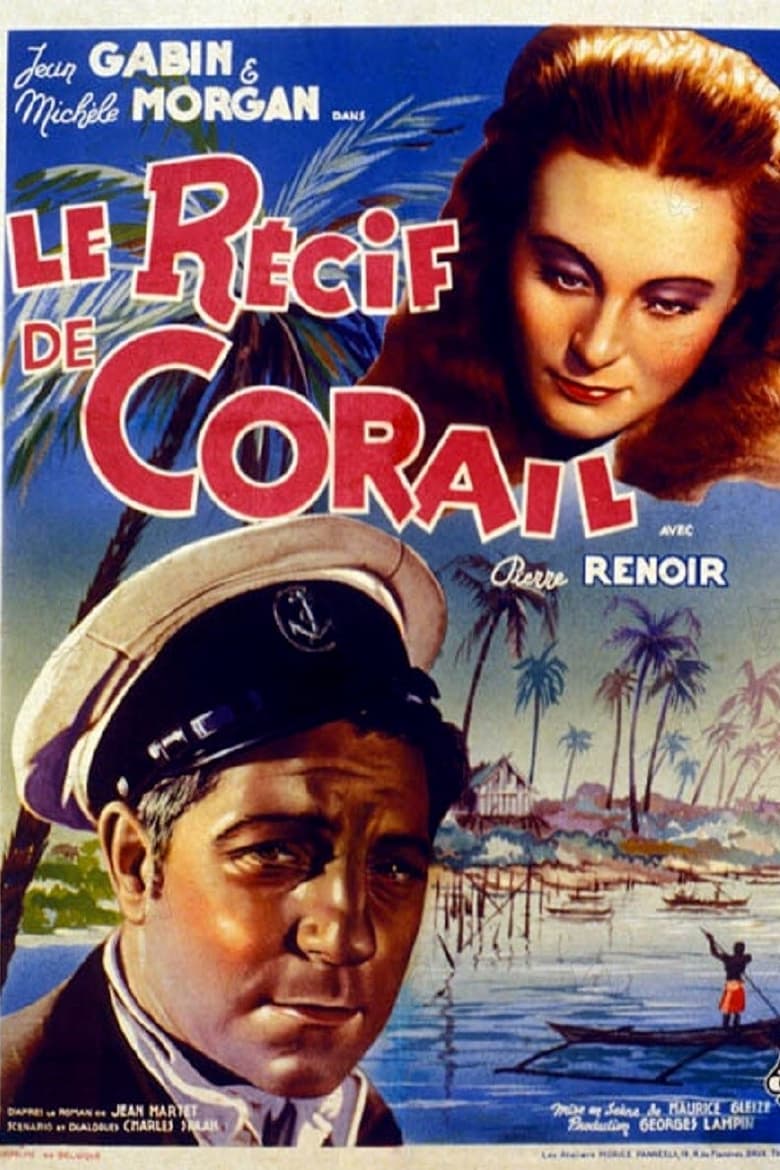
1939
Director
Maurice Gleize
Runtime
95 minutes
Average Rating
No ratings yetSynopsis
The adventures of a sailor from Mexico to a lagoon in the Pacific ocean, and the meeting with a lonely girl.
Overall Score
Limited
Category Breakdown
LGBTQ+ Representation
The narrative focuses on a romantic encounter between a Mexican sailor and a local woman. It adheres to the heteronormative conventions typical of 1930s adventure cinema.
Gender Representation
A 'lonely girl' serves as an emotional anchor in a Pacific lagoon. The plot structure relies on the male protagonist to drive the adventure forward.
Racial & Ethnic Diversity
The Mexican protagonist provides a departure from strictly Eurocentric narratives. However, the depiction of Pacific islanders remains unclear, leaving potential colonial archetypes unexamined.
Religious & Cultural Diversity
The film follows a traditional adventure paradigm centered on individualist heroism. It prioritizes romanticized exoticism over any systemic critique of power or institutions.
Disability Representation
No visible or invisible disabilities are identified within the primary character arcs.
Strengths
Areas for Improvement
AI Analysis
Coral Reefs operates as a standard adventure piece from the late 1930s. It utilizes a Mexican protagonist to move the story through different geographic spheres, offering a slight break from the era's typical Eurocentric focus. However, the film remains tethered to traditional hierarchies. The female character functions primarily as a catalyst for the male lead, and the narrative lacks any significant subversion of social or gender norms. Ultimately, the film leans into the romanticized tropes of its time rather than challenging them.
1948
1966
1956
1932
1941
1957
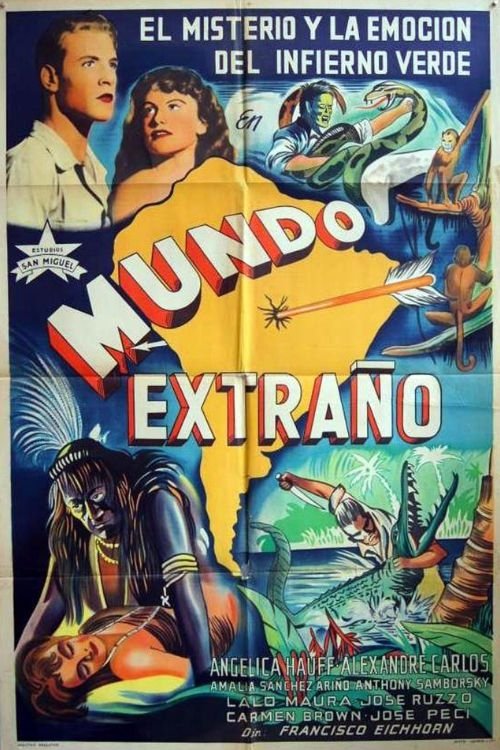
1950
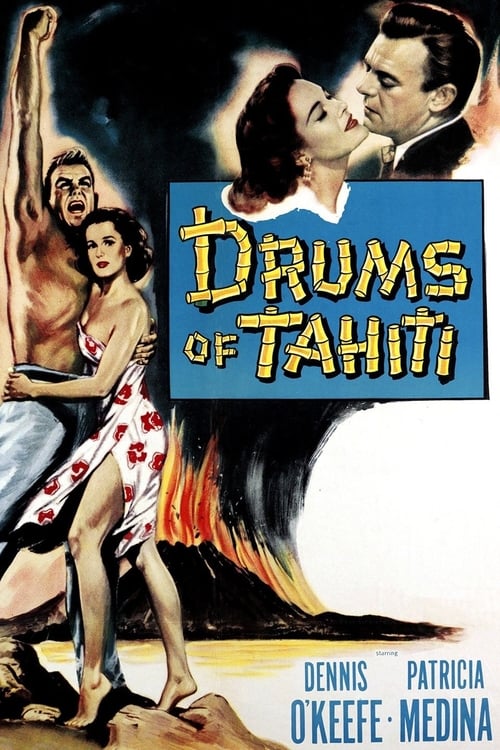
1954
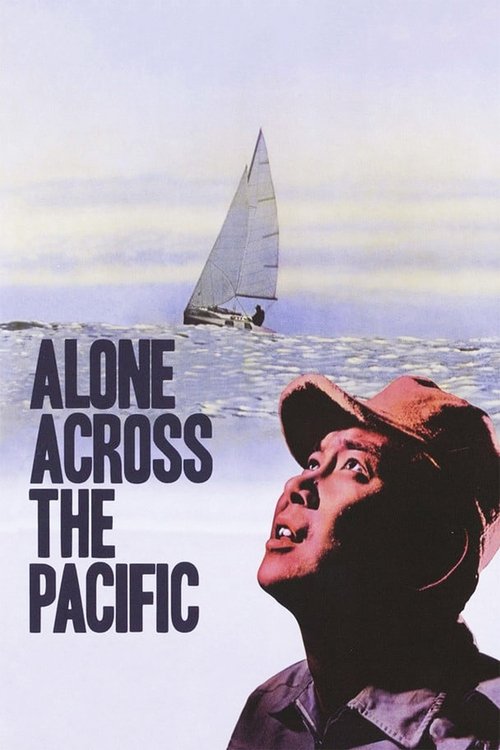
1963
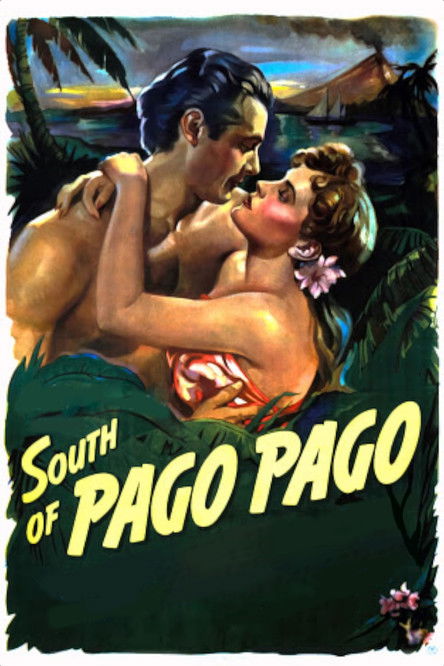
1940
1947
1931
No reviews yet. Be the first to share your thoughts on this movie!
Use the rating form above to leave a star rating and optional review.