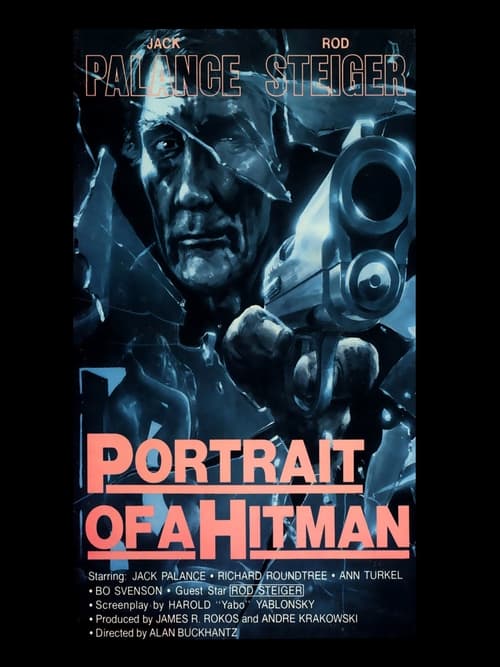
Portrait of a Hitman
1979
No user ratings available yet
Diversity score: 2.3 out of 10

1996
Director
Jang Hyeon-su
Runtime
110 minutes
Average Rating
No ratings yetSynopsis
Kil is a professional hitman, who leads a very lonely life composed of a pack of Marlboro, instant noodle, cash in the freezer, a knife, a motorcycle and Chichi, a pet monkey. But when he bumped into a beautiful call girl Suha, his life could never be the same.
Overall Score
Fair
Category Breakdown
LGBTQ+ Representation
The story centers on a heteronormative romantic connection between Kil and Suha. There is no evidence of queer subtext or non-cisnormative identities.
Gender Representation
The film follows a male protagonist whose life is transformed by a female character. It lacks evidence of female agency independent of the male lead's arc.
Racial & Ethnic Diversity
As a South Korean production, the film offers a non-Western setting and cast. This provides cultural specificity that avoids Western-centric homogeneity.
Religious & Cultural Diversity
The narrative explores urban loneliness and the fringes of capitalism through transient lifestyles. It focuses on individual struggle rather than systemic or political critique.
Disability Representation
The available information contains no mention of characters navigating physical, sensory, or neurodivergent disabilities.
Strengths
Areas for Improvement
AI Analysis
Born to Kill is a gritty 1990s noir that operates within the stylistic framework of urban alienation. While it offers a non-Western perspective through its South Korean origin, the narrative structure relies heavily on traditional cinematic tropes and archetypes. The film's character dynamics are largely conventional, focusing on a male hitman whose evolution is triggered by a female love interest. This creates a standard romantic structure that lacks significant subversion of gender hierarchies. Ultimately, the film serves as a genre-driven piece of its era. It provides cultural specificity through its setting but lacks the intentionality required for a more progressive or intersectional representation score.
1979

2013

2009
1995

2010

2011

1997

2003

2006

2006

1997

2012
No reviews yet. Be the first to share your thoughts on this movie!
Use the rating form above to leave a star rating and optional review.