Wushu
2008
No user ratings available yet
Diversity score: 4.4 out of 10
2009
Director
Lee Seong-han
Runtime
108 minutes
Average Rating
No ratings yetSynopsis
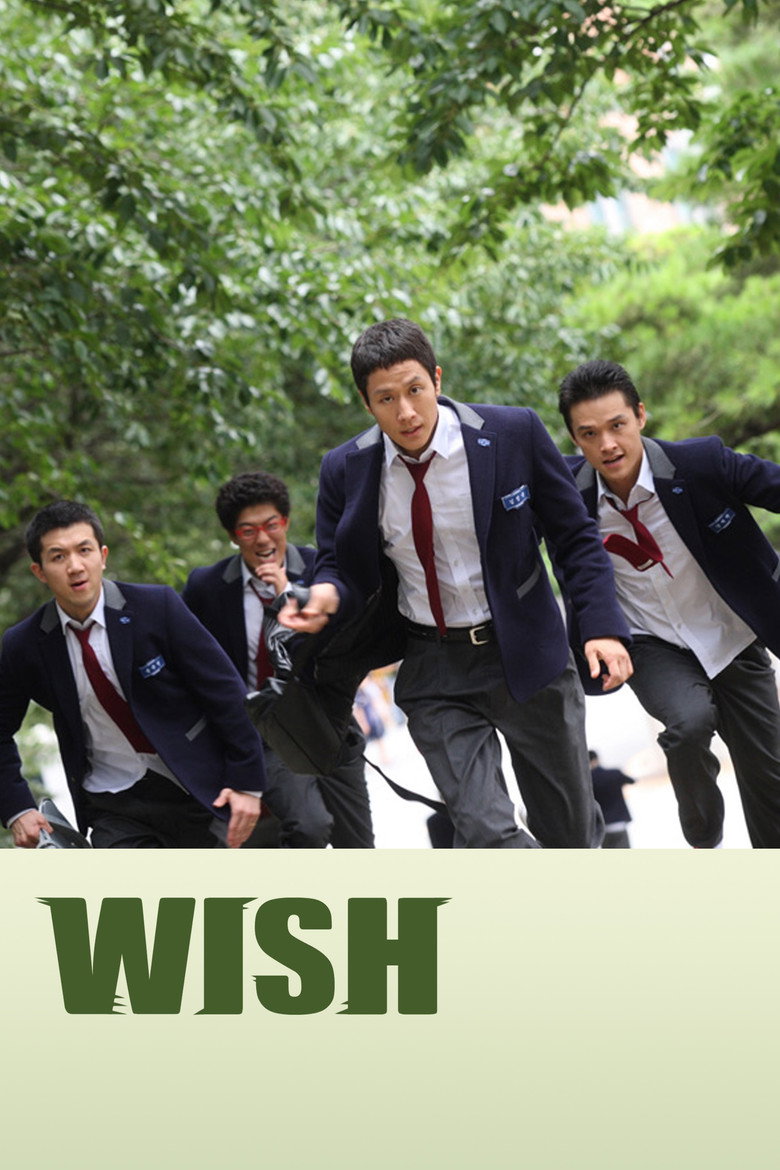
Jjang-gu joins "Monster," a violent organization at his high school. As a rite of passage, he learns a lesson about being a man while following the course.
Overall Score
Limited
Category Breakdown
LGBTQ+ Representation
The film centers on hyper-masculine social hierarchies within a high school setting. There is no evidence of non-cisnormative identities or narratives that critique heteronormativity.
Gender Representation
The narrative follows a traditional masculine coming-of-age arc focused on physical dominance. It reinforces traditional leadership and strength rather than subverting gender hierarchies.
Racial & Ethnic Diversity
As a South Korean production, the cast is likely ethnically homogeneous. The film functions as a culturally specific piece of media without multi-ethnic exploration.
Religious & Cultural Diversity
Thematic elements align with traditionalist views of social hierarchy and toughness. The story engages with established social structures of peer loyalty and hierarchical rites of passage.
Disability Representation
There is no mention of characters with visible or invisible disabilities in the narrative.
Strengths
Areas for Improvement
AI Analysis
Wish is a traditional genre piece that relies heavily on established tropes of masculine development. The story focuses on a high school student's journey through a violent organization to achieve manhood, prioritizing social hierarchy over diverse perspectives. The film reinforces conventional social norms rather than deconstructing them. By centering the plot on rites of passage and physical dominance, it maintains a narrow focus on traditionalist values and homogeneous social structures. Ultimately, the work lacks intersectional depth, functioning as a culturally specific action-drama that avoids exploring marginalized identities or systemic critiques.
2008

1996

2013
1997
1981
2012
1995
2014

2009
2007

1997
2011
No reviews yet. Be the first to share your thoughts on this movie!
Use the rating form above to leave a star rating and optional review.