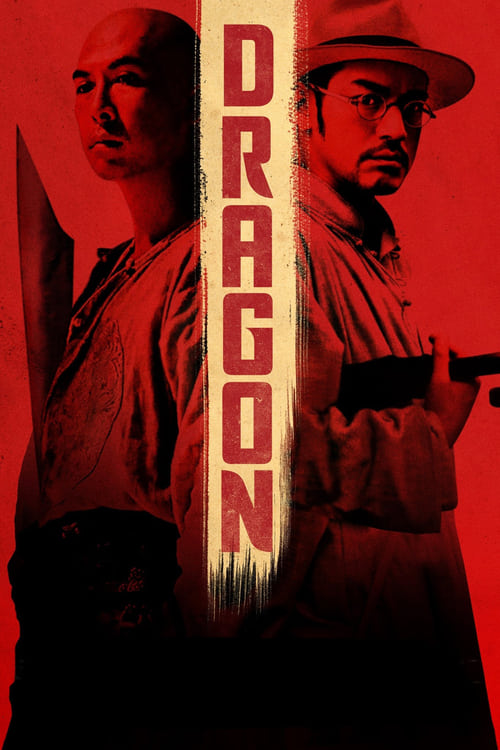
Dragon
2011
No user ratings available yet
Representation score: 4.4 out of 10
Representation Score
Limited
2010
RDirector
Song Hae-sung
Runtime
124 minutes
Average Rating
No ratings yetNew Showbiz Analysis
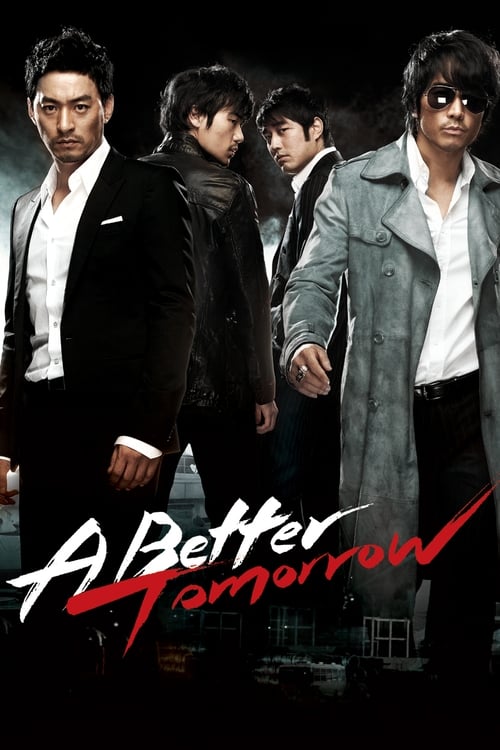
A Better Tomorrow is a character-driven drama that prioritizes a traditional masculine framework. The story's core tension relies on the rivalry between brothers, which limits the breadth of its social representation. While the film lacks diversity in gender and LGBTQ+ categories, it succeeds in providing a culturally specific South Korean perspective. It avoids Western narrative norms by focusing on local hierarchies and systemic corruption. The film's strength lies in its moral complexity. By deconstructing the binary of good versus evil, it offers a nuanced look at situational ethics and the breakdown of traditional family units.
Category Breakdown
The film focuses on a conflict between two male leads and does not include any non-traditional gender identities or stories that question the idea that everyone is straight or cisgender.
The plot centers around male archetypes, such as an idealistic policeman and a powerful gangster, emphasizing traditional male power dynamics and struggles.
As a South Korean production, the film centers on local social dynamics and power structures, contributing to global diversity by avoiding Anglo-centric storytelling.
The narrative explores moral relativism by pitting an idealist against a powerful antagonist, critiquing social stability through the lens of institutional failure and corruption.
There is no discernible evidence regarding the portrayal of physical or neurodivergent disabilities within the narrative.
Present on Screen
Limited or Absent
Official Synopsis
An idealistic policeman must bring down his estranged older brother, now a powerful gangster in a South Korean port city.
2011
2013
2009
2013

2019
2007

2006
2004
No reviews yet. Be the first to share your thoughts on this movie!
Use the rating form above to leave a star rating and optional review.