
Start-Up
2019
No user ratings available yet
Diversity score: 4.8 out of 10
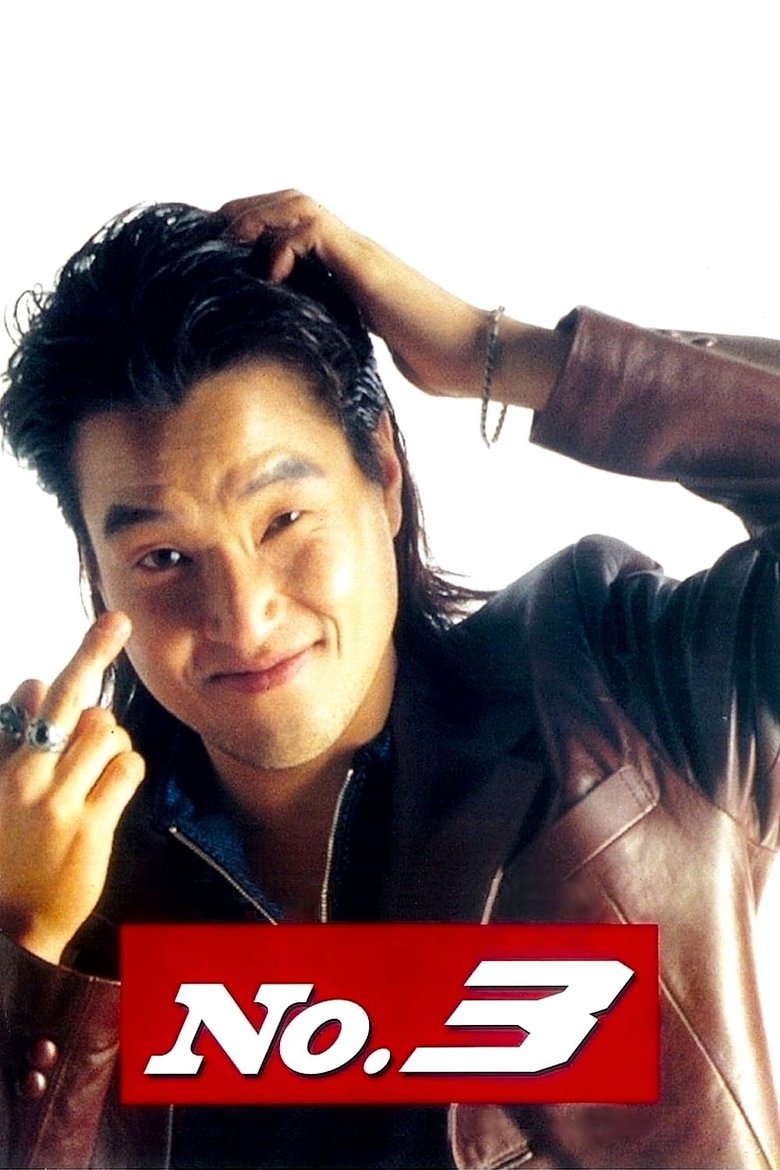
1997
Director
Song Neung-han
Runtime
108 minutes
Average Rating
No ratings yetSynopsis
Tae-joo manages to rise in rank in a gang for saving the boss's life. However, prosecutor Dong-pal appears in front of him as his sworn enemy. Meanwhile, Jo-pil wants to get rid of Tae-joo's gang, training for revenge. The three men's goals intertwine.
Overall Score
Limited
Category Breakdown
LGBTQ+ Representation
The film operates within a traditional masculine framework. There is no evidence of non-cisnormative identities or same-sex intimacy in the narrative.
Gender Representation
The story revolves entirely around male agency and power struggles. It reinforces traditional masculine hierarchies through themes of gang dominance and legal authority.
Racial & Ethnic Diversity
The production reflects the demographic reality of its South Korean context. It lacks evidence of intentional ethnic blending within the primary character arcs.
Religious & Cultural Diversity
The narrative explores tensions between organized crime and state institutions. It focuses on traditional notions of order rather than systemic critiques of religion or capitalism.
Disability Representation
There is no mention of characters possessing visible or invisible disabilities. No data is available regarding the portrayal of neurodivergence or physical impairment.
Strengths
Areas for Improvement
AI Analysis
No. 3 is a genre-driven exploration of masculine conflict and social positioning. The narrative architecture prioritizes the agency of male protagonists within a localized hierarchy, focusing on the friction between underground subcultures and institutional law. The film functions as a window into the specific cultural tensions of late-90s South Korea. However, it relies on established tropes of the action-comedy genre rather than attempting to subvert identity norms. Ultimately, the work lacks intentionality toward intersectional representation, centering instead on a triad of male characters driven by revenge, law, and gang politics.
No reviews yet. Be the first to share your thoughts on this movie!
Use the rating form above to leave a star rating and optional review.