
Crying Fist
2005
No user ratings available yet
Representation score: 4.6 out of 10
Representation Score
Fair
2013
PG-13Director
Ahn Kwon-tae
Runtime
108 minutes
Average Rating
No ratings yetNew Showbiz Analysis
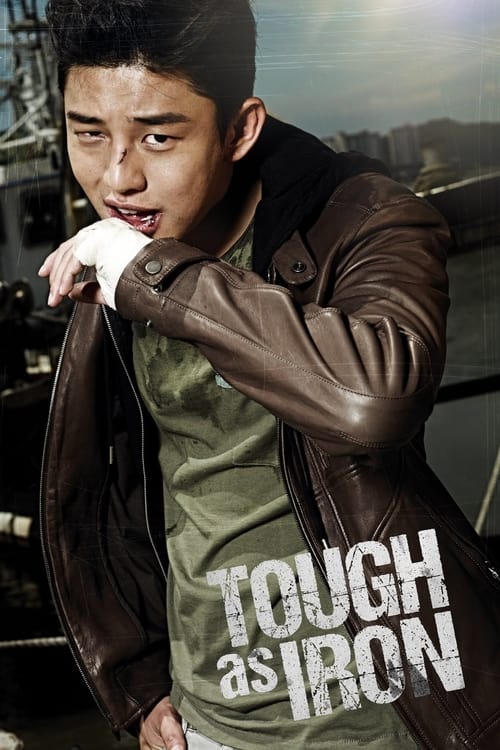
Tough as Iron adheres to conventional South Korean action-drama clichés, focusing on a street fighter's struggle to support his family. The narrative is centered around traditional masculine archetypes and themes of filial piety, reinforcing established social hierarchies. The film's representation is largely homogeneous, with a focus on local cultural values and a lack of multi-layered depth or diverse identity exploration. The narrative is built around the protagonist's journey within a patriarchal society, where his motivations are shaped by traditional roles of protection and provision. The central conflict is driven by a maternal illness used primarily as a plot device, highlighting the film's adherence to genre conventions.
Category Breakdown
The film centers on traditional masculine struggles and street fighting, with no visible representation of LGBTQ+ identities or narratives that question the assumption that everyone is straight or cisgender.
Male characters hold significant control over the narrative, navigating a violent, patriarchal society. A central mother figure reinforces traditional masculine roles.
The cast is predominantly composed of local actors reflecting the Busan setting, offering a localized cultural perspective rather than a multi-ethnic narrative.
Confucian values such as filial piety and familial duty are emphasized, prioritizing personal loyalty over broader social critiques.
A sick mother serves as the main plot driver, but her illness is used primarily as a device to fuel the protagonist's desperation rather than exploring disability in depth.
Present on Screen
Limited or Absent
Official Synopsis
Gang-cheol is a legendary street fighter in Busan who cleaned up his act to care for his sick mother. Knowing he's desperate for money for his mother's operation, Sang-gon proposes that Gang-cheol works for him.
2005
2004

2002
2013
2003

2020

2009

2016
No reviews yet. Be the first to share your thoughts on this movie!
Use the rating form above to leave a star rating and optional review.