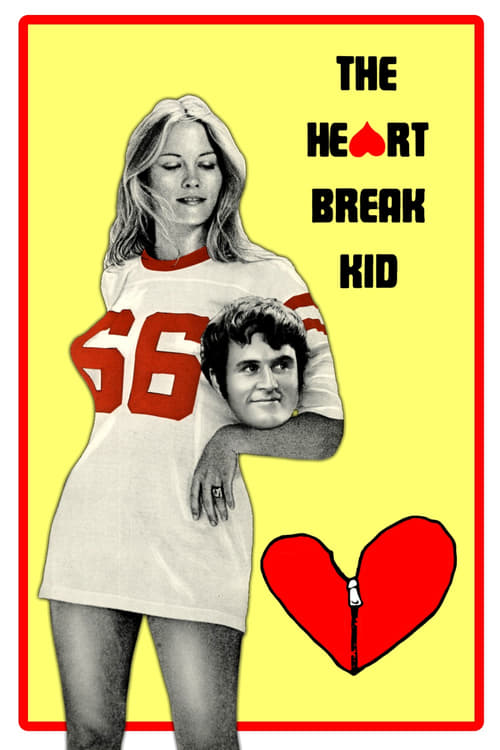
The Heartbreak Kid
1972
No user ratings available yet
Representation score: 4.4 out of 10

Representation Score
Minimal
1961
Director
Cyril Frankel
Runtime
89 minutes
Average Rating
No ratings yetNew Showbiz Analysis
Don't Bother to Knock is a product of its historical context, functioning as a conventional exploration of urban psychological tension. It does not actively seek to disrupt traditional social hierarchies or promote characters who reflect more than one aspect of diversity. The narrative focuses on individual psychological friction rather than systemic or identity-based power dynamics. Consequently, the work maintains a traditionalist framework with minimal engagement with progressive representational values.
Category Breakdown
The film operates within a strictly straight-centered framework. There are no depictions of non-traditional gender identities or same-sex relationships.
The narrative explores power imbalances through male dominance and female vulnerability. Female characters are often positioned as subjects of the male gaze.
The production reflects the demographic homogeneity of its era. The cast is primarily white with no evidence of diverse casting.
The film adheres to conventional Western social mores regarding romance. It lacks critique of Western institutions or traditional family structures.
Psychological instability is used as a plot driver rather than a nuanced portrayal of mental health. No characters with disabilities are portrayed with autonomy.
Present on Screen
Limited or Absent
Official Synopsis
An Edinburgh travel agent loses his keys and his fiancé in one night. A friend finds the keys and makes loads of copies with his address attached as a joke. She gives them to him as he leaves for a holiday. He gives the keys to several women he romances across the continent. He gets engaged again by phone and arranges to meet his fiancé at his flat, but the flat isn't empty...
1972

1946

1955
1948

1961
1976

1941

1952
No reviews yet. Be the first to share your thoughts on this movie!
Use the rating form above to leave a star rating and optional review.