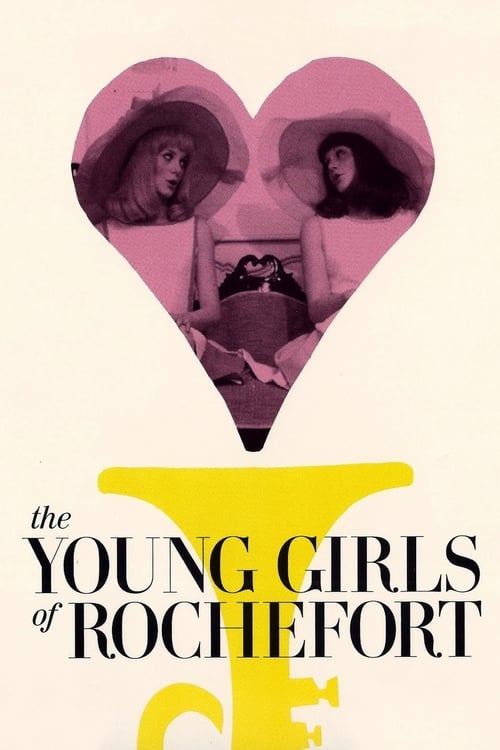
The Young Girls of Rochefort
1967
No user ratings available yet
Representation score: 4.6 out of 10
Representation Score
Limited
1966
Director
Julián Soler
Runtime
87 minutes
Average Rating
No ratings yetNew Showbiz Analysis
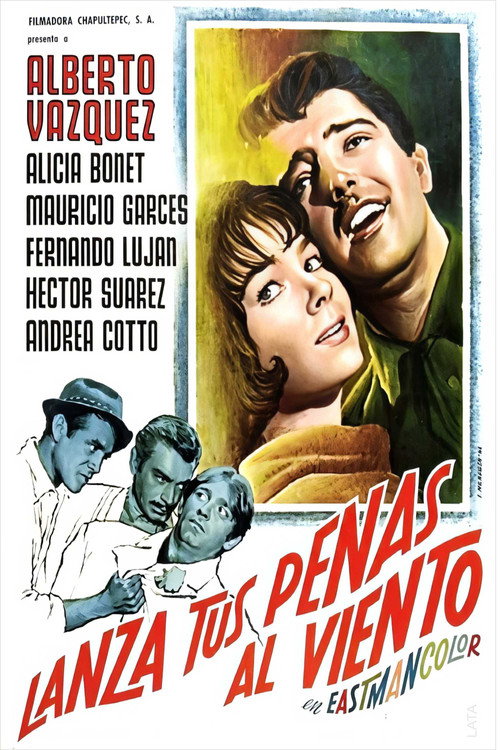
Lanza tus penas al viento is a product of its time, using a traditional comedic-dramatic framework. The narrative structure emphasizes conventional social hierarchies and male-centric viewpoints, offering limited complexity in representing diverse identities. The film's focus on a group of male art students reinforces mid-century social hierarchies. This structure limits the roles of female characters and avoids challenging established cultural norms. While the production includes a non-Anglo-Saxon perspective through its Mexican cast, it lacks the multi-layered depth or systemic critique found in more progressive works.
Category Breakdown
The film focuses on a male-dominated apartment setting, suggesting a traditional emphasis on heterosexual relationships. There is no clear representation of non-straight identities or critiques of societal norms.
Narrative control is primarily held by a group of male art students. Although there are female actors, women may play secondary or decorative roles within the romantic comedy framework.
As a Mexican production, the film includes a non-Anglo-Saxon cast. However, the casting follows the homogeneous ethnic patterns typical of the domestic film industry in 1966.
The bohemian setting of art students adheres to the social and moral norms of 1960s Mexico. The story focuses on individual romantic struggles without critiquing broader societal structures.
There is no evidence of physical or neurodivergent disabilities being portrayed in this production.
Present on Screen
Limited or Absent
Official Synopsis
Four guys share an apartment while attending art-school.
1967
1978
1973

2006
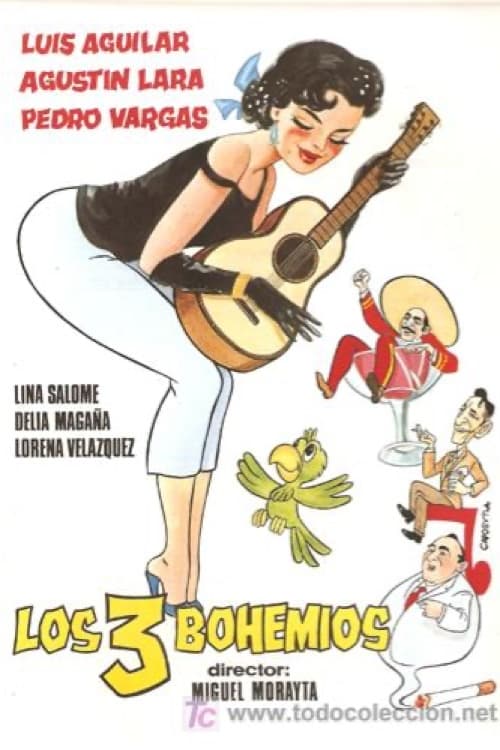
1957

1964
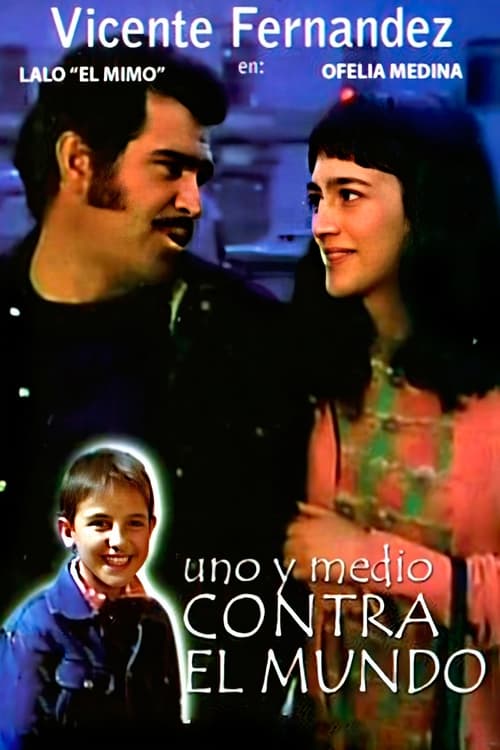
1973
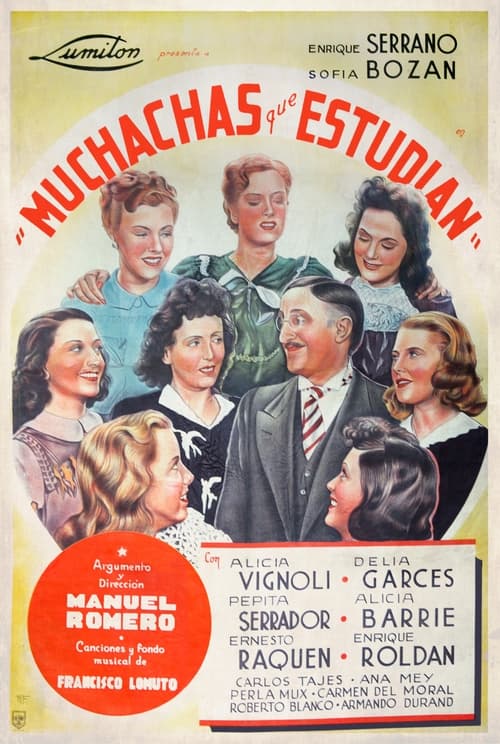
1939
No reviews yet. Be the first to share your thoughts on this movie!
Use the rating form above to leave a star rating and optional review.