
The Shaolin Plot
1977
No user ratings available yet
Diversity score: 3.3 out of 10
1976
Director
Sung Ting-Mei
Runtime
90 minutes
Average Rating
No ratings yetSynopsis
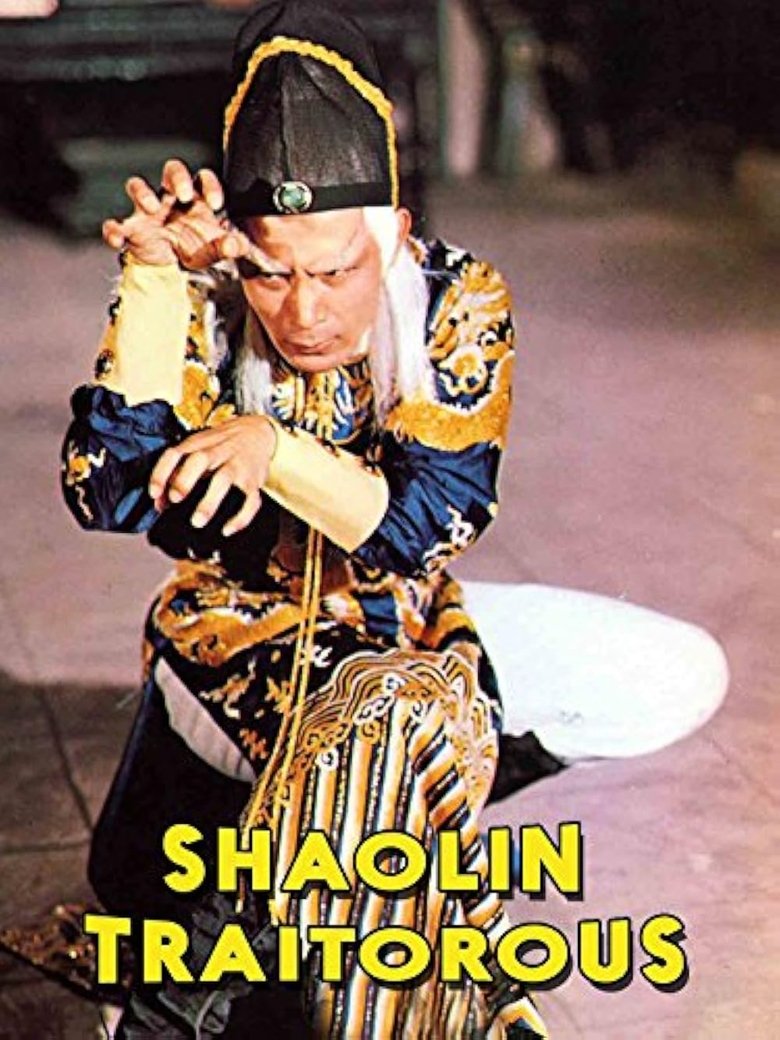
The plot is a standard revenge tale told in a concise manner that involves a boy witnessing his parents' murder at the hands of corrupt officials and growing up to achieve vengeance. The boy goes to Shaolin Temple to learn kung fu in a superb training sequence that ranks with some of the better-known Shaolin Temple scenes in kung fu cinema. By the time the boy has completed his training, he has grown up to be Carter Wong and soon sets out on his mission. He meets Polly Shang Kwan along the way and, after some initial antagonism, the two become allies and confront the villains. The bad guys employ a particularly clever maneuver involving dozens of imperial guardsmen performing a variety of formations on cue (including standing on each other's shoulders, three men high) as Sammo Hung bangs out different drumbeats. Sammo and Carter engage in a particularly exciting bout against the backdrop of a mountainous landscape midway through the film.
Overall Score
Fair
Category Breakdown
LGBTQ+ Representation
The film follows a traditional revenge arc centered on a heterosexual partnership. There is no evidence of queer subtext or non-cisnormative identities within the interpersonal dynamics.
Gender Representation
Polly Shang Kwan acts as an ally with functional agency in the fight against villains. However, the plot is driven by a male protagonist within a standard 1970s gender hierarchy.
Racial & Ethnic Diversity
The cast is ethnically homogeneous, centering on imperial Chinese history and Shaolin traditions. This provides a narrative space that exists outside of Western-centric storytelling frameworks.
Religious & Cultural Diversity
The story explores themes of systemic injustice and corrupt officialdom. It frames morality through a traditional cycle of retribution rather than deconstructing modern Western or capitalist institutions.
Disability Representation
No visible or invisible disabilities are portrayed as central to the character arcs or the plot development.
Strengths
Areas for Improvement
AI Analysis
Shaolin Traitorous is a classic martial arts revenge tale that prioritizes genre tropes and kinetic choreography over social subversion. While it offers strong cultural specificity through its Shaolin setting and historical Chinese context, it remains firmly rooted in the social hierarchies of its era. The film provides some agency to its female characters, yet the narrative structure remains centered on male-driven vengeance. The lack of diverse identity representation or non-traditional social dynamics keeps the film within the established boundaries of 1970s action cinema. Ultimately, the film succeeds as a culturally specific genre piece but does not attempt to challenge or expand upon the period's standard gender or social norms.
1977
1976
1979
1982

1965

1978
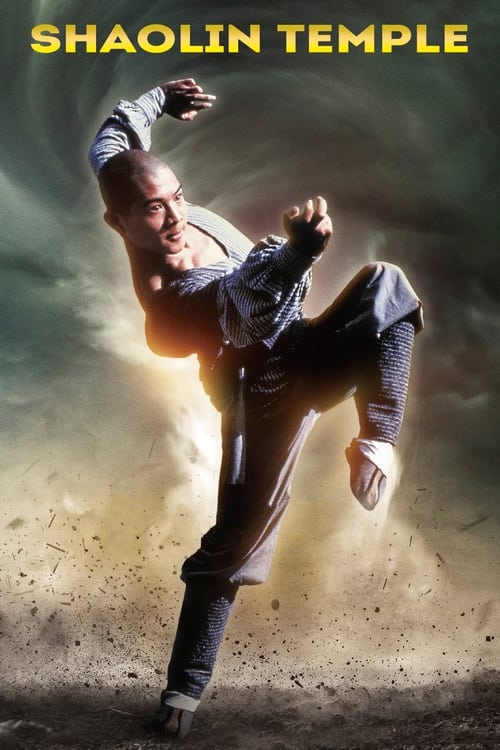
1982
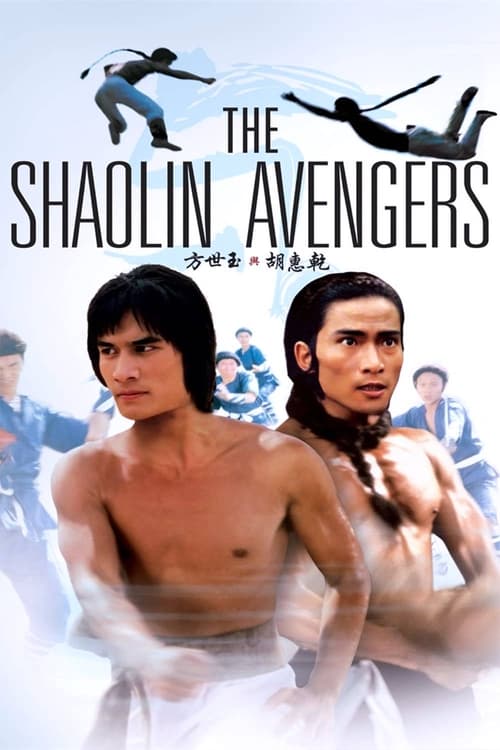
1976

1981
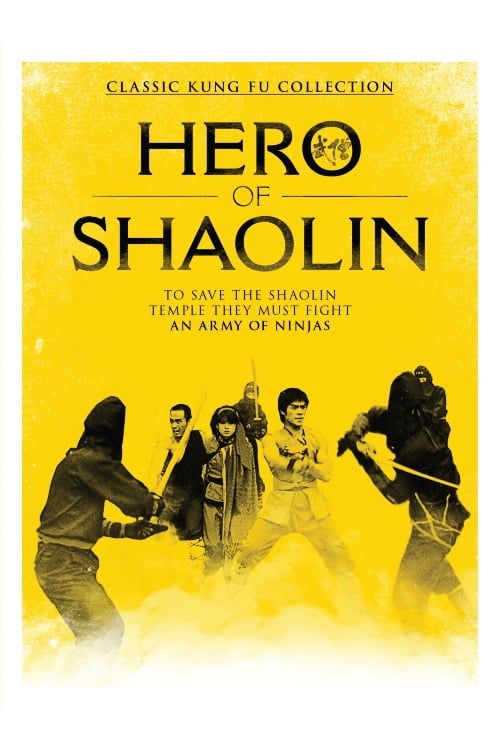
1984
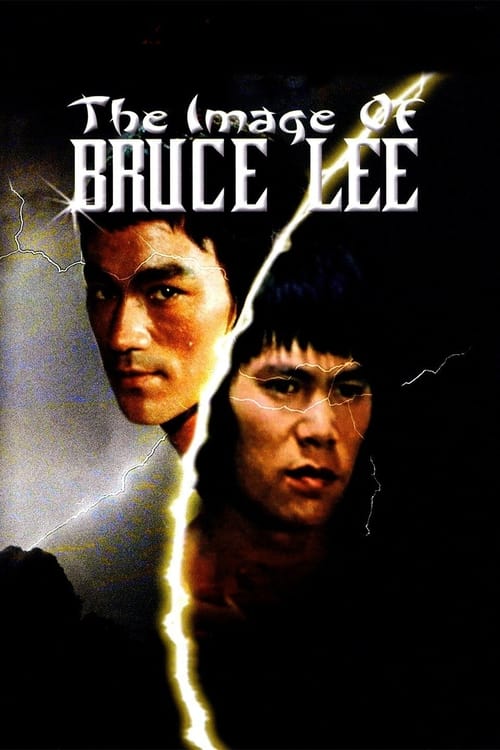
1978
1973
No reviews yet. Be the first to share your thoughts on this movie!
Use the rating form above to leave a star rating and optional review.