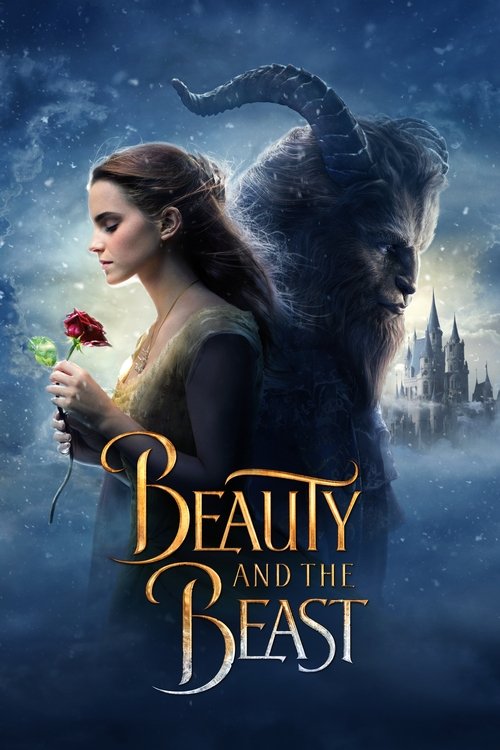
Beauty and the Beast
2017
No user ratings available yet
Representation score: 6.5 out of 10
Representation Score
Fair
1991
GDirector
Gary Trousdale, Kirk Wise
Runtime
84 minutes
Average Rating
No ratings yetNew Showbiz Analysis
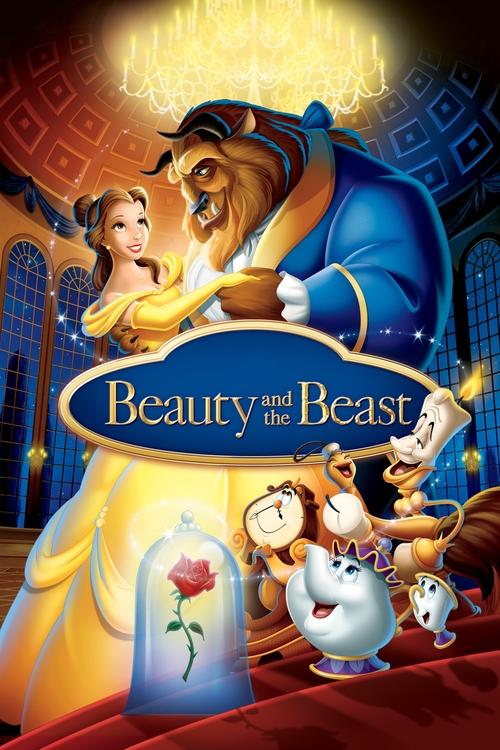
Beauty and the Beast is a transitional animated work that excels in challenging traditional gender roles. By highlighting Belle’s intelligence and autonomy, the film moves away from passive female archetypes and critiques toxic masculinity through the character of Gaston. However, the film remains limited in its broader social scope. It lacks significant representation of LGBTQ+ identities and racial diversity, adhering to a traditional Western framework and the historical homogeneity of its setting. Ultimately, the narrative prioritizes internal character development over external social critique, making it progressive in its gender politics but traditional in its cultural representation.
Category Breakdown
The film follows a strictly straight-centered framework, with no depictions of same-sex intimacy or non-cisgender identities. The romantic storyline focuses entirely on the central heterosexual couple.
Belle is an intellectual and moral leader, playing a significant role in driving the story. The film challenges traditional masculinity by depicting Gaston’s hyper-masculinity as predatory and self-centered.
Reflecting 18th-century France, the cast remains predominantly white and historically uniform. The enchanted staff members serve as symbolic representations rather than indicators of racial or ethnic diversity.
The story operates within a Western framework, emphasizing personal redemption and growth. It critiques mob mentality while maintaining traditional views on romantic relationships.
The Beast’s physical condition symbolizes emotional struggle and social reintegration. The portrayal highlights his active role in seeking redemption through a fantastical lens.
Present on Screen
Limited or Absent
Official Synopsis
Follow the adventures of Belle, a bright young woman who finds herself in the castle of a prince who's been turned into a mysterious beast. With the help of the castle's enchanted staff, Belle soon learns the most important lesson of all -- that true beauty comes from within.
2017
1994

1959
2005
2002
2006
1992
1990
No reviews yet. Be the first to share your thoughts on this movie!
Use the rating form above to leave a star rating and optional review.