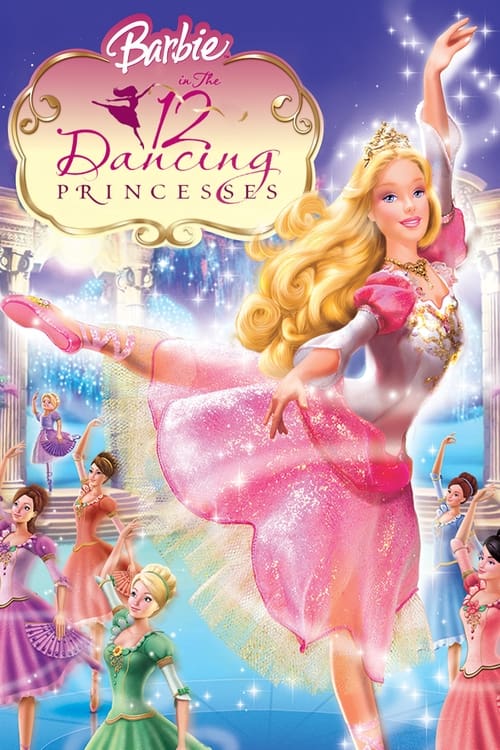
Barbie in the 12 Dancing Princesses
2006
No user ratings available yet
Representation score: 1.7 out of 10
Representation Score
Excellent
2005
GDirector
Walter P. Martishius, William Lau
Runtime
70 minutes
Average Rating
No ratings yetNew Showbiz Analysis
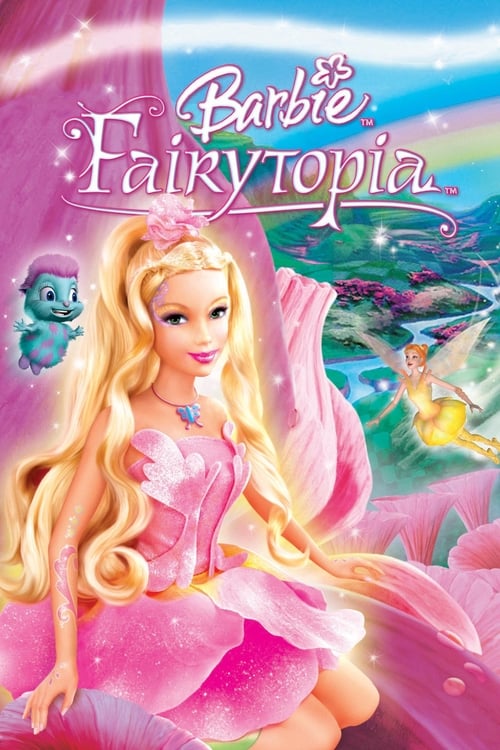
Barbie: Fairytopia stands out in its portrayal of women's ability to drive the story and physical difference. By focusing on a protagonist who cannot fly, the film offers a unique perspective on navigating the world through alternative means. This approach provides a progressive framework for young viewers. However, the film adheres to traditional fantasy binaries. The conflict follows a standard good-versus-evil structure, and the absence of explicit LGBTQ+ representation keeps the social landscape somewhat conventional. The use of magical species serves as a proxy for diversity, though it avoids the complexities of human ethnic representation. Ultimately, the film succeeds by emphasizing environmental interconnectedness and female-driven leadership. It replaces traditional clichés with a narrative of resilience and communal protection.
Category Breakdown
The story highlights platonic friendships and female camaraderie. The magical environment allows for non-traditional social structures, but there is no direct depiction of queer identity or romantic relationships.
Elina acts as a proactive protagonist who drives the plot through her own actions. The film emphasizes female leadership and resilience, moving away from the traditional damsel in distress cliché.
The film uses diverse magical beings and non-human species to represent various identities. This approach transcends human racial categories, offering a broad spectrum of visual identities.
Themes of environmental stewardship and collective responsibility are central to the narrative. The plot focuses on protecting a communal meadow from systemic disruption and unchecked power.
Elina’s inability to fly sets her apart from the dominant social group. The story portrays her physical difference as a catalyst for heroism rather than a deficit to be fixed.
Present on Screen
Limited or Absent
Official Synopsis
Elina is a flower fairy who discovers that her home of Magic Meadow has been overcome by a horrible malady that is killing the flowers and making the fairies unable to fly. With the help of Bibble, a puffball and a giant butterfly named Hue she attempts to find Azura, a Guardian Fairy. She's challenged along the way by the evil Laverna who wants to usurp the Enchantress, the ruler of Fairytopia.
2006
2007

2003
2005
2008
2008
2012
2002
No reviews yet. Be the first to share your thoughts on this movie!
Use the rating form above to leave a star rating and optional review.