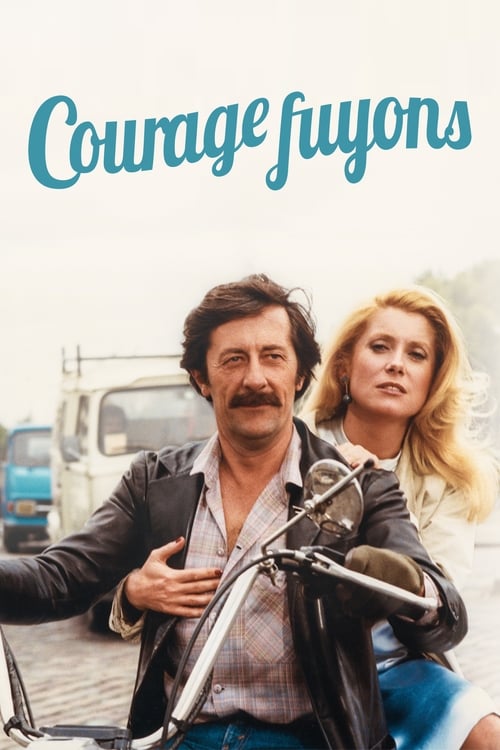
Courage fuyons
1979
No user ratings available yet
Diversity score: 3.7 out of 10
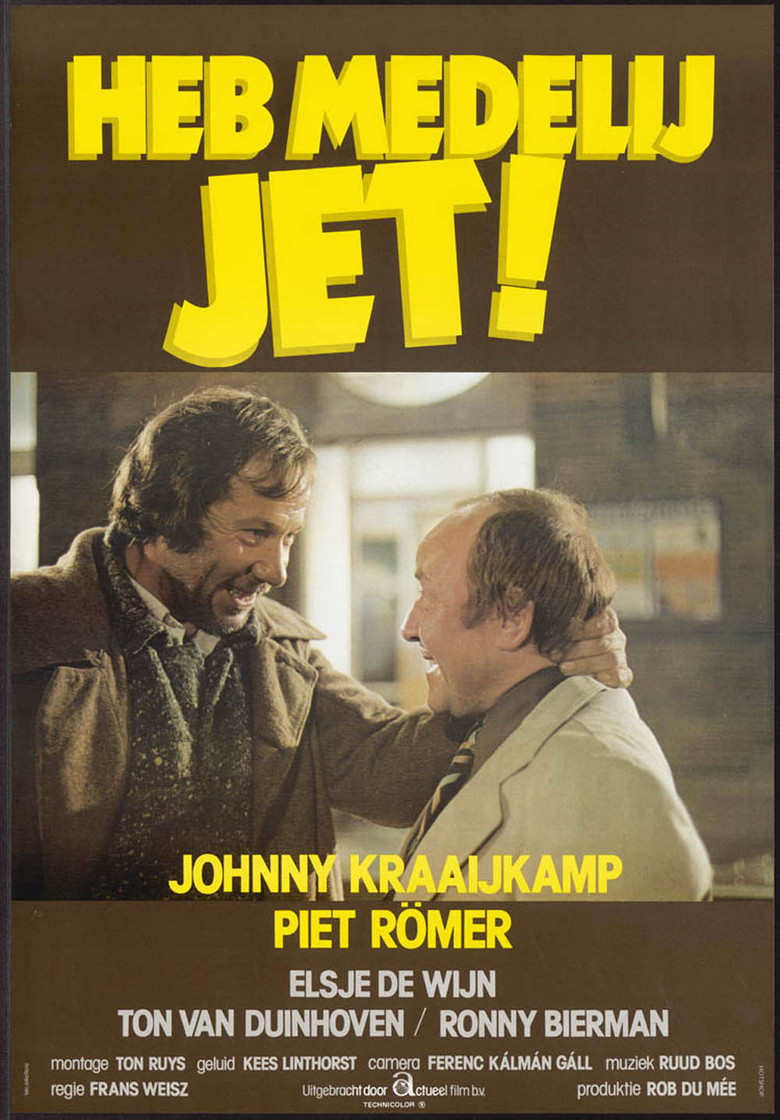
1975
Director
Frans Weisz
Runtime
97 minutes
Average Rating
No ratings yetSynopsis
Tim, now a respectable family man, runs into his old buddy Bodde. Bodde convinces Tim to go out with him under the motto: "Laugh, laugh, laugh!" Tim calls his wife to tell her "he'll be a little late," while Bodde keeps persuading him to stay with him for a new deal or a wonderful plan, and so they roam the country. Along the way, they swindle money from everyone and meet the young, beautiful Aafke. Isn't Tim too old for all this?
Overall Score
Limited
Category Breakdown
LGBTQ+ Representation
The film lacks LGBTQ+ characters or narratives exploring non-heteronormative identities. The story focuses on traditional male bonding and heteronormative romantic interests.
Gender Representation
While the film deconstructs the 'respectable family man' archetype, female characters like Aafke and Tim's wife function mostly as objects of desire or domestic anchors. They lack significant agency in driving the plot.
Racial & Ethnic Diversity
The narrative reflects a relatively homogeneous social environment typical of its 1975 Dutch origin. There is no indication of a diverse cast or characters challenging systemic power dynamics.
Religious & Cultural Diversity
The film celebrates anti-social behavior and moral relativism. By framing swindling as a vehicle for liberation, it disrupts traditional Western values regarding honesty and civic duty.
Disability Representation
There is no documented evidence regarding the inclusion of characters with visible or invisible disabilities.
Strengths
Areas for Improvement
AI Analysis
The film operates as a character study centered on social transgression rather than identity politics. It finds its progressive edge by critiquing middle-class rigidity and celebrating the subversion of social norms through opportunistic behavior. However, the work lacks intersectional breadth. The narrative architecture remains largely homogeneous, focusing on a localized journey that misses opportunities for racial, gender, or LGBTQ+ representation. Ultimately, the film's strength lies in its rejection of bourgeois respectability, even as it relies on traditional gender roles and a narrow social lens.
1979

2018

1970
1985
1967

2004
1972
1965

1979
1972
1977
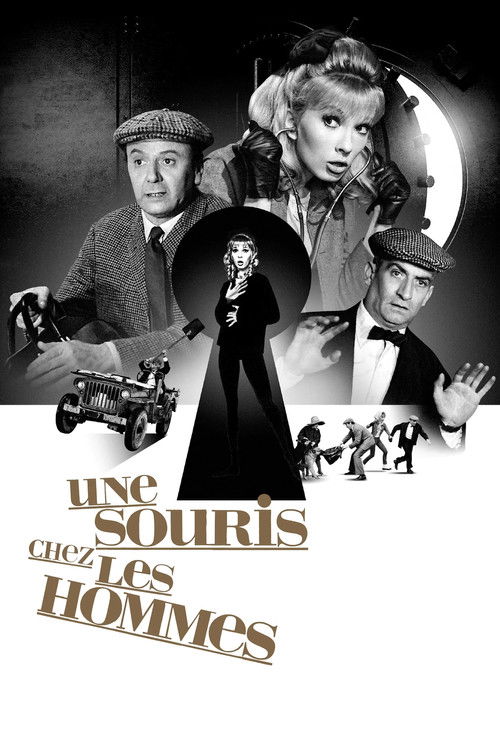
1964
No reviews yet. Be the first to share your thoughts on this movie!
Use the rating form above to leave a star rating and optional review.