The Devil by the Tail
1969
No user ratings available yet
Diversity score: 3.2 out of 10
1967
NRDirector
Irvin Kershner
Runtime
104 minutes
Average Rating
No ratings yetSynopsis
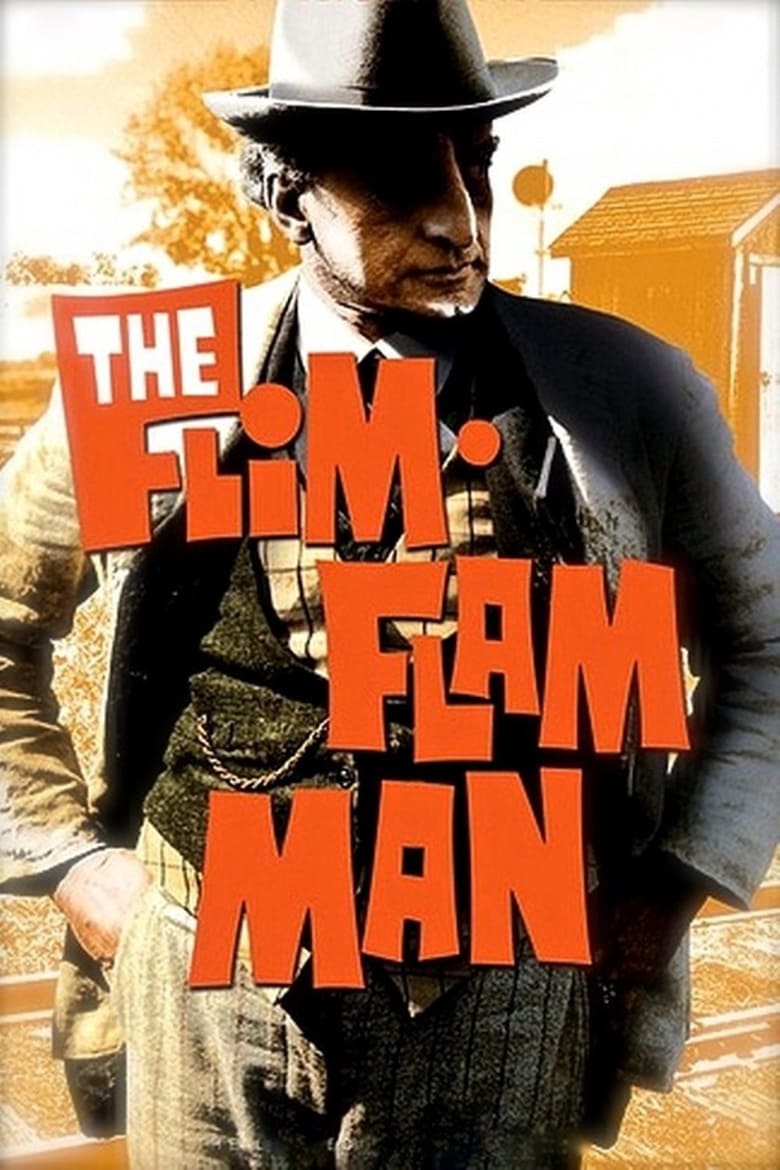
A veritable master of the trade, con man Mordecai Jones has taken part in his fair share of scams. When he happens upon a young army deserter, Curley, Jones decides to pass on his knowledge of swindling to the likable novice. As the two blaze through the rural South, Curley meets Bonnie Lee Packard, a girl of privilege, who helps the two crooks evade the local sheriff. But Curley soon questions his newfound profession.
Overall Score
Limited
Category Breakdown
LGBTQ+ Representation
The film contains no LGBTQ+ characters or non-heteronormative identities. The narrative remains strictly within traditional 1960s social structures without queer subtext.
Gender Representation
The story is heavily male-centric, focusing on the mentorship between the two leads. While Bonnie Lee Packard shows agency, she primarily serves as a catalyst for the male protagonist's growth.
Racial & Ethnic Diversity
Set in the rural South, the film features a predominantly white, homogeneous cast. There is a lack of intersectional representation or non-white characters with high agency.
Religious & Cultural Diversity
The film explores moral relativism through the lens of professional swindlers. It avoids a simple good-versus-evil binary, though it lacks a systemic critique of Western institutions.
Disability Representation
No visible or invisible disabilities are portrayed within the central character arcs. The film does not engage with neurodivergence or physical disability.
Strengths
Areas for Improvement
AI Analysis
The film functions as a period-accurate character study that prioritizes mid-century social norms. It excels at deconstructing the hero archetype through its anti-social protagonists but lacks modern intersectional depth. While the narrative offers a sophisticated look at situational ethics and moral ambiguity, it remains tethered to traditional storytelling structures. The focus stays on male-driven dynamics and a homogeneous social landscape. Ultimately, the work reflects the era's social constraints rather than attempting to disrupt them. It provides a window into 1960s character archetypes without addressing broader systemic diversity.
1969
1960
1954
1965
1958
1967
1961
1963
1958
1960
1976
1983
No reviews yet. Be the first to share your thoughts on this movie!
Use the rating form above to leave a star rating and optional review.