Twilight
1990
No user ratings available yet
Diversity score: 4.3 out of 10

2002
UnratedDirector
György Pálfi
Runtime
78 minutes
Average Rating
No ratings yetSynopsis
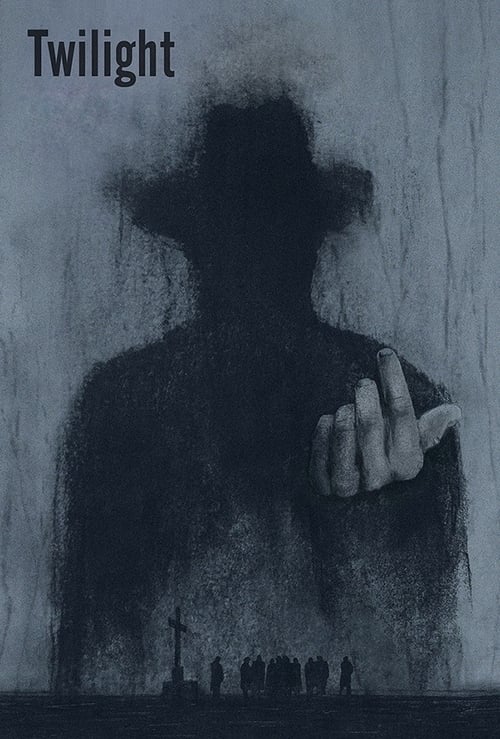
Using almost no dialogue, the film follows a number of residents (both human and animal) of a small rural community in Hungary – an old man with hiccups, a shepherdess and her sheep, an old woman who may or may not be up to no good, some folk-singers at a wedding, etc. While most of the film is a series of vignettes, there is a sinister and often barely perceptible subplot involving murder.
Overall Score
Fair
Category Breakdown
The film focuses on primal, sensory experiences within a rural community. There is no discernible evidence of LGBTQ+ characters or narratives addressing non-heteronormative identities.
The narrative leans toward a male-centric perspective through the young protagonist. While female figures like a shepherdess appear, the lack of dialogue limits the exploration of complex gender hierarchies.
Set in rural Hungary, the film reflects a localized, homogeneous ethnic context. It remains consistent with its specific geographic milieu without utilizing diverse casting to challenge the status quo.
The film disrupts Western storytelling by eschewing traditional moral frameworks. It prioritizes subjective sensory truths over singular religious or state-sanctioned morality through a postmodern lens.
There is no explicit evidence of characters with diagnosed physical or neurodivergent disabilities. The focus on heightened sensory perception remains an interpretive subtext rather than a documented narrative pillar.
Strengths
Areas for Improvement
Score Reasoning
Hukkle is a formalist exercise in postmodern surrealism that prioritizes sensory subjectivity over institutional morality. It challenges mainstream cinematic structures by abandoning traditional linear causality and clear-cut archetypes. However, the film lacks explicit engagement with intersectional identity markers. Its focus on a localized Hungarian setting and a male-centric perspective results in limited demographic diversity. Ultimately, the work's progressive value lies in its narrative deconstruction rather than overt identity politics or representative casting.
No reviews yet. Be the first to share your thoughts on this movie!
Use the rating form above to leave a star rating and optional review.