Dreams of a Life
2011
No user ratings available yet
Representation score: 8.8 out of 10
Representation Score
Good
2011
Director
Milcho Manchevski
Runtime
123 minutes
Average Rating
No ratings yetNew Showbiz Analysis
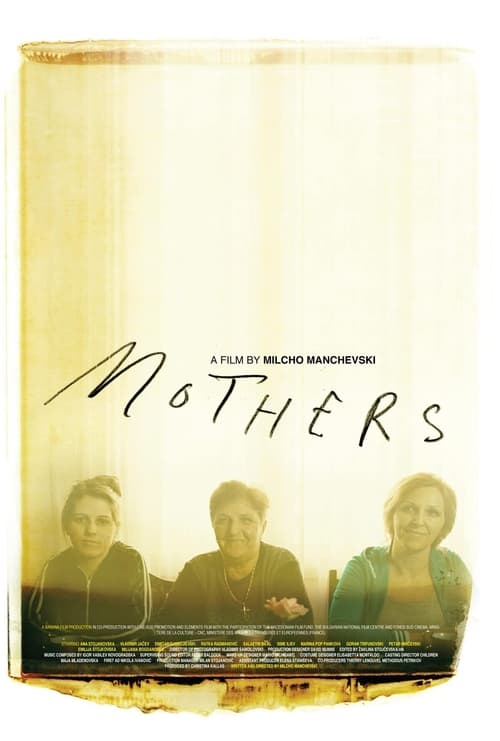
Milcho Manchevski’s *Mothers* serves as a critique of social norms rather than a celebration of demographic diversity. Its strength lies in its thematic structure, which challenges traditional hierarchies and institutional reliability through a fragmented, non-linear narrative. While the film does not explicitly represent LGBTQ+ identities or diverse racial mixing, it successfully shifts the cinematic focus towards the lived experiences of women. It moves away from traditional masculine protection narratives to highlight the struggles of women. Overall, the film offers a localized, culturally specific exploration of a Balkan setting, prioritizing the breakdown of communal bonds and subjective morality over broad, multi-layered demographic inclusion.
Category Breakdown
The film does not focus on LGBTQ+ identities or non-traditional gender expressions. It avoids typical romantic clichés but does not include characters who challenge the assumption that everyone is straight or cisgender or have diverse sexual orientations.
The movie centers on the experiences and traumas of women, disrupting traditional gender hierarchies. By highlighting female empowerment in the face of systemic violence, it shifts the narrative focus away from conventional male leadership roles.
Set in Macedonia, the film showcases a specific, non-Anglo-Saxon cultural context. However, it does not incorporate multi-layered racial diversity, limiting its overall representation of various ethnicities.
The film questions the stability of traditional social institutions and the sanctity of the family unit. It portrays these institutions as unreliable or corrupt through a skeptical lens.
The film does not depict characters with visible or invisible disabilities. Instead, it focuses on psychological trauma without representing individuals with disabilities.
Present on Screen
Limited or Absent
Official Synopsis
Two nine-year-old girls report a flasher to the police even though they never saw him. Three filmmakers meet the only residents of a deserted village - an elderly brother and sister who have not spoken to each other in 16 years. Retired cleaning women are found raped and strangled in a small town. The fiction slowly turns into a documentary.
2011
1999
2016
2023

2013
2015
2010
2010
No reviews yet. Be the first to share your thoughts on this movie!
Use the rating form above to leave a star rating and optional review.