This Happy Life
1944
No user ratings available yet
Diversity score: 5.5 out of 10
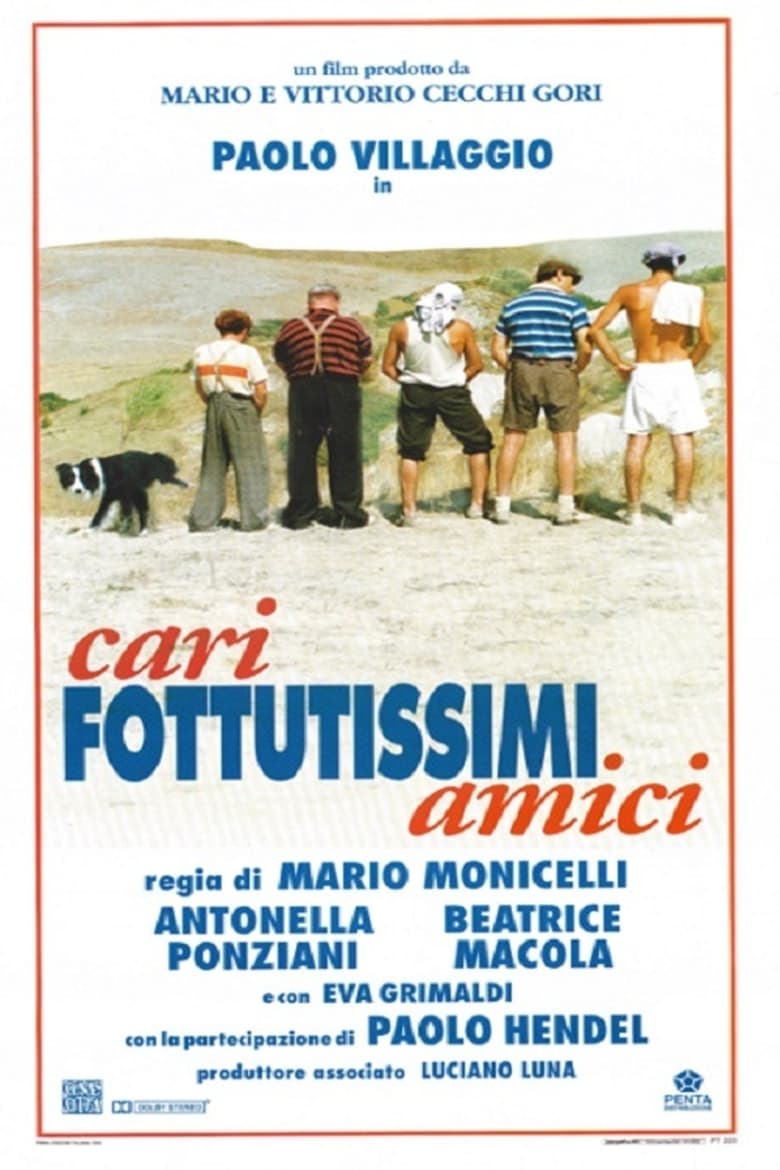
1994
Director
Mario Monicelli
Runtime
118 minutes
Average Rating
No ratings yetSynopsis
In 1944 in Tuscany, a group of boxers facing the disasters of the Second World War, during the intrusive presence of the Germans and the Americans, organizes rigged matches to make some money and travel from town to town, hoping to participate in local fairs. A young black American soldier, believed missing, and a girl who refused to marry accompany the ramshackle group.
Overall Score
Good
Category Breakdown
LGBTQ+ Representation
The film focuses on individuals operating outside conventional social stability. However, there is no explicit evidence of queer character arcs or non-cisnormative identities.
Gender Representation
A female protagonist asserts her autonomy by resisting traditional marriage. This positioning disrupts conventional gender hierarchies and explores agency within a restrictive historical context.
Racial & Ethnic Diversity
The inclusion of a Black American soldier provides a significant intersectional layer. This presence disrupts the expected homogeneity of a European wartime narrative.
Religious & Cultural Diversity
The narrative uses moral relativism to frame survival mechanisms as necessary rather than immoral. It critiques systemic failures by showing the breakdown of traditional institutions.
Disability Representation
There is no discernible evidence regarding the depiction of physical or neurodivergent disabilities in this work.
Strengths
Areas for Improvement
AI Analysis
Mario Monicelli’s film is a sophisticated study of systemic instability set in 1944 Tuscany. By centering on characters living on the periphery of respectable society, the narrative avoids idealized heroism in favor of gritty realism. The film successfully challenges traditional social hierarchies through its diverse cast. The inclusion of a displaced Black soldier and a woman resisting domesticity provides a nuanced, non-Anglo-centric perspective on the wartime experience. While the film excels at exploring situational ethics and individual agency, it lacks specific representation for LGBTQ+ identities and disabilities. This limits the scope of its social critique despite its strong cultural commentary.
1944
1948
1956
1997
1946
1971
1955
1974
1939

1962
1969

1990
No reviews yet. Be the first to share your thoughts on this movie!
Use the rating form above to leave a star rating and optional review.