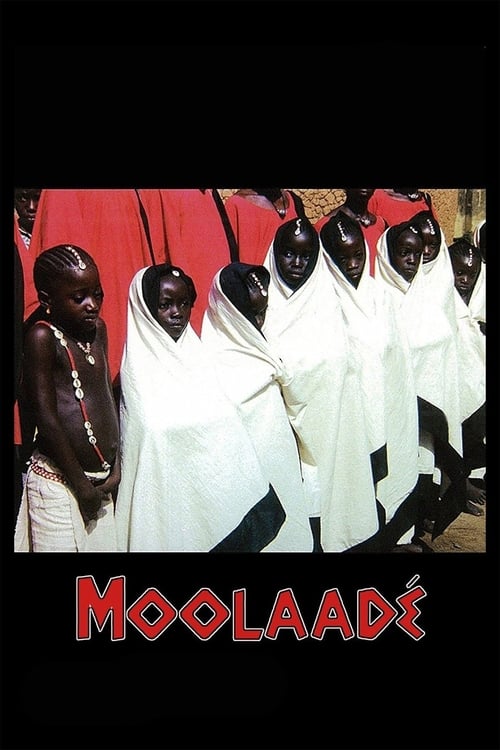
Moolaadé
2004
No user ratings available yet
Representation score: 5.0 out of 10
Representation Score
Good
1975
Director
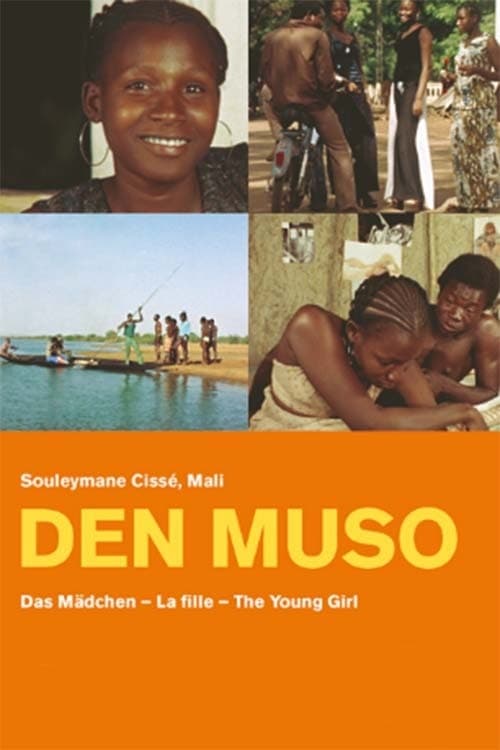
Souleymane Cissé
Runtime
88 minutes
Average Rating
No ratings yetNew Showbiz Analysis
Souleymane Cissé’s work is a powerful assertion of African ability to act, successfully reclaiming the narrative from colonial cinematic structures. By centering indigenous rhythms and Malian perspectives, the film provides a rare, authentic look at regional identity without relying on Western validation. The film excels in its nuanced portrayal of gendered systemic violence and the psychological depth of its protagonist. However, it lacks any representation of LGBTQ+ identities, remaining strictly within traditional communal structures. Additionally, the depiction of disability is tied to a heavy and tragic narrative arc.
Category Breakdown
The film does not include any LGBTQ+ characters or narratives. It focuses solely on traditional family and community structures.
The story centers around a young woman's role and internal life, highlighting the pressures she faces due to societal expectations. It explores the consequences of sexual violence and the systemic vulnerabilities women encounter.
This film features an entirely Black, Malian cast and narrative, presenting an authentic cultural landscape free from the Western perspective. It emphasizes regional identity and cultural authenticity.
The film highlights local Malian traditions and spiritual beliefs, avoiding Western models. It uses a post-colonial lens to critique power structures and communal expectations.
The protagonist's muteness is central to the film's narrative structure. This condition underscores her sensory experiences and her isolation within the community.
Present on Screen
Limited or Absent
Official Synopsis
A young mute woman is raped and becomes pregnant, with disastrous consequences within her family. The film also sketches the social/economic situation in urban Mali in the 1970s, particularly in relation to the treatment of women.
2004

1929
2014

1966

1970
1994
1973

2017
No reviews yet. Be the first to share your thoughts on this movie!
Use the rating form above to leave a star rating and optional review.