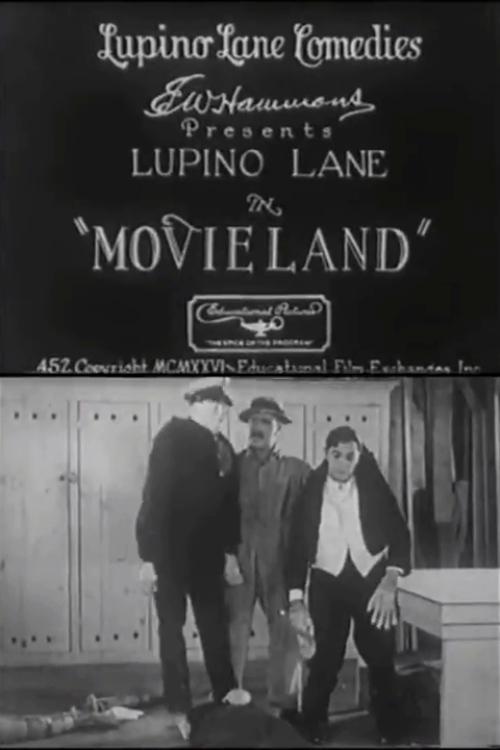
Movieland
1926
No user ratings available yet
Representation score: 0.9 out of 10

Representation Score
Limited
1927
PassedDirector
Marshall Neilan
Runtime
70 minutes
Average Rating
No ratings yetNew Showbiz Analysis
Her Wild Oat presents a protagonist who challenges traditional gender roles through her financial and intellectual independence. Despite operating within a narrow, homogeneous social framework, the film offers a refreshing perspective on women's ability to drive the story during the 1920s. However, it lacks modern diversity, focusing primarily on class-based humor and gender dynamics.
Category Breakdown
The film follows a traditional romantic trajectory. There is no evidence of non-straight-centered identities or same-sex intimacy.
Colleen Moore’s character stands out as an independent business owner who uses her savings to pursue romance, challenging traditional feminine roles. Her actions disrupt the passive stereotypes typically associated with women.
The film focuses on class mobility within a homogeneous social setting, with no evidence of a multi-ethnic or non-white cast.
The story employs mistaken identity to critique class rigidity, using comedy to deconstruct aristocratic superiority. However, the resolution of social tensions through romance limits the scope of the critique to class-based humor.
There is no documented evidence of characters with visible or invisible disabilities in this production.
Present on Screen
Limited or Absent
Official Synopsis
In this feature comedy, silent film star Colleen Moore plays a woman who owns a small lunch wagon and falls for a duke’s son, played by Larry Kent, who is pretending to be his own chauffeur. With her savings, she pursues him to a resort hotel, only to be mistaken for a duchess. Preserved by the Academy Film Archive in partnership with Národní filmový archív in 2007.
1926
1926
1921

1923
1937

1928
1926
1927
No reviews yet. Be the first to share your thoughts on this movie!
Use the rating form above to leave a star rating and optional review.