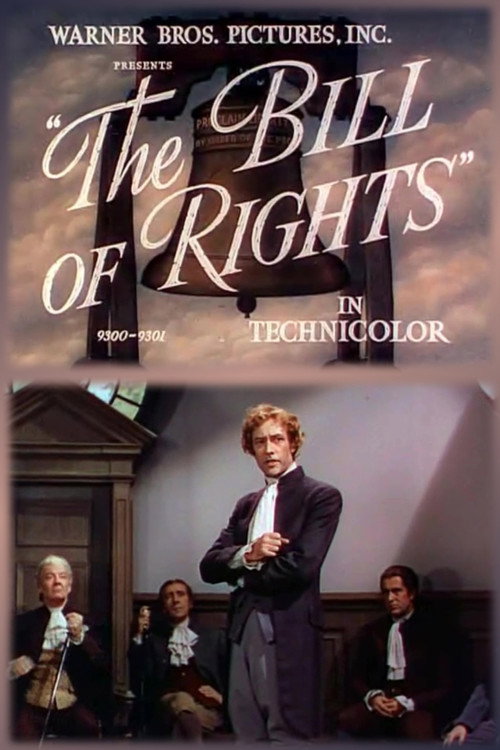
The Bill of Rights
1939
No user ratings available yet
Representation score: 1.3 out of 10
Representation Score
Minimal
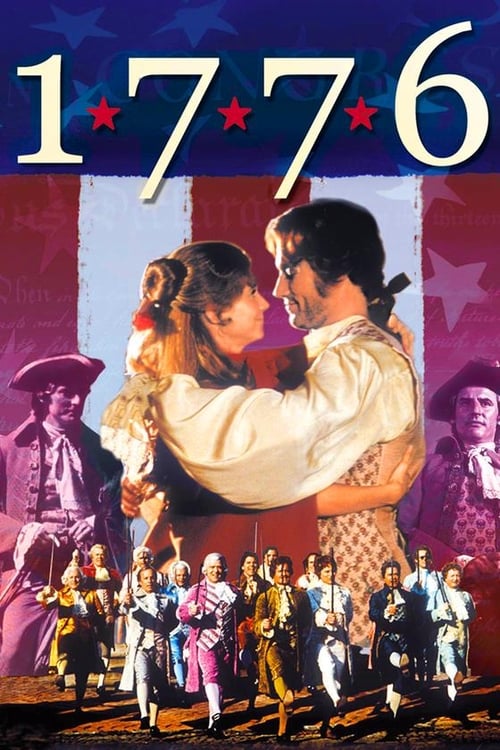
1972
GDirector
Peter H. Hunt
Runtime
141 minutes
Average Rating
No ratings yetNew Showbiz Analysis
1776 is a traditional historical musical that emphasizes the foundational narrative of American independence. Its approach to historical realism leads to a conservative stance on representation. The film's structure upholds the patriarchal and racial hierarchies of the 18th century. While it recognizes the era's inequities through specific characters, it does not challenge these social structures. Ultimately, the work celebrates the establishment of Western democratic institutions without deconstructing them through modern lenses of diversity.
Category Breakdown
The film follows the societal norms of the 18th century, where there are no depictions of non-traditional gender identities or same-sex relationships.
The film focuses on the intellectual achievements of the founding fathers, with men holding most of the power and decision-making roles. Women are largely absent from these key positions.
The cast is mainly Anglo-Saxon, but the film addresses racial tensions through characters like Phillis Wheatley, highlighting the systemic inequalities of the time.
The narrative celebrates Western democratic ideals and Enlightenment thinking. It presents a foundational story of national identity without critiquing Western institutions.
There is no representation of physical, sensory, or neurodivergent disabilities in the film. Disability is not used as a central theme or plot device.
Present on Screen
Limited or Absent
Official Synopsis
Colonial representatives gather in Philadelphia with the aim of establishing a set of governmental rules for the burgeoning United States. Benjamin Franklin and John Adams charge Thomas Jefferson with the task of writing a statement announcing the new country's emancipation from British rule.
1939
1983
1936
1970
1939

1939
2021
2005
No reviews yet. Be the first to share your thoughts on this movie!
Use the rating form above to leave a star rating and optional review.