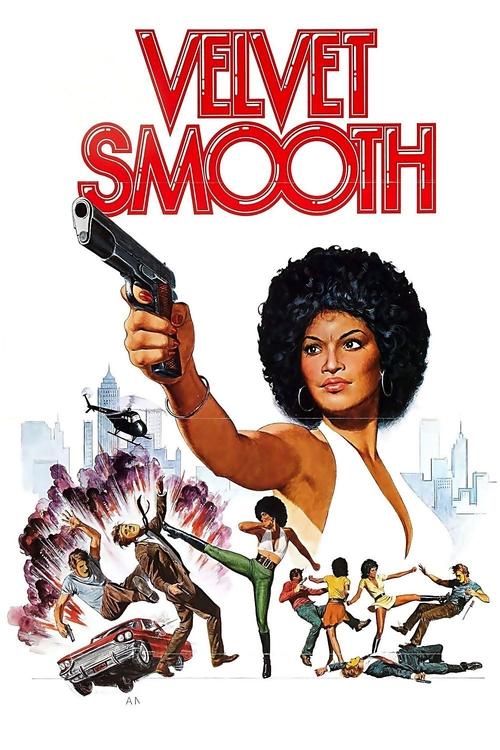
Velvet Smooth
1976
No user ratings available yet
Representation score: 0.6 out of 10
Representation Score
Limited
1968
NRDirector
Sheldon Reynolds
Runtime
102 minutes
Average Rating
No ratings yetNew Showbiz Analysis
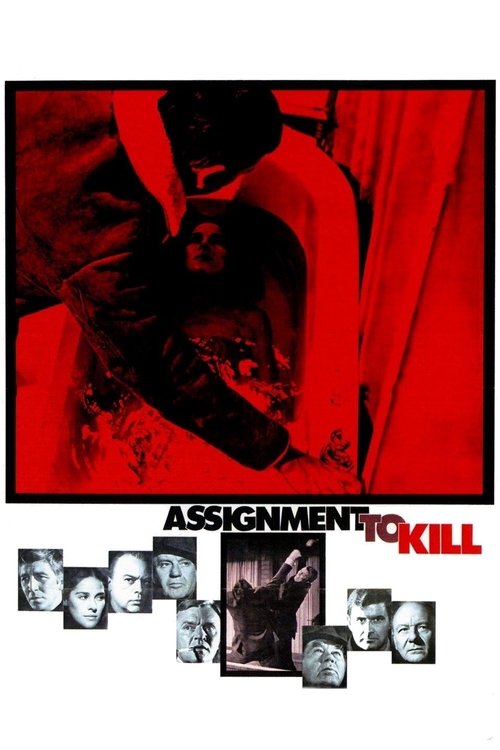
Assignment to Kill stands as a significant historical artifact that disrupts conventional Western investigative clichés. By centering African protagonists and their struggle against colonial power, the film provides a rare level of ability to act for characters of color in 1968 cinema. While the film excels in racial and cultural representation, it remains limited in its gender dynamics. The focus on male-dominated liberation movements results in a lack of female characters with meaningful influence or subversion of gender hierarchies. Ultimately, the film's strength lies in its systemic critique of Western hegemony. It uses its setting to challenge socioeconomic hierarchies and presents revolutionary struggle as a tool for liberation rather than mere criminality.
Category Breakdown
The film does not include any identifiable LGBTQ+ characters or narratives. The story focuses solely on geopolitical and revolutionary themes.
The narrative centers on male political leaders and combatants. While it avoids traditional domestic clichés, it lacks female characters with significant influence.
This film features an exceptional all-Black cast that centers African perspectives. It successfully reclaims the narrative from a colonial viewpoint by prioritizing characters of color.
The story deconstructs Western institutional authority and colonial administration. It frames anti-colonialism as a central theme, challenging the morality of established European power structures.
There is no evidence regarding the portrayal of physical or neurodivergent disabilities within the film.
Present on Screen
Limited or Absent
Official Synopsis
A private eye is hired by an insurance company to investigate a shipping magnate suspected of deliberately sinking his own ships for the insurance money. He finds himself involved in a web of deception, double-crossing and murder.
1976
1946
1966
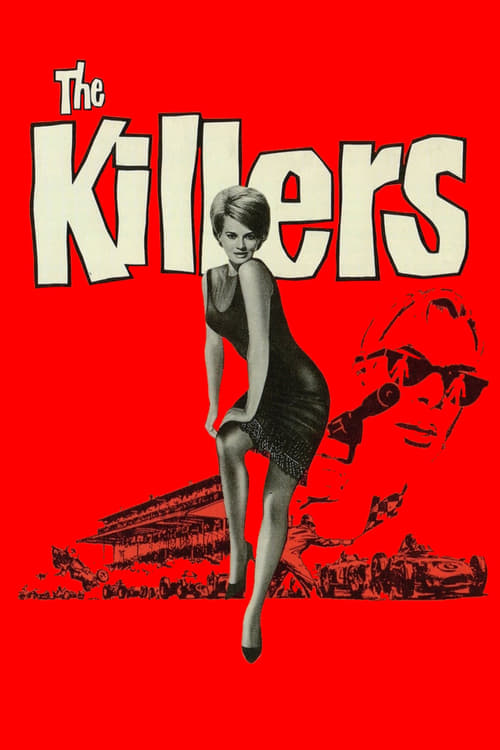
1964
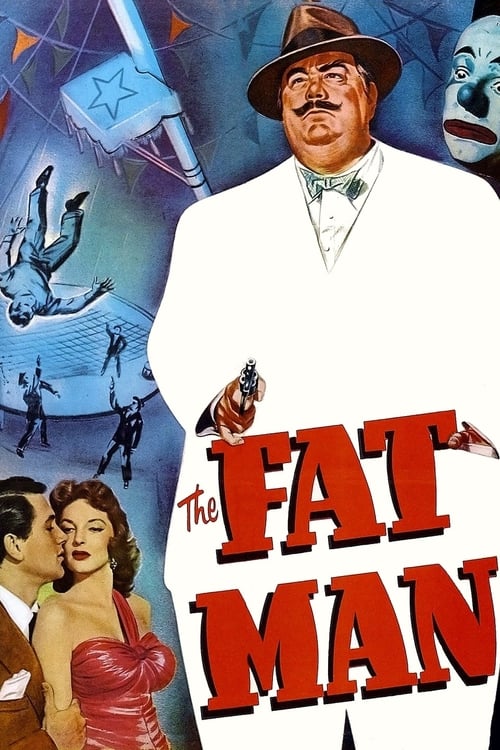
1951
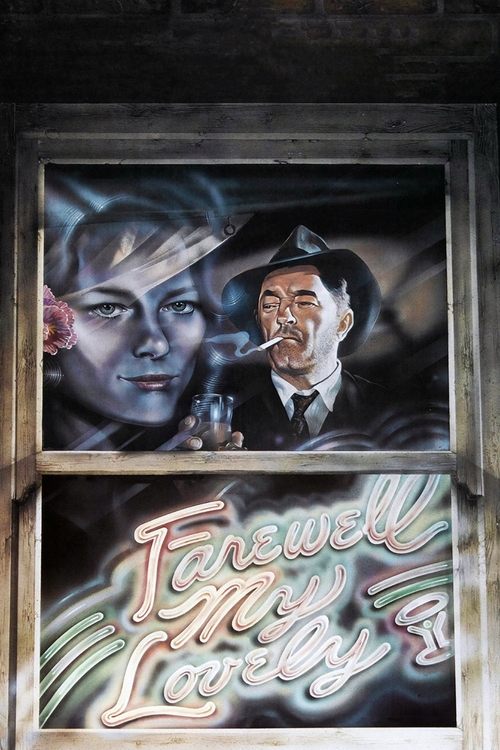
1975
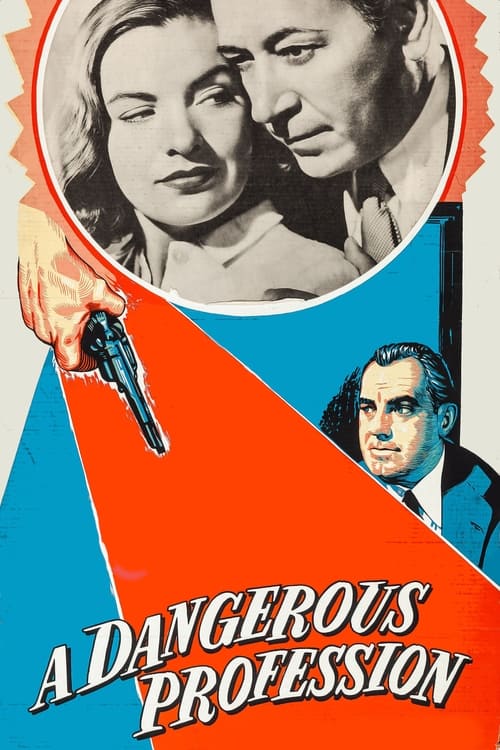
1949
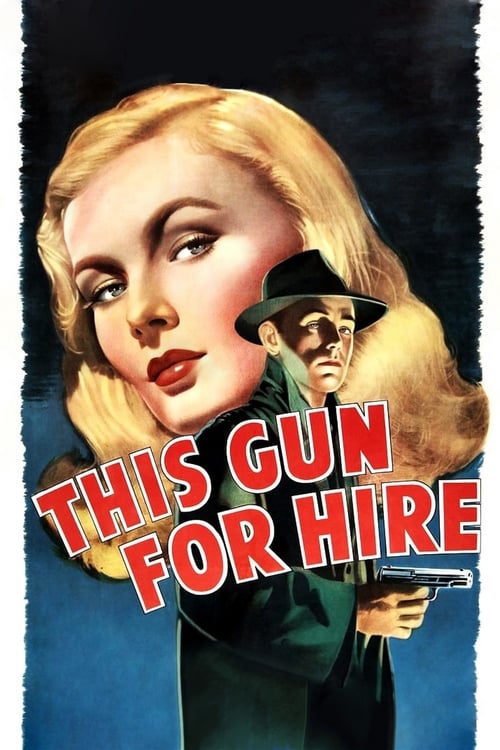
1942
No reviews yet. Be the first to share your thoughts on this movie!
Use the rating form above to leave a star rating and optional review.