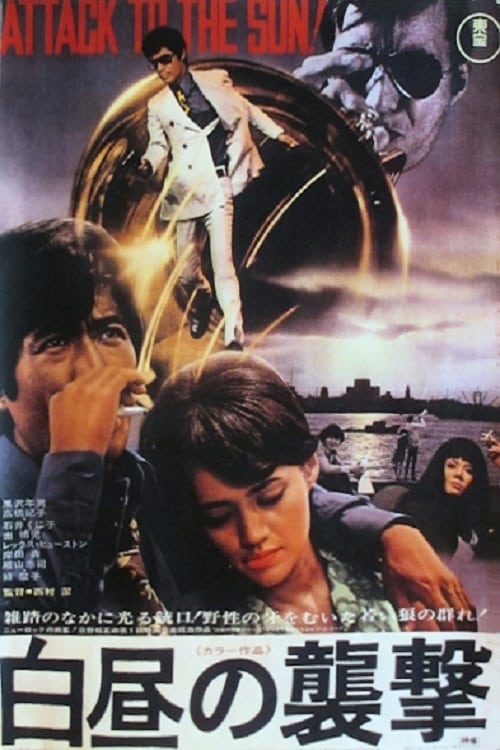
Attack at Daylight
1970
No user ratings available yet
Representation score: 1.8 out of 10
Representation Score
Minimal
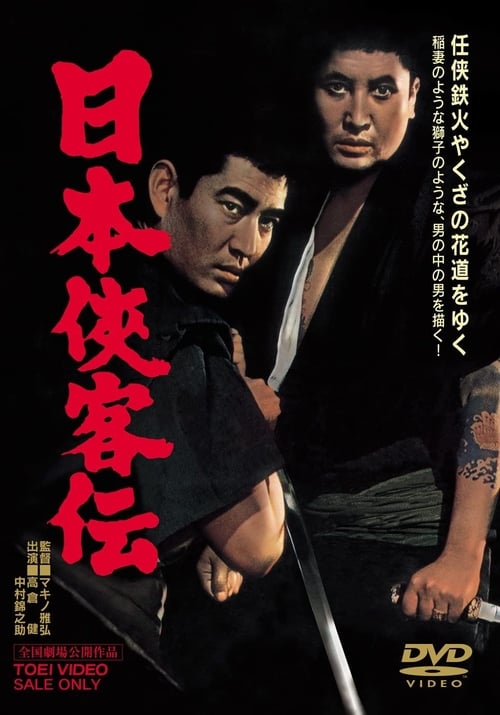
1964
Director
Masahiro Makino
Runtime
99 minutes
Average Rating
No ratings yetNew Showbiz Analysis
The film adheres to traditional genre conventions of its time, functioning within the social and cinematic hierarchies of 1960s Japan. It emphasizes conventional power dynamics and does not disrupt identity-based clichés. The narrative structure revolves around the codes of honor found in traditional Japanese crime cinema, reinforcing rather than challenging these structures. Ultimately, the film reflects the historical and geographic realities of 1964 Japan without engaging with modern perspectives on identity.
Category Breakdown
The film does not include any queer narratives or non-binary gender identities. It follows the strict, straight-centered social structures typical of 1960s Japanese crime cinema.
The story focuses on a patriarchal power struggle between rival delivery companies. Male characters play a significant role in driving the story, while women play supporting roles.
The cast is ethnically uniform, reflecting the film's specific Japanese setting. It does not aim to challenge ethnic norms or include diverse racial perspectives.
The narrative upholds traditional Japanese ideas of honor and duty within organized crime hierarchies. It operates within established social structures without critique.
Illness serves as a plot device to create a power vacuum. There is no character-driven exploration of disability or characters with visible disabilities.
Present on Screen
Limited or Absent
Official Synopsis
The feud between two rival delivery companies, Kibamasa and Okiyama, heats up as the head of Kibamasa falls ill.
1970
1974
1964
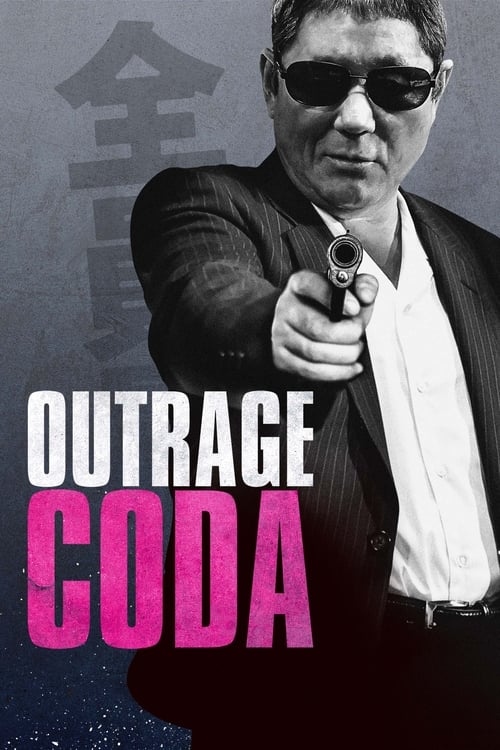
2017

2012

1972
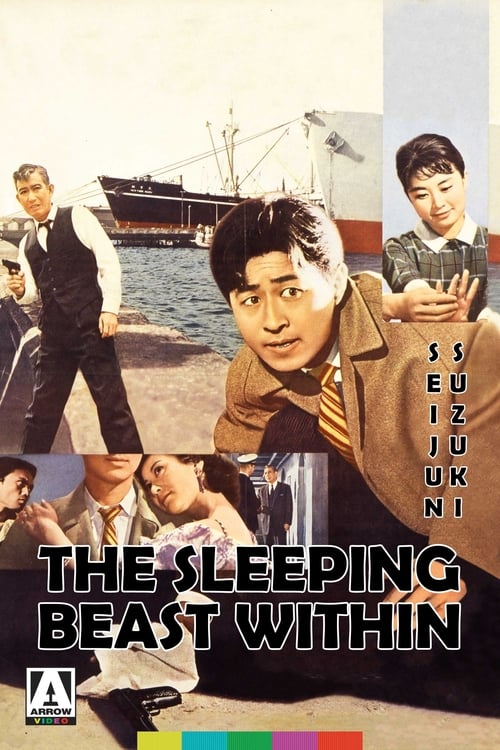
1960
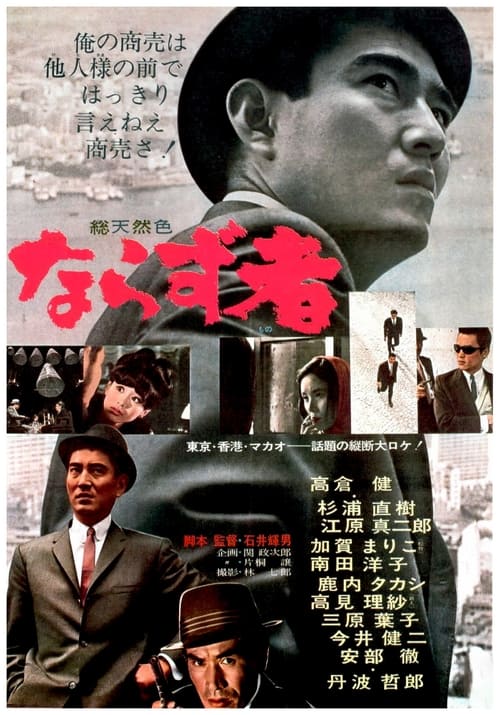
1964
No reviews yet. Be the first to share your thoughts on this movie!
Use the rating form above to leave a star rating and optional review.