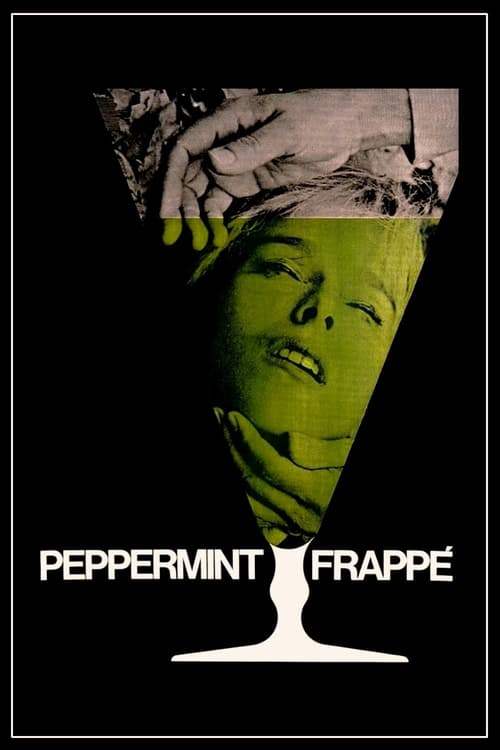
Peppermint Frappé
1967
No user ratings available yet
Representation score: 6.2 out of 10
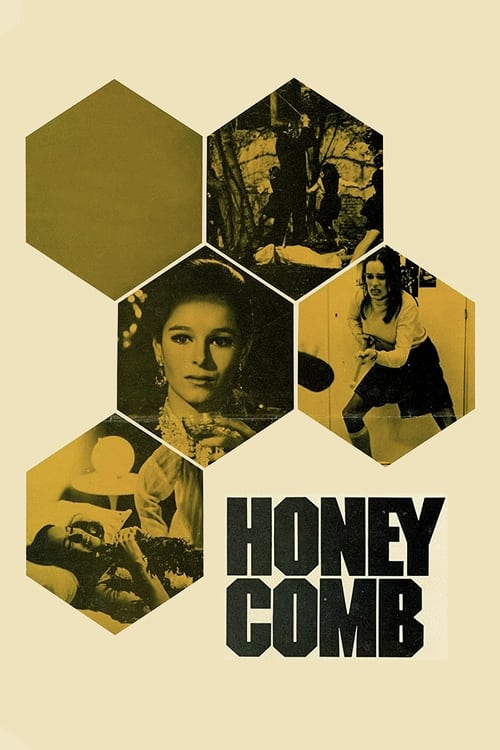
Representation Score
Good
1969
PGDirector
Carlos Saura
Runtime
102 minutes
Average Rating
No ratings yetNew Showbiz Analysis
Carlos Saura’s *Honeycomb* is a sophisticated critique of the repressive social landscape of late 1960s Spain. Utilizing domestic spaces and psychological fragmentation, the film challenges the stifling nature of traditional institutions. By focusing on subjective psychological realism, Saura bypasses censorship to question the sanctity of the family and the stability of the status quo. Despite limited demographic diversity due to its historical context, the film provides a profound intellectual critique of systemic social control and adolescent trauma.
Category Breakdown
The film doesn't explicitly include LGBTQ+ identities or non-cisgender character arcs. However, it explores repressed desires and emerging sexuality through general social norms rather than specific queer identities.
The film centers on Teresa's psychological struggle, shifting the narrative focus towards her experience of trauma. This challenges traditional gender hierarchies by emphasizing the female perspective.
The cast includes individuals of Spanish and European descent. The film focuses on the social repression experienced in Spain during the late 1960s, rather than presenting a diverse multi-ethnic narrative.
The film uses allegory to critique traditional Western institutions and social structures. It portrays the family unit and social order as oppressive, prioritizing personal memory over established religious or state morality.
The narrative explores the protagonist's psychological trauma through flashbacks, highlighting her mental health struggles. Her psychological fragmentation is a central plot driver, rather than just a device.
Present on Screen
Limited or Absent
Official Synopsis
Teresa and Peter settle down in their new home after the wedding. Things are going well until her childhood furniture arrives, sending Teresa into horrible flashbacks of turmoil from memories of her youth.
1967
1983
1966
1976

1974

1974
1978
1974
No reviews yet. Be the first to share your thoughts on this movie!
Use the rating form above to leave a star rating and optional review.