
The Lady and the Monster
1944
No user ratings available yet
Representation score: 2.5 out of 10

Representation Score
Minimal
1953
ApprovedDirector
Felix E. Feist
Runtime
83 minutes
Average Rating
No ratings yetNew Showbiz Analysis
Donovan's Brain is a quintessential product of mid-century genre cinema, prioritizing established social hierarchies and traditional scientific authority. The narrative structure relies on standard clichés that reflect the era's conventional expectations rather than challenging them. The film lacks complexity in its portrayal of diverse identities, presenting a homogeneous cast and a strictly straight-centered social environment. Intellectual ability to act is almost exclusively reserved for male protagonists, reinforcing mid-century gendered power dynamics. While the plot utilizes a biological anomaly, it treats the concept as a source of horror rather than an exploration of neurodivergence or disability.
Category Breakdown
The film does not include any LGBTQ+ characters or non-cisgender identities. It adheres strictly to the assumption that everyone is straight or cisgender, reflecting the social constraints of the 1950s.
Narrative ability to act and intellectual authority are concentrated in male characters. The story focuses on masculine struggles with control through a Jekyll and Hyde paradigm.
The cast is homogeneous, predominantly white, and Anglo-Saxon. There is no evidence of non-white ability to act or racial blending within the setting.
The film operates within a conventional Western framework regarding scientific ethics. It lacks anti-Western critiques or significant explorations of moral relativism.
The central biological anomaly serves as a sci-fi horror device rather than a nuanced portrayal of disability. It lacks representation of disability as a lived experience.
Present on Screen
Limited or Absent
Official Synopsis
A scientist takes the brain of dead man and revives it via electrodes as it lays suspended in a tank of liquid. Soon, the brain grows to possess enormous psychic powers and inflicts its personality upon the doctor who saved it, creating a "Jekyll and Hyde" paradigm.
1944
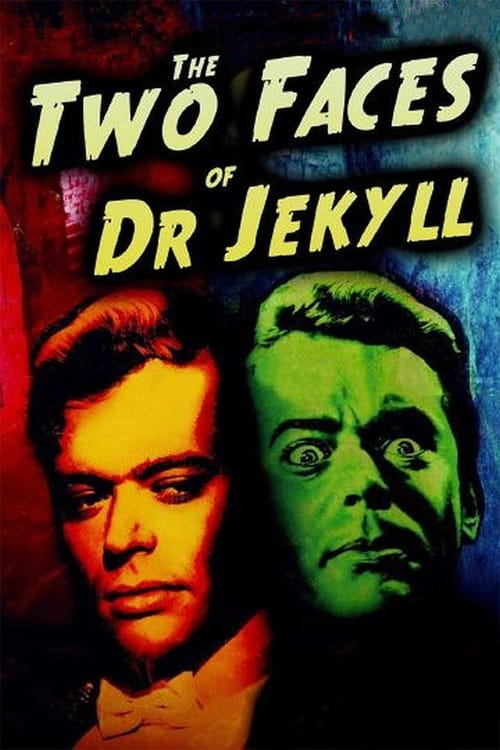
1960
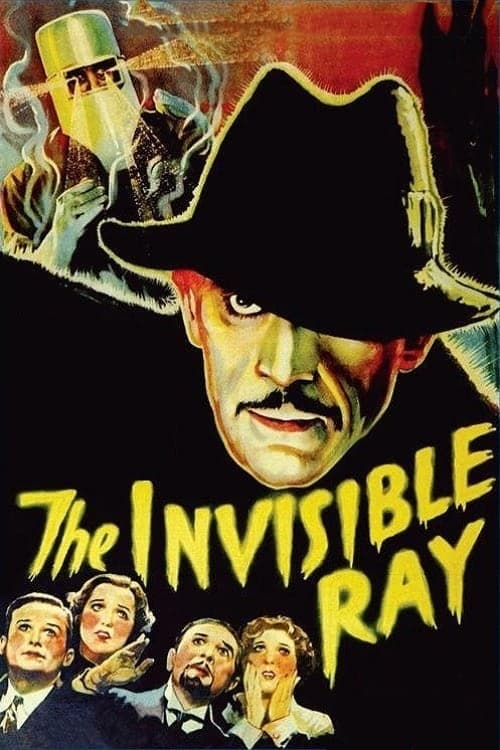
1936

1958
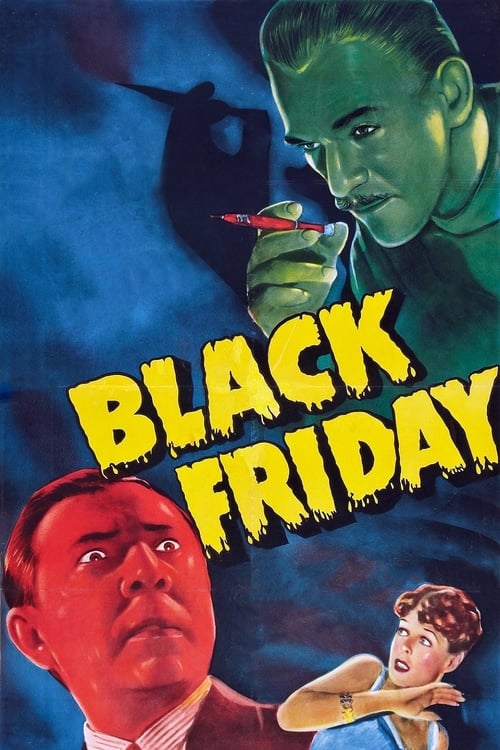
1940
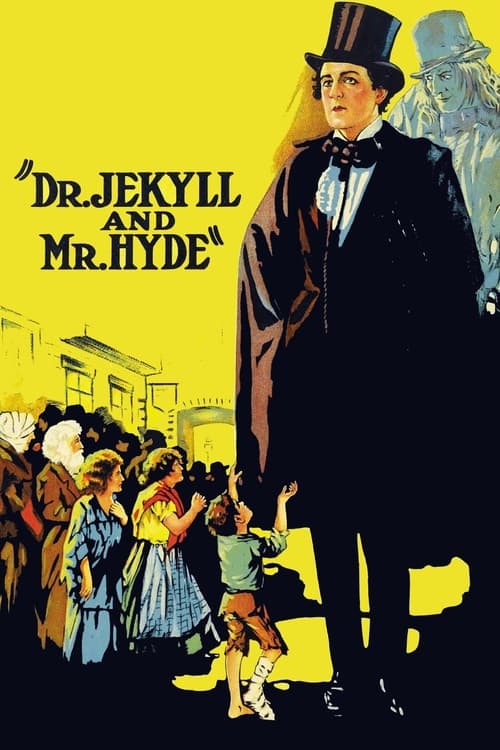
1920
1958
1933
No reviews yet. Be the first to share your thoughts on this movie!
Use the rating form above to leave a star rating and optional review.