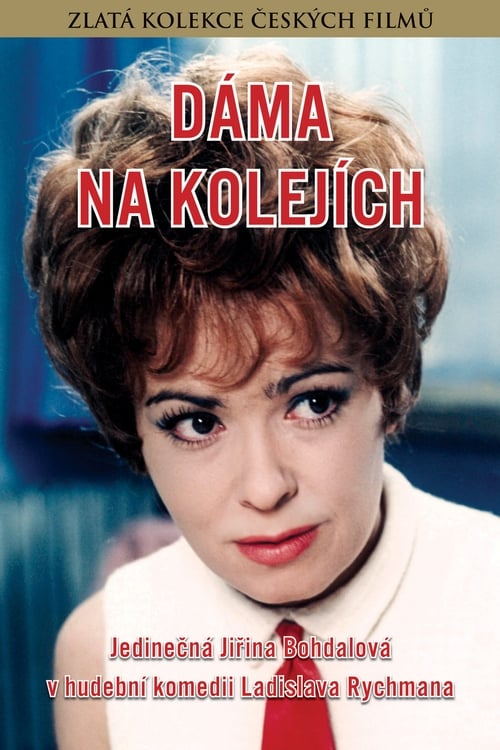
Lady on the Tracks
1966
No user ratings available yet
Representation score: 4.0 out of 10

Representation Score
Fair
1991
Director
Jaroslav Soukup
Runtime
80 minutes
Average Rating
No ratings yetNew Showbiz Analysis
Discopříběh 2 operates as a traditional character-driven comedy focusing on a mid-life crisis. While it slightly subverts generational roles between father and son, it lacks complexity in addressing multiple aspects of identity. The narrative heavily relies on conventional social structures and heterosexual romantic pursuits. The film's resolution tends towards a harmonious, traditional conclusion rather than a critical examination of societal norms. Ultimately, the work lacks diverse casting and fails to provide significant influence to its female characters or nuanced depictions of health-related vulnerabilities.
Category Breakdown
The film centers on traditional heterosexual relationships. It includes romantic conflicts involving the father's pursuit of a stripper and a nurse, with no indication of queer identities.
Female characters such as Ala and Lucie are portrayed through the male protagonist's romantic interests. Despite some role reversals between father and son, women have limited influence over the story.
The cast appears ethnically uniform within its Czechoslovakian context. There is no indication of non-white actors or diverse ethnic representation.
The story examines the breakdown of traditional family structures through generational role reversals. However, the resolution leans towards a return to conventional social harmony.
A medical crisis involving lymphoma serves as a plot catalyst. The illness drives the protagonist's actions but lacks a detailed exploration of chronic illness management.
Present on Screen
Limited or Absent
Official Synopsis
The fate of father and son Horáček, but this time they switched roles. Jirka has married, settled down and grown up, while his father is in trouble because he has "second lymphoma" and, feeling that he is missing the last train, he starts a relationship with a stripper, Ala, dyes his hair, but mostly he likes a pretty and kind nurse, Lucie. Although he behaves in such a way that it seems to others as if he has lost his mind, everything turns out well, of course.
1966
1996
1955
2011
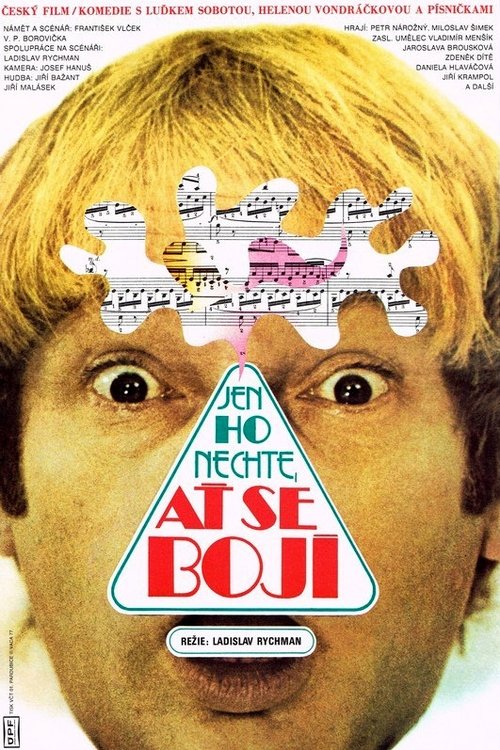
1978
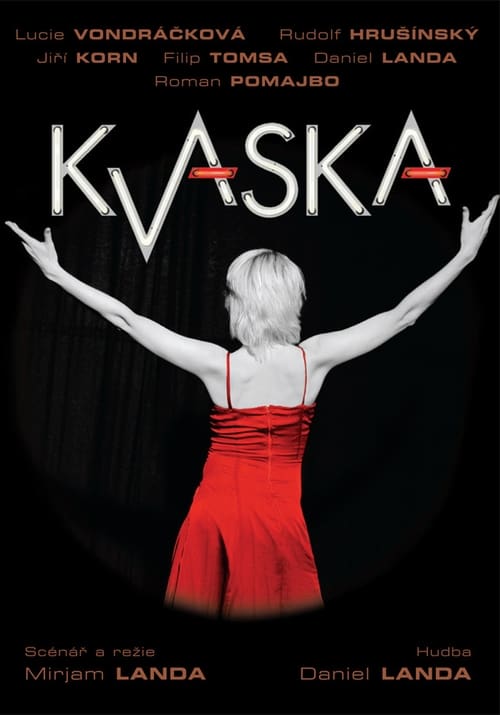
2007
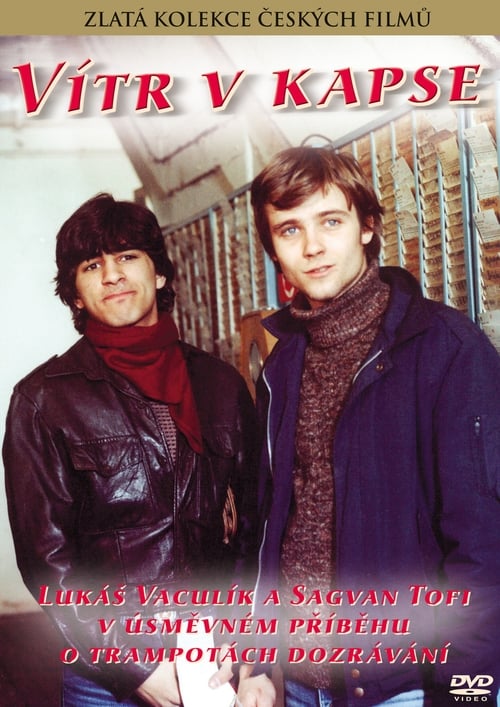
1983
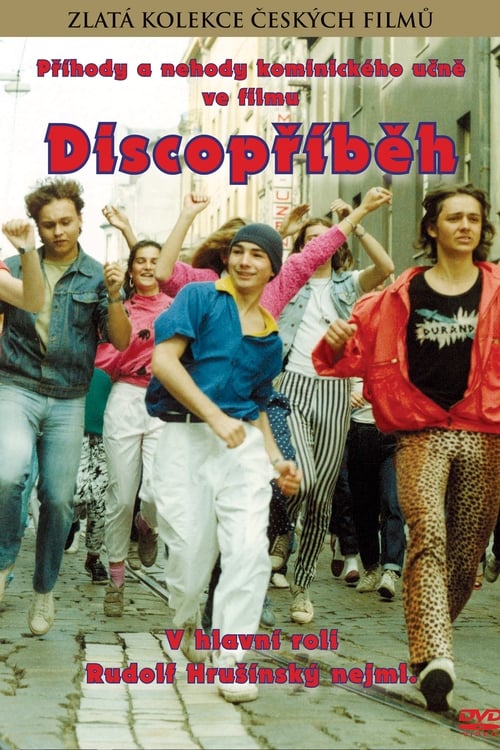
1987
No reviews yet. Be the first to share your thoughts on this movie!
Use the rating form above to leave a star rating and optional review.