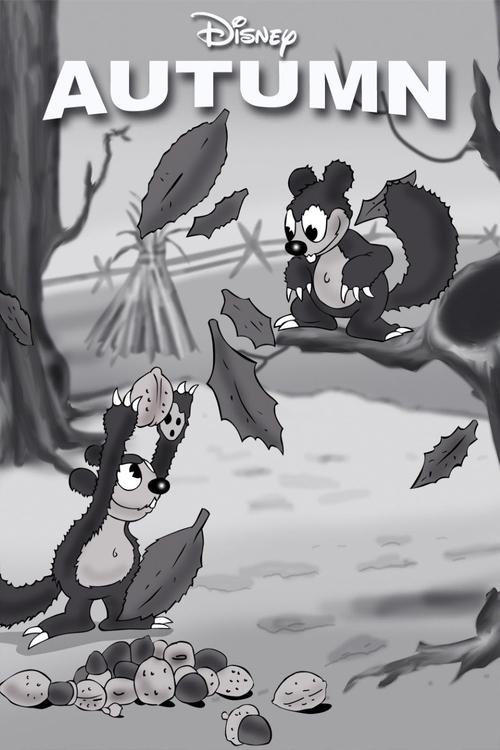
Autumn
1930
No user ratings available yet
Representation score: 0.3 out of 10
Representation Score
Minimal
1930
NRDirector
Ub Iwerks
Runtime
6 minutes
Average Rating
No ratings yetNew Showbiz Analysis
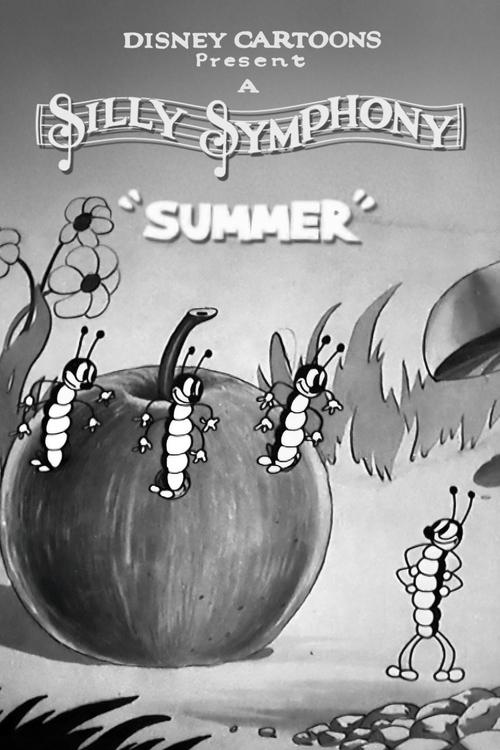
Ub Iwerks' *Summer* primarily serves as a technical demonstration of early animation, emphasizing rhythmic movement and musicality. The film centers on the biological observations of insects during seasonal activities, avoiding any engagement with human identity, race, or gendered social structures. Reflecting the era's preference for whimsical, observational content, the film does not challenge traditional social norms or explore diverse identities, resulting in a low diversity score.
Category Breakdown
The film focuses on insect life cycles and seasonal activities. There is no evidence of non-assuming gender matches what was assigned at birth gender identities or depictions of same-sex intimacy.
Anthropomorphized insects drive the rhythmic sequences. The film lacks subversion of traditional gender hierarchies or complex characterizations of leadership.
The cast consists entirely of non-human insectoid characters. There is no evidence of intentional racial blending or the subversion of casting norms.
The narrative operates within a naturalistic, seasonal framework. It does not engage with political, religious, or institutional critiques.
The film does not feature characters with visible or invisible disabilities. Disability is not used as a narrative device.
Present on Screen
Limited or Absent
Official Synopsis
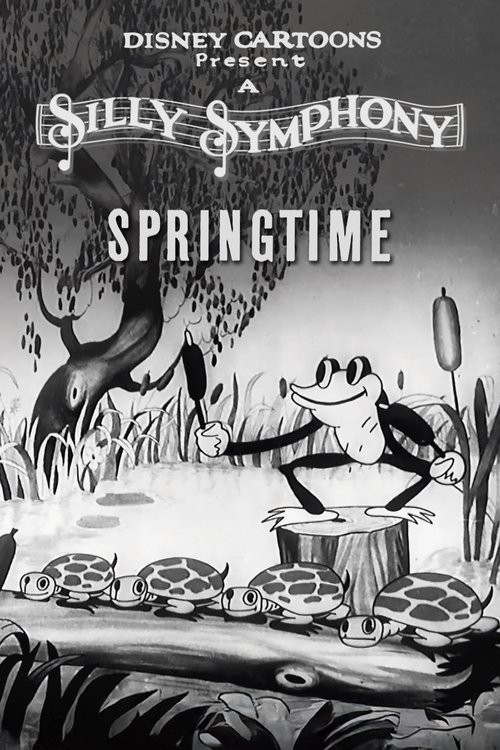
In the logical sequel to Springtime, a new set of insects (mostly) dances to a new set of tunes, while doing summer activities. The insects include dung beetles, dragonflies, butterflies, a walking stick, bees, and various other beetles and flies.
1930
1929
1934
1932
1952
1944
1930

1932
No reviews yet. Be the first to share your thoughts on this movie!
Use the rating form above to leave a star rating and optional review.