Pluto and the Gopher
1950
No user ratings available yet
Diversity score: 1.3 out of 10
1929
NRDirector
Ub Iwerks
Runtime
6 minutes
Average Rating
No ratings yetSynopsis
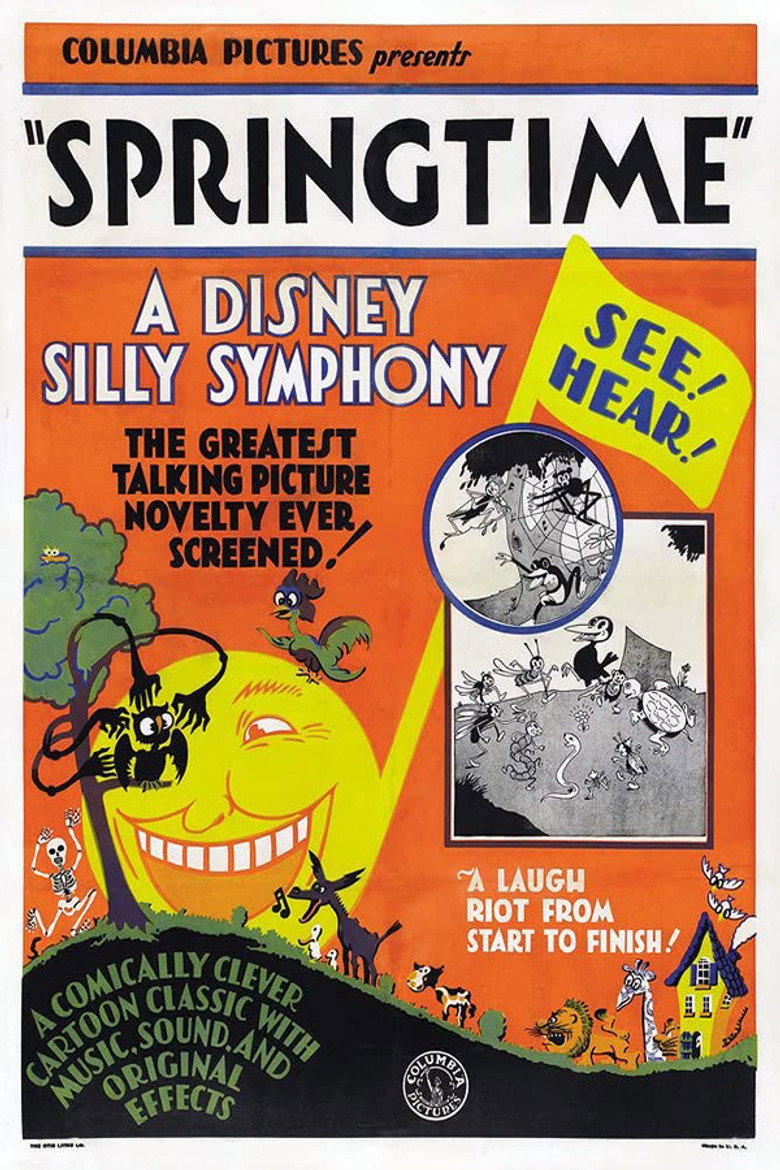
Flowers, insects, and a crow family all dance to a jaunty tune celebrating spring. After a brief storm, grasshoppers, frogs, and spiders cavort to the Dance of the Hours.
Overall Score
Minimal
Category Breakdown
LGBTQ+ Representation
The film focuses on anthropomorphic nature elements like insects and a crow family. There are no depictions of non-cisnormative identities or same-sex intimacy.
Gender Representation
Gender roles are largely absent or relegated to decorative archetypes. The nature-centric presentation does not actively challenge or reinforce traditional hierarchies.
Racial & Ethnic Diversity
The cast consists entirely of non-human species, making human racial diversity inapplicable. The pastoral Western landscape lacks intersectional complexity.
Religious & Cultural Diversity
The narrative promotes a traditional, harmonious view of the natural world. It functions as standard entertainment rather than an ideological critique.
Disability Representation
The sequence focuses on celebratory movement and dancing. There is no indication of characters possessing visible or invisible disabilities.
Strengths
Areas for Improvement
AI Analysis
Ub Iwerks' 1929 short is a technical milestone in animation history that prioritizes seasonal celebration over social commentary. The narrative centers on the rhythmic movement of flowers, insects, and animals celebrating the arrival of spring. Because the characters are non-human, the film avoids human sociological frameworks like race, gender, or sexual orientation. It operates within a traditionalist, naturalistic setting that lacks the complexity required for modern diversity metrics. Ultimately, the work serves as a foundational piece of aesthetic joy. It does not engage with identity-based frameworks or attempt to disrupt established social hierarchies.
1950
1941
1947
1940
1939
1962
1995
1934
1935
No reviews yet. Be the first to share your thoughts on this movie!
Use the rating form above to leave a star rating and optional review.