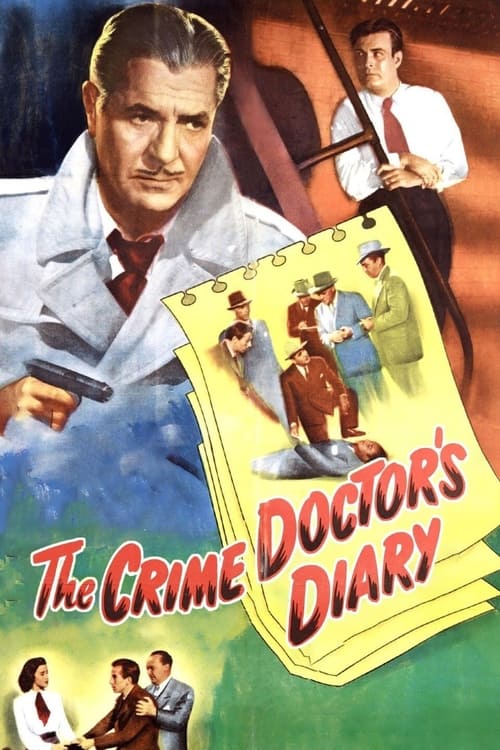
The Crime Doctor's Diary
1949
No user ratings available yet
Representation score: 3.0 out of 10
Representation Score
Minimal
1974
XDirector
Carl Stanfill
Runtime
74 minutes
Average Rating
No ratings yetNew Showbiz Analysis
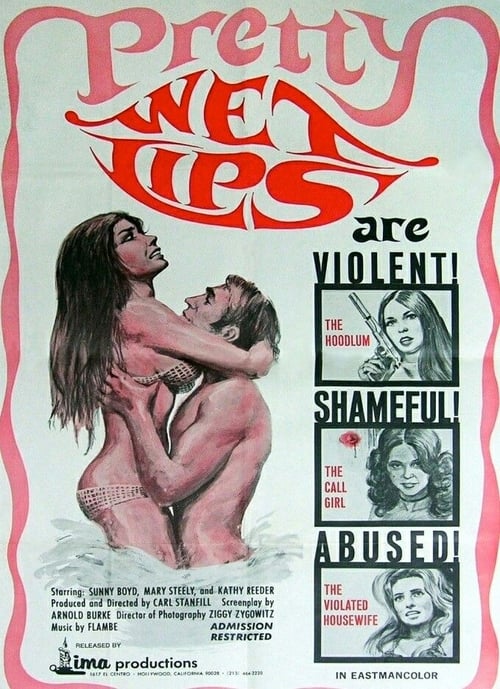
Pretty Wet Lips is a crime film that utilizes a non-linear, flashback-driven structure to explore the psychological intersection of criminality and victimhood. The narrative relies on psychiatrists interviewing subjects to examine how they arrived at their current circumstances. Because the film's character identities and casting details are not specified, the work lacks verifiable representation of multiple aspects of identity. The focus remains strictly on the clinical and psychological framework of the investigation. The low diversity score is primarily due to the absence of identifiable demographic data. The only elevation comes from a structural potential for moral relativism through its psychological lens.
Category Breakdown
The film does not include any characters who identify as LGBTQ+, nor does it feature any individuals whose gender does not match their assigned-at-birth status. There is no narrative addressing the assumption that everyone is straight or cisgender.
The story centers around clinical interviews between psychiatrists and subjects. There is no information about the gender of these participants or their roles within the narrative hierarchy.
The overview lacks details on the racial or ethnic backgrounds of the cast. There is no indication of diverse casting or non-white characters driving the story.
The film's structure suggests moral complexity by placing criminals and victims in a shared space. This approach potentially deconstructs traditional binary clichés of good versus evil.
While the setting involves psychiatry, there is no explicit evidence that mental health or physical disabilities are portrayed with ability to act or as central character traits.
Present on Screen
Limited or Absent
Official Synopsis
Psychiatrists interview criminals and victims together to see how they got where they are in space and time. Their stories are told in flashbacks.
1949

1939
1959

1984
2006
1970
1956
1949
No reviews yet. Be the first to share your thoughts on this movie!
Use the rating form above to leave a star rating and optional review.