
Inheritance
2006
No user ratings available yet
Representation score: 6.2 out of 10
Representation Score
Fair
1963
Director
Tadeusz Jaworski
Runtime
27 minutes
Average Rating
No ratings yetNew Showbiz Analysis
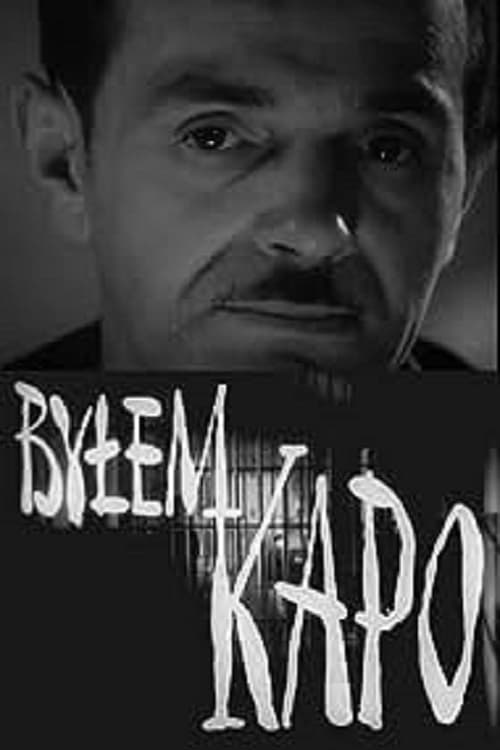
I Was a Kapo is a somber, documentary-style exploration of moral erosion within the Auschwitz concentration camp. By focusing on a singular monologue, the film avoids simplistic hero/villain binaries to delve into how totalitarian systems erode human ability to act. The work excels in its cultural critique, offering a nuanced look at varied ethnic identities rather than presenting a monolithic victim group. However, the film lacks representation in modern multi-layered categories, such as LGBTQ+ narratives, and provides minimal ability to act for female characters or those with specific physical or neurodivergent identities.
Category Breakdown
The film does not include any LGBTQ+ characters or narratives, focusing solely on the survival and moral dilemmas within the camp.
The narrative focuses on a male perspective, with limited opportunities for female characters to take charge of their own stories. Gender dynamics are overshadowed by the brutal environment of the camp.
The film portrays the complex interactions between Polish and Jewish prisoners during the Holocaust, avoiding a uniform depiction of victims.
The film critically examines totalitarian authority and institutional corruption, showing how systemic oppression leads to tragic ethical decisions.
The film addresses the physical and mental deterioration caused by extreme conditions but primarily illustrates societal collapse rather than giving voice to disabled identities.
Present on Screen
Limited or Absent
Official Synopsis
A former inmate of the Auschwitz concentration camp, accused of being a kapo, is serving a life sentence. From the monologue to the camera, we learn the story of an average man destroyed in terrible times.
2006
1998
2001
1985
2006

2018

2000
1967
No reviews yet. Be the first to share your thoughts on this movie!
Use the rating form above to leave a star rating and optional review.